
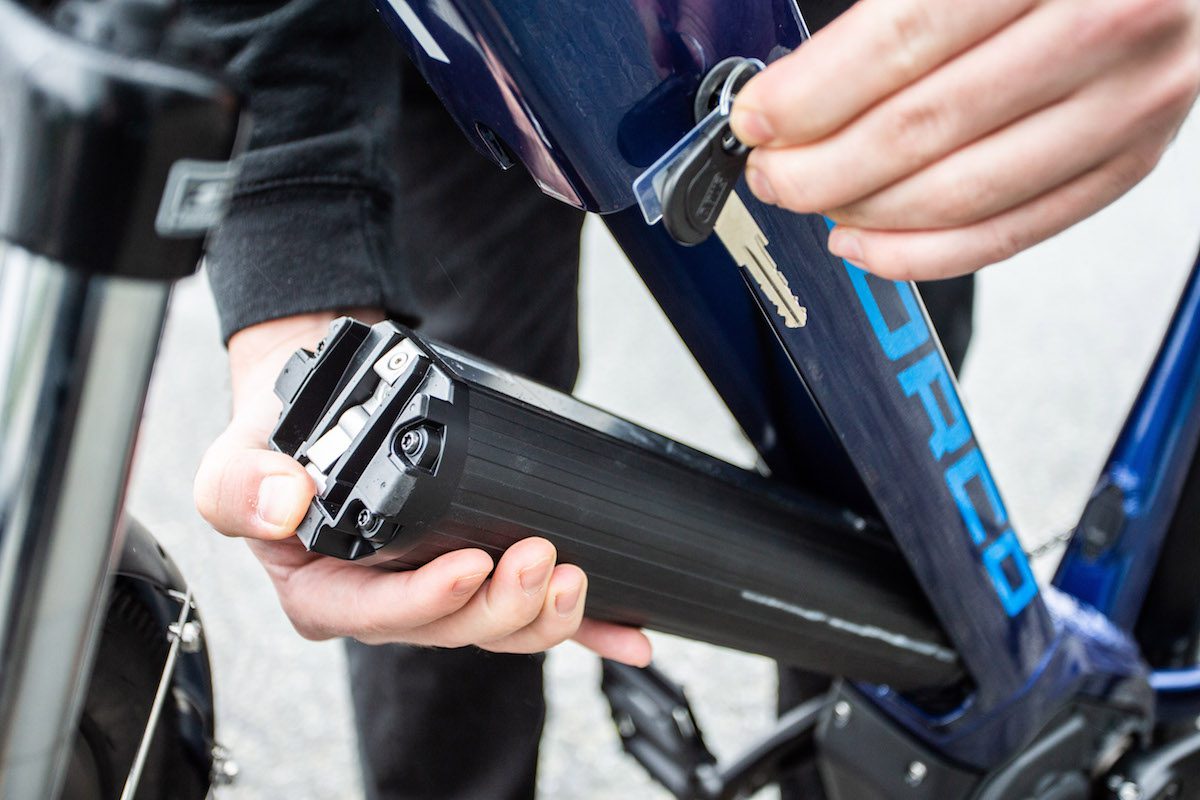
Battery Blunders: 7 Common E-Bike Charging Mistakes New Riders Should Avoid
E-bikes are popular, convenient, and eco-friendly, but their batteries need special care to stay reliable. Many new riders unintentionally shorten their e-bike battery life with common charging mistakes. In this guide, we’ll look at key e-bike battery charging mistakes to avoid, as well as practical tips for better battery care.
1. Overcharging the E-Bike Battery
One of the most common e-bike battery charging mistakes is overcharging. While it might seem harmless to leave your e-bike plugged in overnight, prolonged overcharging can lead to overheating, battery degradation, and reduced lifespan. Most e-bikes today come with smart chargers that stop charging once the battery is full. However, not all chargers are created equal, and it’s still good practice to avoid leaving the battery plugged in for extended periods.
Best Practice: Set a timer when charging your e-bike or unplug it once it’s fully charged. If you need to charge overnight, consider using a smart plug with a timer to prevent overcharging.
2. Letting the Battery Drain Fully
Many new riders believe that letting an e-bike battery drain fully before recharging will somehow improve battery performance. This is a myth. Lithium-ion batteries, which are used in most e-bikes, are designed to perform best when they are partially charged. Letting the battery drain fully too often can cause deep discharge, which stresses the battery and can lead to a shorter lifespan.
Best Practice: Aim to charge your e-bike battery when it’s around 20-30% rather than letting it drain to 0%. Partial charging is healthier for lithium-ion batteries and can help extend e-bike battery life.
3. Using the Wrong E-Bike Charger
Using a non-compatible charger, even if it “fits,” can damage your e-bike battery and, in some cases, pose safety risks. Chargers are specifically designed for different e-bike models, so using the wrong e-bike charger can result in issues like overheating, inconsistent charging, and reduced battery efficiency.
Best Practice: Always use the charger provided by the manufacturer, or a compatible charger specifically recommended for your e-bike model. If you need a replacement, contact the manufacturer to avoid the risks associated with off-brand chargers.
4. Charging in Extreme Temperatures
Charging an e-bike battery in extreme temperatures—whether too hot or too cold—can have a negative impact on battery health. Lithium-ion batteries are sensitive to temperature, and charging in high heat or freezing conditions can reduce the battery’s ability to hold a charge over time.
Best Practice: Keep your e-bike battery at room temperature when charging. Avoid charging outside in direct sunlight or during extremely cold weather. If you need to store your battery, keep it in a dry, moderate environment, ideally around 50% charge.
5. Storing the Battery Incorrectly
Proper storage is essential to extend e-bike battery life, especially if you’re not using your e-bike for an extended period. Many riders store batteries fully charged or completely drained, which can harm the battery over time.
Best Practice: For long-term storage, aim to keep your battery at around 50-60% charge and store it in a cool, dry place. Check on the battery every few months, and top it up to maintain a partial charge if needed.
6. Charging Too Often
While it’s crucial not to let the battery drain fully, charging it too often can also be detrimental. Some riders top off their battery constantly, but frequent charging when unnecessary can lead to gradual wear on the battery cells.
Best Practice: Charge your e-bike battery only when needed, ideally when it’s between 20-80% for optimal health. Following this guideline can help reduce unnecessary wear on the battery and improve its long-term performance.
7. Ignoring Signs of Battery Wear
If you notice signs like reduced range, overheating, or unusual charging times, it could be a sign that your e-bike battery needs attention. Ignoring these symptoms may lead to further battery issues or even safety hazards if the battery starts to degrade too quickly.
Best Practice: Monitor the performance of your battery regularly, especially if it’s older. If you notice any changes in charging times, overheating, or reduced capacity, it might be time to have the battery inspected by a professional.
E-bike batteries are one of the most crucial components of your bike, so keeping them in good shape is essential. By following these e-bike battery care tips—avoiding overcharging, not letting the battery drain fully, using the right charger, and storing it correctly—you can extend your battery’s life and get more reliable performance on the road.
A little preventive care goes a long way in maximizing the lifespan of your e-bike battery and keeping your rides smooth and worry-free.
Got more questions about e-bike battery care? Share them in the comments below! For more tips on maximizing your e-bike’s lifespan, don’t forget to subscribe to our blog and stay updated with the latest insights in e-bike maintenance!
RELATED CONTENT
