New Jersey E-Bike Bill Faces Pushback as Critics Urge Governor to Reject It
Last Updated on January 19, 2026 by Kristina
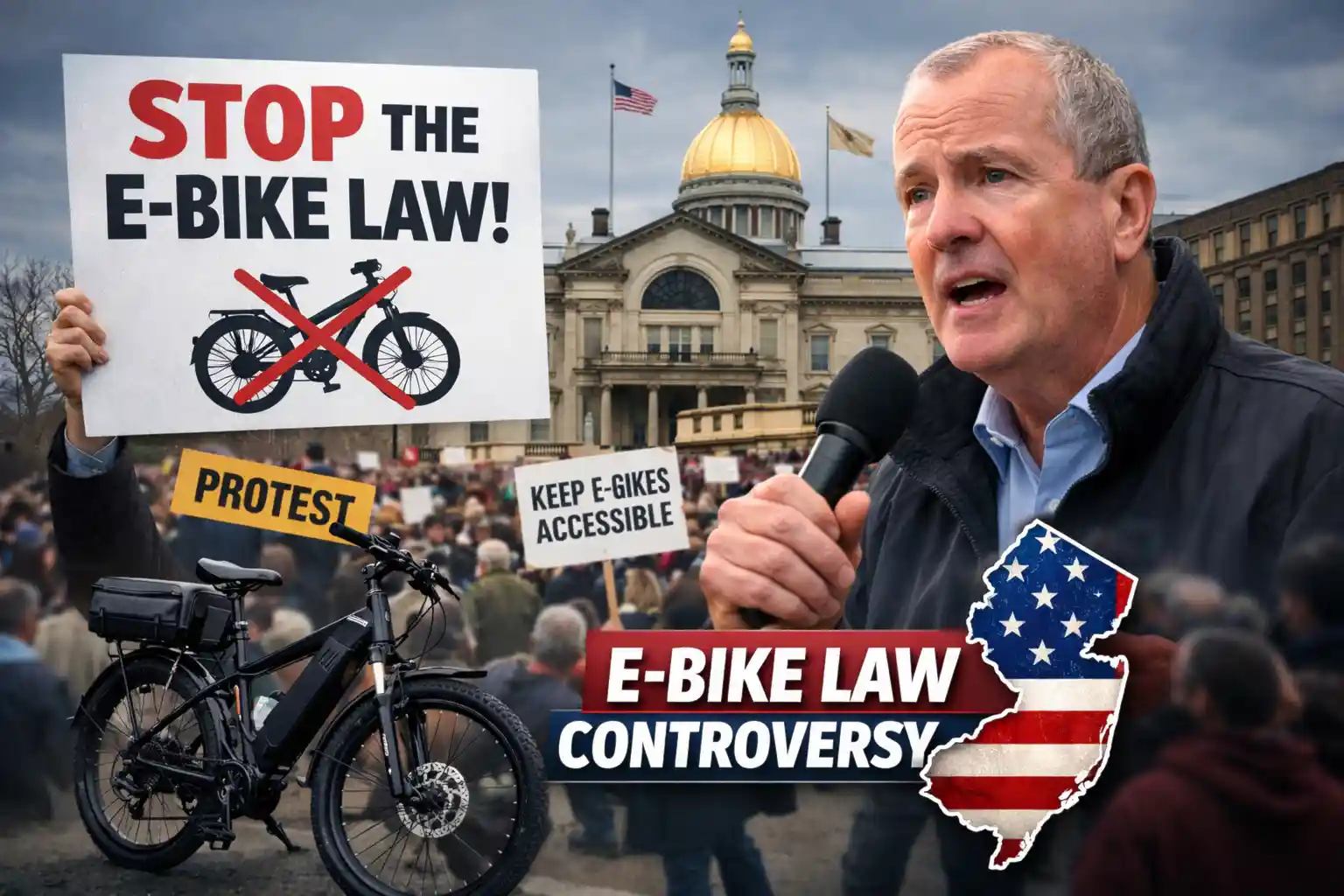
New Jersey’s latest attempt to regulate electric bikes is sparking strong reactions across the state, with critics urging Governor Phil Murphy not to sign recently passed legislation they say could limit access and create confusion for everyday riders.
The bill, which cleared the state legislature earlier this month, is part of a broader national trend where states are re-examining how e-bikes fit into existing traffic laws, safety rules, and public space policies. Supporters say the changes are needed to address growing safety concerns, while opponents argue the proposal could unintentionally discourage clean, affordable transportation.
If you are trying to understand how different states are handling these changes, our state-by-state e-bike law guide breaks down what is currently legal and where new proposals are emerging.
Curious how far New Jersey might go with e-bike regulation? Here is a breakdown of past and proposed licensing and registration requirements for riders in the state
What the Proposed Law Is Trying to Do
At its core, the New Jersey bill aims to clarify how e-bikes are classified and where they can be used. While the exact provisions vary by section, the legislation focuses on three main areas:
- Defining e-bike classes more clearly
The bill reinforces distinctions between low-speed pedal-assist bikes and higher-speed or throttle-based models. - Setting rules for where e-bikes can operate
This includes guidance for bike paths, sidewalks, and certain shared-use trails, particularly in urban and suburban areas. - Expanding local enforcement authority
Municipalities would have more power to restrict or regulate e-bike use in specific zones based on safety concerns.
Supporters argue these measures are designed to reduce conflicts between cyclists, pedestrians, and drivers, especially as e-bike adoption continues to grow across the state.
Why Critics Are Pushing Back
Opposition groups, cycling advocates, and some local leaders say the bill could go too far.
Their main concerns include:
- Patchwork rules from town to town
If local governments can set their own restrictions, riders could face different rules every time they cross a city boundary. - Reduced access for commuters
Many residents rely on e-bikes as a primary transportation option. Critics worry tighter regulations could limit safe, legal routes for daily travel. - Enforcement challenges
Determining e-bike classes and speed capabilities on the street can be difficult, potentially leading to inconsistent or unfair ticketing.
Some critics also point to earlier proposals that explored licensing, registration, and insurance requirements for e-bike riders in New Jersey, arguing that the broader regulatory push could continue beyond this bill.
How This Could Affect Different Types of Riders
Not all e-bike users would feel the impact of this bill the same way. Here is how different groups could be affected if the law is signed and local rules expand.
Daily Commuters
Riders who use e-bikes for work or school could face new route restrictions, especially in towns that limit access to shared paths or downtown areas. This could mean longer rides, more time in traffic, or fewer safe alternatives to busy roads.
Delivery and Gig Workers
If municipalities introduce stricter enforcement zones, delivery riders may need to adapt routes frequently, especially when crossing city lines. This could affect efficiency and earnings.
Recreational and Trail Riders
Local bans on certain e-bike classes may limit access to multi-use trails or parks, even for low-speed pedal-assist models that are already widely accepted in many areas.
Seniors and Mobility Riders
For people using e-bikes as a mobility aid or car replacement, reduced access to sidewalks or protected paths could make riding less comfortable or less safe.
If you are new to e-bikes or still deciding what type is right for your riding style, our e-bike buying guide explains how different classes, motors, and features affect where and how you can legally ride.
How to Tell If Your E-Bike Might Be Affected
If you ride in New Jersey, this quick checklist can help you understand whether your bike could fall under stricter rules.
- Check your class
Look for a label on the frame or in the manual showing whether your bike is Class 1, Class 2, or Class 3. - Know your top assisted speed
Class 1 and 2 typically assist up to 20 mph, while Class 3 assists up to 28 mph. - Throttle or no throttle
Some local rules treat throttle-equipped bikes differently, even if they meet speed limits. - Where you ride most often
Bike paths, boardwalks, parks, and downtown areas are the most likely places for local restrictions.
Where to Find Official Updates and Public Input
For readers who want to follow this closely or speak up, these official sources are the best places to watch for changes:
- New Jersey Legislature website for bill status and full text
- Governor’s office press releases for signing or veto announcements
- Local city or county websites for municipal rule changes
- New Jersey Department of Transportation for statewide guidance
Tip: If your town has a transportation advisory board or city council meetings, public comment is often where local e-bike rules are first discussed.
What Riders Can Do Right Now
These steps can help you stay ahead of changes and avoid confusion:
- Save a copy of your local e-bike rules on your phone in case of questions during enforcement.
- Label your bike clearly with its class if it is not already marked.
- Ride visibly and predictably in shared spaces to reduce complaints that often drive new restrictions.
- Follow a local cycling advocacy group to hear about proposals before they become law.
FAQs
Does this bill ban e-bikes in New Jersey?
No. The bill does not ban e-bikes statewide. It focuses on classification and gives local governments more authority to regulate where and how certain e-bikes can be used.
Could my town create stricter rules than the state?
Yes. One of the main concerns from critics is that municipalities may introduce their own restrictions, leading to different rules in different areas.
Will I need a license or registration?
As of now, this bill does not require licensing for standard e-bike classes, but some earlier proposals and future legislation could revisit this topic.
Why This Matters Beyond New Jersey
New Jersey’s debate reflects a much larger national conversation. States and cities across the US are wrestling with the same question:
How do you keep roads and paths safe without making e-bikes harder to use for people who rely on them for work, school, or daily mobility?
As more areas introduce speed limits, class restrictions, and enforcement zones, riders are increasingly encouraged to stay informed about both state and city-level rules.
My Take
From what I see, this situation highlights a familiar tension in e-bike policy. Safety is absolutely important, especially as faster and more powerful models become more common. But accessibility matters just as much.
E-bikes are one of the few transportation options that are affordable, low-emission, and usable by people who cannot or choose not to drive. When laws become overly complex or vary widely by town, it can create confusion instead of clarity.
In my opinion, the strongest approach is clear, statewide standards that focus on behavior rather than just hardware. Speeding, reckless riding, and unsafe modifications are real issues, but responsible riders should not be caught in a web of inconsistent local rules.
However this plays out, it is another reminder for riders everywhere to stay up to date on their local e-bike laws. The regulatory landscape is changing quickly, and what is legal today may not be tomorrow.
For more news on electric bikes click here

Kristina is not just an enthusiast but a true authority on electric bikes. Nestled in the coastal beauty of Virginia, Kristina has found the perfect backdrop for her passion for electric biking. As a dedicated wife and homeschooling mom, her life revolves around family, faith, and the thrill of adventure.
Originally hailing from Ohio, Kristina's journey with electric bikes began as a curiosity and quickly evolved into a deep expertise. Her blog is a testament to her love for electric biking, combining her fascination for eco-friendly transportation with her coastal lifestyle.
When she's not cruising the beach on her electric bike, you'll find Kristina indulging in her other loves: long walks along the shore, getting lost in a good book, and cherishing moments with her loved ones. With a heart as big as her love for animals, especially cats, Kristina brings a unique perspective to the electric bike world, grounded in her strong faith in God and her dedication to a sustainable lifestyle.
Through her blog, Kristina shares her extensive knowledge of electric bikes, offering valuable insights, tips, and recommendations to fellow enthusiasts. Whether you're a seasoned rider or a newcomer to the electric bike scene, Kristina's blog is your go-to source for all things electric biking, fueled by her passion, expertise, and the scenic beauty of coastal Virginia.