
Electric Bike Maintenance for Beginners
Last Updated on April 15, 2026 by Kristina
Introduction
E-bikes make commuting easier, fitness more fun, and weekend rides more enjoyable – but even the best models need regular care to stay safe and reliable. Whether you ride a Lectric, Aventon, or Yamaha mid-drive, proper maintenance helps extend your bike’s lifespan and keeps it performing at its best.
If you’re new to e-bikes, this e-bike buying guide explains how the key components work, what to look for, and how to choose a bike that’s easier to maintain over time.
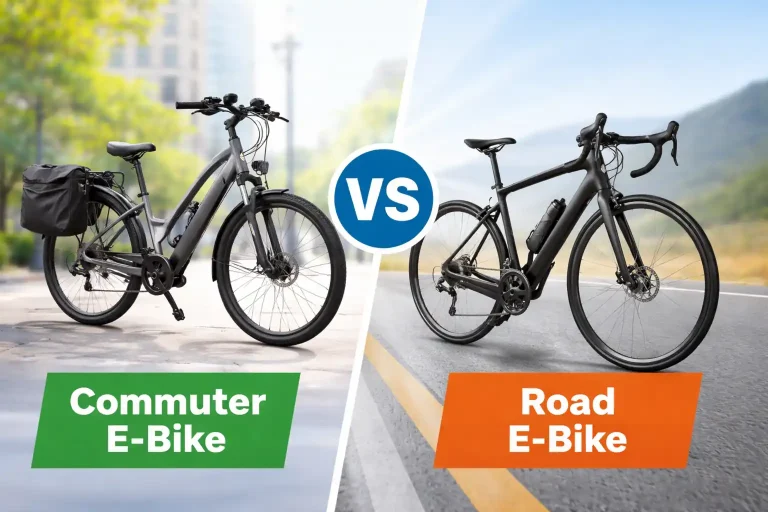
If you rely on your bike for daily travel, this commuter e-bike buying guide also covers the features and setup that help reduce wear and improve long-term reliability.
This beginner-friendly guide walks you through the essentials: cleaning, battery care, brakes, motors, troubleshooting, and seasonal upkeep – plus brand-specific tips for Lectric, Aventon, Yamaha, Trek, and Bosch.
If you’re just getting started, you may also find our e-bike tire troubleshooting guide and step-by-step chain maintenance tutorial helpful before diving into the full checklist.
📖 Read Next
Recommended E-Bike Accessories (Safety & Gear)
E-Bike Troubleshooting & Maintenance Guide – Fix Common Problems Fast
Understanding eBike Voltage: 36V vs 48V vs 52V — Which Is Right for You?
Top 10 E-Bike Maintenance Mistakes That Damage Your Motor (and How to Avoid Them)
E-Bike Software Updates: Why They Matter & How to Get Them
How to Build Your Own Ebike From Scratch
Why E-Bike Maintenance Matters
Regular maintenance helps you:
- Prevent costly repairs
- Keep your battery healthier for longer
- Ride farther on a single charge
- Stay safer on the road
- Extend your motor, brakes, and drivetrain life
Skipping maintenance rarely causes immediate problems — but over time it reduces range, increases wear, and can turn small issues into expensive repairs.
Riders using entry-level models may need more frequent upkeep, so this budget e-bike maintenance guide explains how to keep affordable bikes running longer.
Beginner E-Bike Maintenance Checklist
Below is your weekly, monthly, and seasonal routine — all simple enough for anyone to follow.
1. Regular Cleaning
Why it matters: Dirt causes premature wear, rust, and electrical issues.
How to clean your e-bike:
- Turn the bike off before cleaning.
- Brush away loose dirt with a soft brush or compressed air.
- Wash with mild bike soap and a sponge — avoid pressure washers.
- Be gentle around the motor, display, wiring, and battery ports.
- Dry completely before storing or riding again.
Quick Tip:
After rainy, sandy, or muddy rides, do a quick wipe-down. Moisture sitting overnight causes most corrosion.
Brand Tips
- Lectric – Keep folding hinges clean and lubricate moving parts periodically according to the user manual.
- Aventon – Many Aventon models have internal cable routing; as a general owner tip, checking cable entry points after washing can help prevent moisture buildup.
2. Tire Pressure Checks
Correct tire pressure helps with comfort, handling, and battery efficiency.
How to check:
- Use a pressure gauge weekly.
- Follow the PSI printed on your tire sidewall — this is the most accurate source.
- Tire pressure varies by tire width, rider weight, and terrain.
General Tire Pressure Guidelines
These are ballpark ranges many riders use — but always check your tire’s sidewall:
- Fat-tire e-bikes (Lectric, Aventon Aventure, etc.)
- Lower PSI improves off-road grip
- Higher PSI improves pavement efficiency
- Narrow commuter or road tires (Yamaha, Trek, etc.)
- Commonly run much higher PSI due to their slimmer design
Since recommended PSI can vary widely, the sidewall is always the final authority.
🛠 Tools & Parts That Can Help
If you’re dealing with this issue, having the right tools or replacement parts can make the fix much easier.
3. Chain Lubrication
A clean, lubricated chain shifts better and lasts longer.
How to lube your chain:
- Degrease it.
- Scrub and rinse.
- Apply e-bike-safe chain lube.
- Wipe off excess to prevent dirt buildup.
Brand Tip
- Trek / Bosch – Many mid-drive models use belts or internal hubs. Belts still require periodic cleaning and light manufacturer-approved lubrication if recommended in the manual.
4. Brake Inspection
Your brakes are your single most important safety system.
Check regularly for:
- Pad wear (replace when thin)
- Rotor warping or grooves
- Cable tension or hydraulic firmness
- Any squeaking or rubbing
Brand Tip
- Lectric XP 3.0 – Mechanical brakes need periodic cable adjustments.
5. Battery Care
Your battery is the most expensive component on your e-bike — take good care of it.
Battery care basics:
- Store at 30–60% charge if not riding for weeks.
- Avoid draining to 0%.
- Charge at room temperature.
- Bring your battery indoors during extreme cold or heat.
- Use only your brand’s charger.
- Avoid leaving the battery charging unattended for long periods.
Brand Tips
- Aventon – Charging indoors and keeping battery contacts clean helps reduce wear.
- Yamaha – Yamaha recommends room-temperature charging and avoiding hot garages.
Related Content: How to Replace Your Ebike Battery (For Any Model)
6. Motor & Electronics Check
Once a month:
- Listen for grinding, clicking, or whining.
- Ensure the display, lights, and buttons respond correctly.
- Check wiring for frayed areas or corrosion.
- Look for moisture buildup around connectors.
Related Content: Top 5 Signs Your Ebike Motor Needs Repair
7. Gear & Shifting Maintenance
Smooth shifting prevents drivetrain wear.
- Shift through all gears during your check.
- Adjust derailleur or shifter tension if gears skip.
- Lubricate derailleur pulleys lightly when cleaning.
Troubleshooting: Early Warning Signs & What to Do Next
Small symptoms can warn you before major issues happen. Here’s what they mean and how to handle them.
⚠️ 1. Sudden Drop in Battery Range
Common causes:
- Cold weather
- Low tire pressure
- Loose battery connection
- Aging battery
What to do:
- Inflate tires to the correct PSI
- Reseat the battery and clean contacts
- Charge at room temperature
- Try one full charge cycle (0–100%) to recalibrate the BMS
- If the issue continues, have a shop test the battery
⚠️ 2. Clicking or Grinding When Pedaling
Possible causes:
- Loose crank bolt
- Dry chain
- Misaligned derailleur
- Loose pedals
What to do:
- Tighten pedals
- Lube the chain
- Check crank bolts
- If noise continues, have the bottom bracket inspected
⚠️ 3. Squeaky, Soft, or Rubbing Brakes
Possible causes:
- Worn pads
- Dirty or oily rotors
- Misaligned caliper
What to do:
- Inspect pad thickness
- Clean rotors with isopropyl alcohol
- Adjust mechanical cables
- Bleed hydraulic brakes if needed
⚠️ 4. Motor Cutting Out or Stuttering
Possible causes:
- Loose or dirty connector
- Faulty brake sensor
- Overheating
- Battery not fully seated
What to do:
- Check all wiring around the motor
- Make sure brake levers aren’t sticking
- Let the motor cool down
- Reseat the battery
- If problem persists, get a diagnostic
⚠️ 5. Display Flickering or Buttons Not Responding
Possible causes:
- Loose display cable
- Moisture in display
- Corrosion on connectors
What to do:
- Disconnect and reconnect the display cable
- Dry the display thoroughly if it got wet
- Apply a small amount of dielectric grease to vulnerable connectors
- Replace cable or display if issues continue
Seasonal Maintenance Tips
Winter
- Clean more often after salty/wet rides
- Use winter-grade chain lube
- Store the battery indoors
Spring
- Inspect for rust or corrosion
- Re-lube the drivetrain
- Check tires for cracks
Summer
- Avoid overheating the battery
- Inspect brake pads more frequently
Fall
- Check tires before colder temperatures
- Clean moisture-prone areas more frequently
Related Content:
- 5 Common Winter Ebike Mistakes
- How to Winterize Your Electric Bike
Brand-Specific Quick Tips
Lectric XP Series
- Clean folding joints
- Lightly lubricate moving parts per manual guidance
- Check fat-tire pressure weekly
Aventon (Level, Pace, Aventure)
- During cleaning, ensure cable ports stay dry
- Clean battery contacts regularly
- Some Aventon models allow torque-sensor calibration — check your manual
Yamaha Mid-Drive
- Gently clean around the mid-drive housing
- Check crank bolt torque every few months
Trek / Bosch
- Visit a dealer for software updates
- Check belt tension if equipped with a belt-drive system
What Every E-Bike Owner Should Have (Basic Tool Kit)
A few affordable tools make maintenance much easier:
- Floor pump with gauge
- Chain lube
- 4mm–6mm Allen keys
- Torque wrench (important for e-bikes!)
- Tire levers
- Patch kit
- Microfiber cloths
- Degreaser
- Dielectric grease for connectors
These help prevent most long-term issues.
FAQs
A: Every 100–150 miles in dry conditions, or every 50 miles in wet conditions.
A: Mostly standard e-bike care, but keep an eye on external wiring and connectors, as they’re more exposed than on some models.
A: 20–25 PSI for off-road grip; 25–35 PSI for pavement and better range.
A: Yes — at least once a year for casual riders, every 6 months for heavy use.
A. Lectric recommends a tune-up every 6 months or 500 miles, plus regular cleaning and brake adjustments at home.
A. Cleaning, tire pressure checks, chain lubrication, brake inspection, battery care, gear adjustments, and seasonal checks.
A. Avoid full discharges, keep it between 30–80% charge when possible, and store it in a cool, dry place.
A. Check your brake pads every month or before every significant ride. Look for wear indicators or measure the pad thickness. Replace the pads if they are worn down.
A. It’s better to avoid using a pressure washer on your e-bike as the high-pressure water may force its way into delicate electrical components. Stick to a gentle hose spray or hand wash.
A. A yearly professional service is recommended to ensure everything is in top condition. However, regular DIY maintenance can extend the time between professional check-ups.
A. If the motor overheats, take a break and let it cool down. Reduce the load and avoid steep inclines until the motor returns to a safe temperature.
It’s best to store your e-bike in a cool, dry place. Extreme cold can negatively impact battery performance, so keep it indoors when not in use during freezing weather.
A. Regularly clean and lubricate the chain to prevent rust. Additionally, avoid leaving your e-bike out in the rain for extended periods and store it in a dry place.
If you plan to store your e-bike for an extended period, it’s better to remove and store the battery in a cool, dry place with around 60% charge. This helps preserve its health.
Conclusion:
Regular e-bike maintenance isn’t complicated — and it pays off with smoother rides, longer battery life, better safety, and fewer repairs. Whether you ride a Lectric, Aventon, Yamaha, Trek, or Bosch, a simple routine will protect your investment for years to come.
Start your maintenance routine today, bookmark this guide, and explore more of our e-bike care tips to stay safe, confident, and ready for every ride.
Thinking about upgrading soon? Explore our latest buyer’s guides and comparisons to find the perfect next model.

Kristina is not just an enthusiast but a true authority on electric bikes. Nestled in the coastal beauty of Virginia, Kristina has found the perfect backdrop for her passion for electric biking. As a dedicated wife and homeschooling mom, her life revolves around family, faith, and the thrill of adventure.
Originally hailing from Ohio, Kristina's journey with electric bikes began as a curiosity and quickly evolved into a deep expertise. Her blog is a testament to her love for electric biking, combining her fascination for eco-friendly transportation with her coastal lifestyle.
When she's not cruising the beach on her electric bike, you'll find Kristina indulging in her other loves: long walks along the shore, getting lost in a good book, and cherishing moments with her loved ones. With a heart as big as her love for animals, especially cats, Kristina brings a unique perspective to the electric bike world, grounded in her strong faith in God and her dedication to a sustainable lifestyle.
Through her blog, Kristina shares her extensive knowledge of electric bikes, offering valuable insights, tips, and recommendations to fellow enthusiasts. Whether you're a seasoned rider or a newcomer to the electric bike scene, Kristina's blog is your go-to source for all things electric biking, fueled by her passion, expertise, and the scenic beauty of coastal Virginia.