
The Hidden Dangers of New E-Bike Registration Bill: Could It Fuel Anti-Immigrant Policing?
The New York City Council is considering a controversial bill that would require all e-bikes, electric scooters, and other legal motorized vehicles to be registered with the Department of Transportation (DOT), providing them with a distinctive identification number and license plate. While the bill, Intro 606, is framed as a way to increase public safety, experts warn that it may lead to serious unintended consequences, particularly for the city’s immigrant delivery workforce, which relies heavily on e-bikes.
Many of these workers, who face the constant threat of deportation under the incoming presidential administration, could find themselves disproportionately targeted by law enforcement, raising concerns that the bill could replicate the discriminatory practices of “stop-and-frisk” policies from the past.
The Proposal
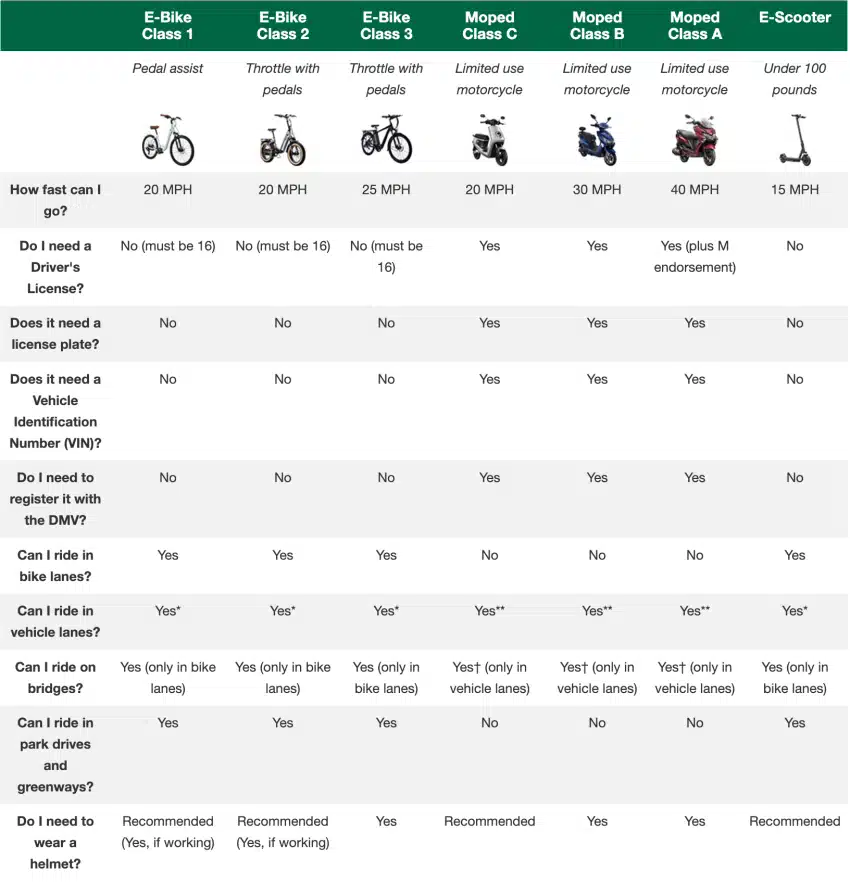
Under Intro 606, all electric bicycles and similar devices would need to be registered with the DOT. While the bill does not specify the cost or the registration process, it mandates that every e-bike must have an identifying license plate. Though e-bikes make up a growing part of the city’s transportation system, studies show that they do not contribute significantly to public safety problems. In fact, mopeds—vehicles that can reach higher speeds—are more often the cause of serious accidents. Still, the bill’s proponents argue that registering these vehicles will improve safety, especially for pedestrians.
However, critics argue that the bill fails to address the true safety concerns on the road, primarily caused by cars, and instead targets a vulnerable group: immigrant delivery workers.
Discriminatory Enforcement
Michael Sisitzky, assistant policy director at the New York Civil Liberties Union (NYCLU), has voiced significant concerns about the bill’s potential for discriminatory enforcement. He warns that the law could be used to target immigrant workers, many of whom rely on e-bikes to make a living. Such registration programs can often lead to racial profiling and unequal application of the law, as has been seen with past policing practices.
“It’s this idea of ‘racism without racists’—where the intention is not openly discriminatory, but the outcomes are,” says Do Lee, an assistant professor of urban studies at Queens College. Lee argues that the registration law would serve as a “Trojan horse” for increased policing of immigrant communities, perpetuating a cycle of discrimination under the guise of public safety.
The History of Policing Immigrants
The bill’s introduction comes at a time when anti-immigrant sentiment is rising in the U.S., particularly with the incoming Trump administration. Experts caution that creating a database specifically for electric bike users, many of whom are immigrants—some undocumented—could put them at risk. This database could be exploited by the federal government for mass deportation efforts, making it easier to target vulnerable populations.
Luis Cortes, director of Los Deliveristas Unidos, a group advocating for immigrant delivery workers’ rights, explains that this bill risks further criminalizing already marginalized communities. “Delivery workers already perform one of the most dangerous jobs in the city,” Cortes says. “They should not be further placed in harm’s way by a bill that will undoubtedly result in the criminalization of their work and lives.”
Lack of Focus on Actual Safety
While proponents of Intro 606 argue that the bill will make the streets safer, critics point out that it will not address the real issues that threaten public safety. For example, the bill does nothing to regulate mopeds, which are faster and more dangerous than e-bikes, or to address the much more significant risk posed by motor vehicles.
Moreover, data suggests that e-bikes are responsible for very few traffic fatalities. In fact, out of 240 road fatalities in New York City in 2024, only one was caused by an e-bike. In contrast, cars are responsible for the vast majority of pedestrian injuries and deaths. This highlights the need for more comprehensive traffic safety measures, such as protected bike lanes and safer road designs, rather than targeting e-bikes with new, potentially harmful laws.
E-Bikes and the Immigrant Workforce
For many immigrant workers in New York City, e-bikes are an essential tool for earning a living. However, the bill’s proposed registration system could have a chilling effect, with the possibility of increased policing and ticketing of these workers. Many of these individuals already face the threat of deportation and have limited legal protections. Introducing a registration program that disproportionately targets them could push these workers further into the shadows, making them vulnerable to harassment, fines, or worse.
A Pattern of Fear and Racism
Critics argue that the push to regulate e-bikes is part of a broader pattern of moral panic and racial profiling. “Every few years, there’s some sort of moral panic about some group of people that is making residents feel unsafe,” says Lee. “It’s hard to take it seriously as a public safety issue.” The fear surrounding e-bikes, despite their minimal role in accidents, reflects broader anxieties rooted in racial and immigrant prejudices.
Conclusion: Rethinking the Bill
As the debate over Intro 606 continues, it is clear that the bill’s potential to harm immigrant communities should not be ignored. If the goal is truly public safety, the focus should shift toward proven solutions like safer road infrastructure, stricter regulations for mopeds, and better protections for vulnerable workers—rather than creating new systems that could be weaponized against them.
The City Council must carefully consider the consequences of this legislation, especially as it may pave the way for further criminalization of immigrant communities already under threat. As the city moves forward, it’s important to prioritize solutions that protect all workers and ensure a safer, more equitable environment for everyone—whether on two wheels or four.
What do you think about the proposed e-bike registration bill? Do you think it could disproportionately affect immigrant workers? Share your thoughts in the comments below and let’s start a conversation about safer, more inclusive policies for everyone on the road!
For even more news on electric bikes click here
RELATED CONTENT

Kristina is not just an enthusiast but a true authority on electric bikes. Nestled in the coastal beauty of Virginia, Kristina has found the perfect backdrop for her passion for electric biking. As a dedicated wife and homeschooling mom, her life revolves around family, faith, and the thrill of adventure.
Originally hailing from Ohio, Kristina's journey with electric bikes began as a curiosity and quickly evolved into a deep expertise. Her blog is a testament to her love for electric biking, combining her fascination for eco-friendly transportation with her coastal lifestyle.
When she's not cruising the beach on her electric bike, you'll find Kristina indulging in her other loves: long walks along the shore, getting lost in a good book, and cherishing moments with her loved ones. With a heart as big as her love for animals, especially cats, Kristina brings a unique perspective to the electric bike world, grounded in her strong faith in God and her dedication to a sustainable lifestyle.
Through her blog, Kristina shares her extensive knowledge of electric bikes, offering valuable insights, tips, and recommendations to fellow enthusiasts. Whether you're a seasoned rider or a newcomer to the electric bike scene, Kristina's blog is your go-to source for all things electric biking, fueled by her passion, expertise, and the scenic beauty of coastal Virginia.