NYC Issues 77 Summonses in Illegal E-Bike and Scooter Sales Crackdown
Last Updated on November 9, 2026 by Kristina

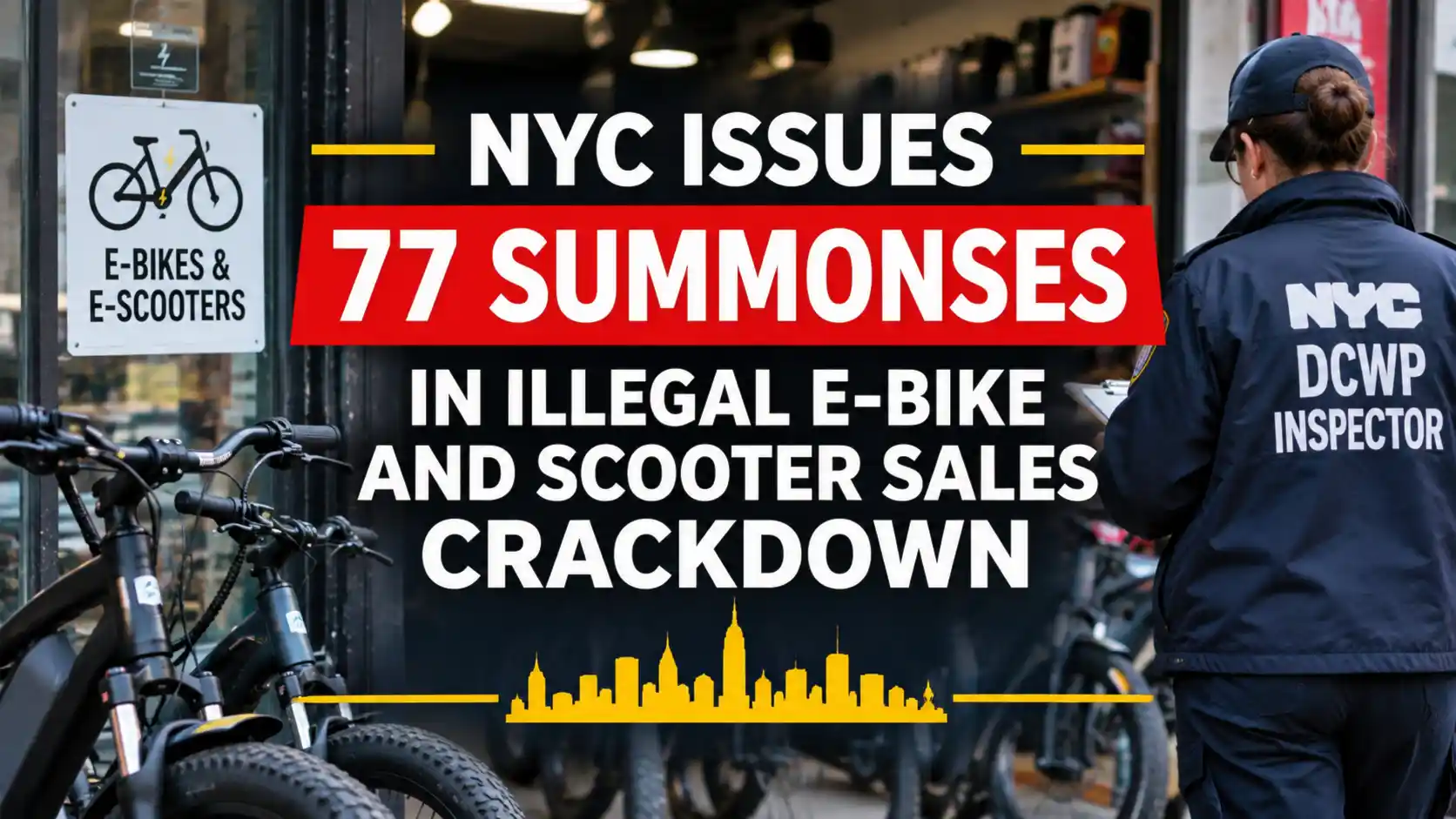
NEW YORK CITY — November 9, 2026: New York City has issued 77 summonses covering 136 violations after inspecting more than 200 stores selling electric bikes, electric scooters and related micromobility devices. Announced November 5 by the Department of Consumer and Worker Protection (DCWP), the results come from a citywide retail-enforcement sweep conducted during August and September 2026.
Inspectors found some businesses selling high-powered or oversized vehicles that did not meet the city’s rules, including devices reportedly capable of reaching 50 mph. This is an enforcement action against sellers—not a new blanket ban on legal e-bikes or a report of 77 tickets issued to riders. For the wider state and city requirements, see our New York E-Bike Laws Guide. You can also follow our latest Electric Bike News for new developments.
What NYC Inspectors Found
According to the November 5 DCWP enforcement announcement, inspectors visited more than 200 brick-and-mortar shops across all five boroughs. Businesses were cited in every borough, with the largest concentration of noncompliant retailers in Brooklyn.
- 136 violations identified during the sweep.
- 77 summonses issued to businesses. The announcement does not specify how many distinct businesses received summonses or how the violations were distributed among them.
- 46 violations involving Local Law 39, New York City’s micromobility safety-certification requirements.
- 55 violations involving Local Law 49, which requires sellers to provide battery-safety information and disclosures.
- 35 violations involving regulations for motorized scooters.
The inspections took place during August and September 2026; the city announced the results on November 5.
Why Were Some E-Bikes and Scooters Considered Illegal?
The enforcement effort addressed both vehicle specifications and electrical safety and disclosure requirements. DCWP says inspectors encountered some products with excessive speed capabilities, including devices capable of reaching approximately 50 mph.
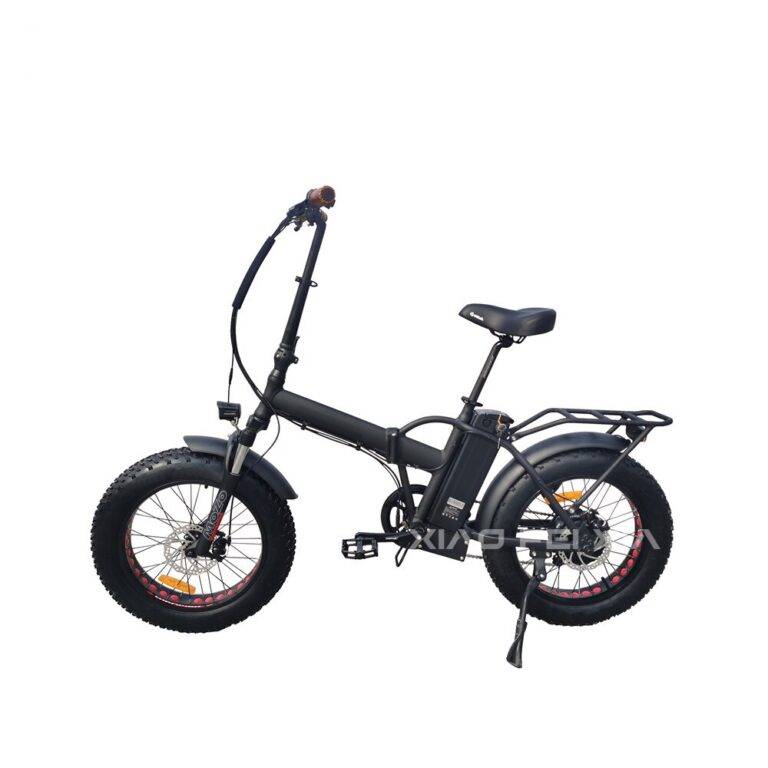
Under New York’s e-bike classification rules, a qualifying electric bicycle has an electric motor rated at less than 750 watts and must meet the applicable class requirements. NYC also defines a powered bicycle as no more than 36 inches wide. Class 1 and Class 2 motor assistance ends at 20 mph. New York’s Class 3 category, available only in New York City, allows throttle-assisted operation up to 25 mph. The law’s classification limits are different from the speed a rider must obey on the street.
For motorized scooters, NYC prohibits the sale, rental, leasing or operation of devices that exceed 20 mph in top speed or weigh more than 100 pounds. These restrictions help distinguish permitted e-scooters from faster or heavier motorized vehicles. See DCWP’s official micromobility definitions.
Important distinction: New York City’s separate 15 mph operating speed limit for e-bikes and e-scooters took effect October 24, 2025. A vehicle’s legal class or maximum assisted speed does not give riders permission to exceed the city’s operating speed limit. See NYC’s adopted operating-speed rule and the New York Attorney General’s consumer alert for the underlying rules.
Battery Certification and Seller Disclosures Were Also a Focus
The sweep was not limited to fast vehicles. New York City also requires businesses selling or renting covered micromobility products to meet electrical safety standards and provide specified information to customers.
- UL 2849: The required certification standard for powered bicycles such as e-bikes.
- UL 2272: The required standard for other powered mobility devices, including e-scooters.
- UL 2271: The required standard for storage batteries used in those devices.
The certification must be performed by an accredited testing laboratory; simply printing “UL” or “UL compliant” in a product listing is not the same as documented certification. Sellers also have requirements for showing certification information and displaying official battery-safety materials, both in stores and on applicable online product pages. See NYC’s official micromobility requirements for the city’s checklist.
How This Fits Into NYC’s Wider E-Bike Enforcement
This is not New York City’s first action against sellers of potentially illegal electric two-wheelers. In August, officials announced cease-and-desist orders directed at 42 online retailers. Read our coverage of New York City’s earlier action against 42 online sellers.
The November announcement provides a broader enforcement picture: since 2023, DCWP says it has carried out nearly 1,000 micromobility inspections and issued more than 460 summonses to physical retailers. It also reports more than 85 cease-and-desist orders and 41 summonses involving online sellers. The agency says three locations were sealed, while five additional locations came into compliance before they were sealed. These are cumulative enforcement figures, not additional closures attributable solely to the August–September sweep.
Lawmakers are also debating other e-bike rules. Those proposals should not be confused with existing enforcement powers. For example, EBE has covered proposed NYC e-bike speed-testing legislation; that proposed testing measure is a separate issue from the retailer inspections announced November 5.
🎬 Watch: NYC Cracks Down on Illegal E-Bike Sales
Watch this official NYC Mayor’s Office video from August 5, 2026, highlighting the city’s earlier efforts to stop the sale of illegal, high-powered e-bikes and scooters. This enforcement campaign preceded the November announcement of 77 summonses against retailers
What E-Bike Buyers in New York Should Check
The latest sweep is a reminder that a product advertised as an “e-bike” may not meet the legal definition in the location where it is sold or ridden. Before buying, especially from an unfamiliar seller or marketplace listing, check:
- Whether the motor rating and class label match New York’s requirements.
- Where motor assistance actually cuts off and whether the product can be unlocked into an illegal riding mode.
- Whether the device and battery have the required certification from an accredited laboratory—not merely an unsupported marketing claim.
- Whether the seller supplies certification information, battery-safety notices and clear use restrictions.
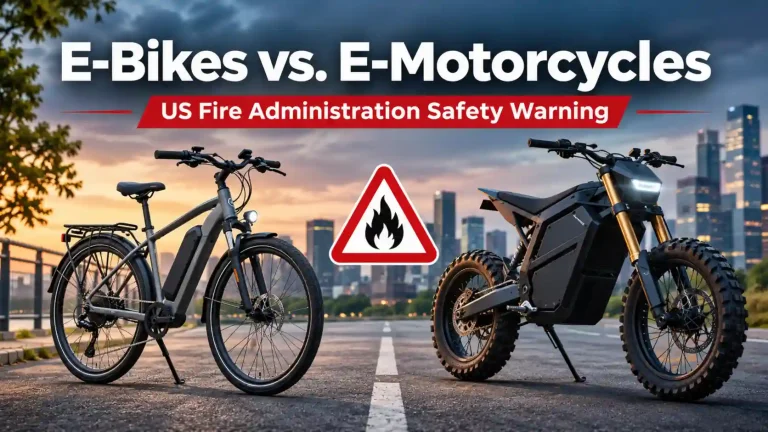
- Whether the vehicle is instead an e-moto, moped or motorcycle requiring different registration, licensing or insurance.
Customers who believe a New York City business is selling uncertified or otherwise noncompliant devices can consult the city’s NYC311 reporting guidance, call 311 and ask about filing a complaint concerning electric bike, scooter or battery sales, or email the Department of Consumer and Worker Protection at [email protected]. Include the business name, location and details of the suspected issue, if available.
What Happens Next?
DCWP says it intends to continue enforcing the city’s rules against businesses selling unsafe or unlawful micromobility devices. The November 5 release did not announce a new statewide e-bike law or prohibit the sale of compliant e-bikes. It showed the city applying existing requirements to physical retailers as well as continuing its scrutiny of online sellers.
For riders, the practical takeaway is simple: check the bike’s legal classification, actual assisted-speed limit and verifiable battery-system certification before purchasing. Responsible sellers should make that information easy to find.
My Take
I think New York City is right to focus on businesses selling e-bikes and scooters that don’t meet the rules. Buyers should be able to trust that a product marketed as an e-bike is legal to use and that its battery and electrical system meet the required safety standards.
At the same time, I don’t want responsible e-bike riders or retailers lumped together with sellers of high-powered e-motos or uncertified products. Clear labeling, verifiable certification and fair, consistent enforcement can help protect people without making it harder to choose a legitimate electric bike.
Read more: Review our New York E-Bike Laws Guide, or browse latest Electric Bike News for continuing coverage of electric bike regulations, recalls, technology and industry news.
Sources
- November 5 DCWP enforcement announcement (November 5, 2026)
- NYC’s official micromobility requirements (official certification and disclosure requirements)
- New York Attorney General’s consumer alert (July 31, 2026)
- NYC’s adopted operating-speed rule (effective October 24, 2025)

Kristina is not just an enthusiast but a true authority on electric bikes. Nestled in the coastal beauty of Virginia, Kristina has found the perfect backdrop for her passion for electric biking. As a dedicated wife and homeschooling mom, her life revolves around family, faith, and the thrill of adventure.
Originally hailing from Ohio, Kristina's journey with electric bikes began as a curiosity and quickly evolved into a deep expertise. Her blog is a testament to her love for electric biking, combining her fascination for eco-friendly transportation with her coastal lifestyle.
When she's not cruising the beach on her electric bike, you'll find Kristina indulging in her other loves: long walks along the shore, getting lost in a good book, and cherishing moments with her loved ones. With a heart as big as her love for animals, especially cats, Kristina brings a unique perspective to the electric bike world, grounded in her strong faith in God and her dedication to a sustainable lifestyle.
Through her blog, Kristina shares her extensive knowledge of electric bikes, offering valuable insights, tips, and recommendations to fellow enthusiasts. Whether you're a seasoned rider or a newcomer to the electric bike scene, Kristina's blog is your go-to source for all things electric biking, fueled by her passion, expertise, and the scenic beauty of coastal Virginia.