NYC Could Start Testing E-Bike Speeds: What a New Police Enforcement Proposal Means for Riders
Last Updated on October 20, 2026 by Kristina
NEW YORK CITY — October 20, 2026: New York City lawmakers are promoting a proposal that would let police test the motor power and assisted speed of certain electric bikes and scooters suspected of violating existing city rules. On October 20, City Council leaders demonstrated dynamometer equipment as part of their push for legislation introduced earlier this year.
The key distinction: the testing proposal has not passed and is not currently law. It would establish a program to help distinguish compliant electric bicycles from devices that fall outside the city’s legal definitions.
Current Status: Proposed, Not Approved
Introduction 0986-2026 was introduced on August 13, 2026. The City Council considered it at a September 30 committee hearing, and the official legislative record lists it as Laid Over in Committee. The October 20 demonstration did not change the bill’s legal status.
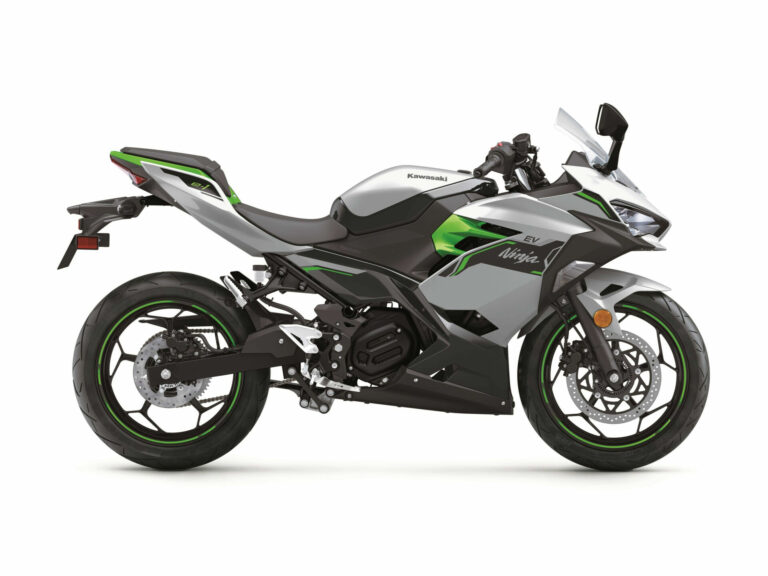
The proposal addresses a genuine enforcement problem: a powerful electric motorcycle or modified vehicle may resemble an ordinary e-bike. Officers cannot reliably determine a device’s legal classification simply by looking at its tires, frame, or pedals.
What Is an E-Bike Dynamometer?
A dynamometer is testing equipment used to measure performance characteristics such as power and speed. For the proposed NYC program, the equipment would be used to assess a device’s motor output and maximum motor-assisted speed.
A demonstration of roller-based equipment can illustrate how this kind of measurement works, but the bill itself does not establish every technical testing procedure. Those details would matter enormously for accuracy and fairness.
How Would Police Use the Equipment?
Under the proposed legislation, the NYPD, working with the Department of Transportation, would establish a program for testing suspected illegal motorized scooters. The bill requires probable cause to believe a device observed operating in a street, park, or other public place violates the relevant prohibition; it is not a blanket authorization to test every e-bike.
The program would prioritize the 10 locations with the highest micromobility traffic and, where different, the 10 locations with the highest micromobility collision rates. It would also require reporting on testing results and relevant impoundments, with annual reports due by April 30.
What Power and Speed Limits Would Officers Check?
New York law defines qualifying electric bicycles using motor power and motor-assistance limits. A qualifying e-bike has a motor rated at less than 750 watts. Class 1 and Class 2 assistance is limited to 20 mph, while New York’s Class 3 category, permitted only in New York City, allows throttle assistance up to 25 mph.
The NYC bill specifically calls for reporting on devices measured at 750 watts or greater and devices providing motor assistance at 25 mph. Those figures must be interpreted under the applicable legal definitions and a valid testing method. A reading or a marketing label alone should not be treated as automatic proof of every possible violation.
Motor-assisted capability is different from riding speed. NYC’s separate 15 mph operating speed limit already took effect October 24, 2025. A bike’s ability to provide assistance at a higher speed does not give its rider permission to exceed the city’s operating limit.
For background, see my earlier coverage of NYC’s 15 mph e-bike speed limit and enforcement.
Could Police Confiscate Your E-Bike?
The proposal relates to enforcement of existing restrictions, including laws addressing impoundment of prohibited devices. Its reporting provisions would document testing and relevant impoundments. But the bill does not mean every fast-looking e-bike could automatically be confiscated. The device’s legal classification, the circumstances of the encounter, and applicable enforcement authority would all matter.
How Does This Relate to the Class 3 E-Bike Debate?
This dynamometer proposal is separate from another City Council measure concerning Class 3 e-bike operation. One proposal addresses which vehicles may operate in public places; this one concerns how officers might test devices suspected of violating existing restrictions.
Read my report on the NYC Class 3 e-bike ban proposal for the distinction.
Understanding New York State E-Bike Laws
New York City’s rules can be confusing, particularly because the city’s Class 3 category and operating limits do not match the three-class systems used in many other states. If you’re unsure which e-bike classes are legal, where you can ride, or what restrictions apply, see my New York State E-Bike Laws Guide.
Questions That Still Need Answers
- How will power be measured? Nominal, rated, and peak motor output are not interchangeable.
- Will officers use standardized procedures? Consistent equipment operation and interpretation are essential.
- Can riders challenge a result? An appropriate review process would help address potential errors.
- What will the program cost? Equipment, training, maintenance, and staffing affect feasibility.
- Will it improve safety? Testing data should ultimately be evaluated alongside collision and enforcement outcomes.
When Would the Proposal Take Effect?
There is no effective date because the bill has not been enacted. As currently written, the local law would take effect one year after becoming law. That timeline could change if the City Council amends the measure.
My Take: Better Testing Could Be Fairer, but Accuracy Matters
I understand why city officials want a more objective way to distinguish legal e-bikes from high-powered vehicles that are marketed as bicycles. A fat-tire frame or large-looking motor does not automatically mean a rider has an illegal bike.
If properly validated equipment helps officers make that distinction accurately, it could make enforcement fairer. But I would want to see clear testing standards, training, and a meaningful way to contest questionable results. In particular, officers should not confuse peak output with a legally relevant rated-power measurement.
Technology can improve enforcement only if the measurements and the legal rules behind them are reliable.
What Happens Next?
Introduction 0986-2026 remains in committee as of October 20, 2026. The next developments to watch are amendments, a scheduled vote, or more detail about testing standards and implementation. Until then, riders should follow the rules already in effect.
For other updates on legislation, safety requirements, recalls, and enforcement, visit my Electric Bike News section.
Sources
- New York City Council — Introduction 0986-2026 and legislative status
- amNewYork — October 20 dynamometer demonstration
- New York DMV — Electric scooters and bicycles

Kristina is not just an enthusiast but a true authority on electric bikes. Nestled in the coastal beauty of Virginia, Kristina has found the perfect backdrop for her passion for electric biking. As a dedicated wife and homeschooling mom, her life revolves around family, faith, and the thrill of adventure.
Originally hailing from Ohio, Kristina's journey with electric bikes began as a curiosity and quickly evolved into a deep expertise. Her blog is a testament to her love for electric biking, combining her fascination for eco-friendly transportation with her coastal lifestyle.
When she's not cruising the beach on her electric bike, you'll find Kristina indulging in her other loves: long walks along the shore, getting lost in a good book, and cherishing moments with her loved ones. With a heart as big as her love for animals, especially cats, Kristina brings a unique perspective to the electric bike world, grounded in her strong faith in God and her dedication to a sustainable lifestyle.
Through her blog, Kristina shares her extensive knowledge of electric bikes, offering valuable insights, tips, and recommendations to fellow enthusiasts. Whether you're a seasoned rider or a newcomer to the electric bike scene, Kristina's blog is your go-to source for all things electric biking, fueled by her passion, expertise, and the scenic beauty of coastal Virginia.