
Why Modified E-Bikes Are Causing Fires and How to Stay Safe
The number of fires caused by e-bikes in London has been on the rise, largely due to modifications made using parts bought online. The London Fire Brigade (LFB) reports that e-bikes are now one of the fastest-growing fire risks in the city, with over 130 e-bike-related fires by the end of September—an average of more than three per week.
In 2023, there were three tragic deaths and 60 injuries resulting from e-bike fires. The LFB responded to 143 e-bike fires and an additional 36 fires caused by e-scooters last year alone. With e-bikes becoming a popular mode of transportation, it’s essential to understand the risks and take precautions to protect your home and loved ones.
What Causes E-Bikes to Catch Fire?
Many of the fires linked to e-bikes stem from the use of incompatible chargers, unauthorized modifications, or faulty and counterfeit parts bought online. This includes lithium-ion batteries, chargers, and e-bike conversion kits.
“E-bikes and e-scooters pose a significant fire risk, particularly due to the batteries used to power them,” says Charlie Pugsley, deputy commissioner of the LFB. “These fires have destroyed homes and, tragically, claimed lives. We’ve seen many fires involving secondhand or modified e-bikes using online parts.”
E-bikes are powered by lithium-ion batteries, which store a large amount of energy in a compact space. While powerful, these batteries are also prone to overheating, overcharging, or damage from being crushed or punctured. If the energy inside is released in an uncontrolled way, the battery can catch fire or even explode.
How Can E-Bike Owners Protect Themselves?
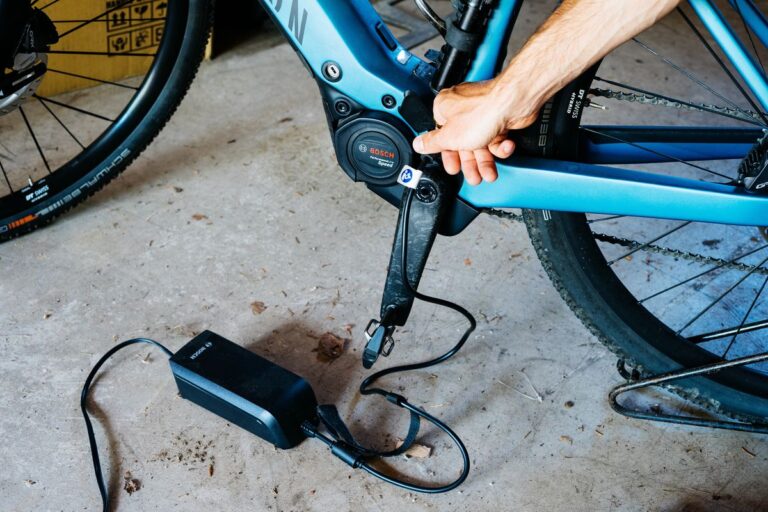
To protect yourself from e-bike fires, LFB recommends the following precautions when charging your e-bike or e-scooter:
- Use the correct charger: Always use the manufacturer-recommended charger for your e-bike or e-scooter.
- Don’t overcharge: Unplug your charger once the battery is fully charged to avoid overcharging, which can cause overheating.
- Charge safely: Never leave your e-bike or scooter charging unattended, and don’t charge it overnight or in hallways where it could block escape routes in case of a fire.
- Charge in safe areas: Ideally, charge your e-bike outside or in a shed. If that’s not possible, charge it in a room where you can close the door and contain any potential fire, and make sure you have working smoke detectors installed.
DIY e-bike conversion kits bought online can also be risky. LFB advises that any conversion should be carried out by a professional or a competent person using batteries from reputable sources—not secondhand.
What Do Insurance Companies Say About E-Bikes?
The Association of British Insurers (ABI) has also expressed concerns about the risks posed by lithium-ion battery fires. A spokesperson noted that fires involving these batteries are particularly dangerous and hard to extinguish.
“When charging devices with lithium-ion batteries, only use accessories designed for the specific make and model of your e-bike,” the spokesperson warns. “Watch out for signs like excessive heat, strange smells, bulging, or leaks, which could indicate battery failure.”
The ABI is urging safety regulations to be modernized to address the growing fire risk from e-bikes and e-scooters, particularly when devices are damaged, modified, or used with counterfeit chargers. Property owners should also ensure that they have working smoke alarms and fire safety equipment installed.
Warning Signs of a Failing Battery
The LFB has outlined several warning signs that e-bike owners should be aware of:
- Excessive heat: While it’s normal for batteries to get warm during charging, a battery that becomes extremely hot may be defective.
- Bulging: A battery that is bulging or swollen is a clear sign of failure. Stop using it immediately.
- Unusual noises: Hissing or cracking sounds from a battery may indicate it is about to fail.
- Strange smells: Any strong or unusual odor coming from the battery could mean it’s failing.
- Poor performance: If your battery takes longer to charge or isn’t holding a charge properly, it may be on the verge of failing.
- Smoke: If your battery is smoking, a fire has already started. In such cases, don’t try to put the fire out yourself—evacuate, raise the alarm, and call emergency services.
Staying Safe: Campaigns and Legislation
The LFB has launched the #ChargeSafe campaign to raise awareness about the risks of e-bike fires. It is also advocating for stricter legislation on online marketplaces to ensure that batteries, chargers, and conversion kits are properly regulated.
The UK’s Department for Business and Trade has introduced the “Buy Safe, Be Safe” campaign, urging the public to purchase e-bikes and e-scooters from reputable sources and avoid rogue online sellers offering unsafe products.
For more information on protecting yourself from e-bike fires, visit the London Fire Brigade website.
Concerned about the safety of your e-bike? Learn the crucial tips to avoid dangerous fires caused by modifications and unsafe chargers. Stay informed, protect your home, and join the conversation—share your experiences and questions in the comments below!
For even more news on electric bikes click here
RELATED CONTENT

Kristina is not just an enthusiast but a true authority on electric bikes. Nestled in the coastal beauty of Virginia, Kristina has found the perfect backdrop for her passion for electric biking. As a dedicated wife and homeschooling mom, her life revolves around family, faith, and the thrill of adventure.
Originally hailing from Ohio, Kristina's journey with electric bikes began as a curiosity and quickly evolved into a deep expertise. Her blog is a testament to her love for electric biking, combining her fascination for eco-friendly transportation with her coastal lifestyle.
When she's not cruising the beach on her electric bike, you'll find Kristina indulging in her other loves: long walks along the shore, getting lost in a good book, and cherishing moments with her loved ones. With a heart as big as her love for animals, especially cats, Kristina brings a unique perspective to the electric bike world, grounded in her strong faith in God and her dedication to a sustainable lifestyle.
Through her blog, Kristina shares her extensive knowledge of electric bikes, offering valuable insights, tips, and recommendations to fellow enthusiasts. Whether you're a seasoned rider or a newcomer to the electric bike scene, Kristina's blog is your go-to source for all things electric biking, fueled by her passion, expertise, and the scenic beauty of coastal Virginia.