Why Your E-Bike Tires Keep Losing Air (Causes and Fixes)
Last Updated on May 13, 2026 by Kristina
If your e-bike tires keep losing air, you’re not alone. Slow leaks, pressure loss, and frequent flats are some of the most common issues riders face — especially with heavier electric bikes.
If you’re new to e-bike maintenance or unsure how tire types affect performance, start here:
👉 Learn the basics in the e-bike buying guide
The good news? Most causes are easy to diagnose and fix once you know what to look for.
Why do e-bike tires lose air so quickly?
E-bike tires lose air faster than regular bike tires due to higher weight, increased torque, and more stress on the tires and tubes. Common causes include small punctures, worn valves, temperature changes, and improper tire pressure maintenance.
If you’re constantly refilling your tires, there’s almost always a specific reason behind it.
📖 Read Next
E-Bike Troubleshooting & Maintenance Guide
E-Bike Battery Guide: Types, Charging, Range, Lifespan, and Care
Understanding eBike Voltage: 36V vs 48V vs 52V — Which Is Right for You?
Top 10 E-Bike Maintenance Mistakes That Damage Your Motor (and How to Avoid Them)
E-Bike Software Updates: Why They Matter & How to Get Them
How to Build Your Own Ebike From Scratch
How to Diagnose Why Your E-Bike Tires Keep Losing Air
Before fixing the problem, it helps to narrow down what’s actually causing the air loss. Most tire issues fall into a few clear categories – and once you identify the right one, the fix is usually simple.
In this guide, we’ll walk through the most common causes of e-bike tire air loss and how to quickly test for each one, so you’re not guessing or repeatedly refilling your tires.
👉 If you’re dealing with other issues beyond tires (like power cuts, throttle problems, or electrical faults), see the full e-bike maintenance and troubleshooting guide.
The Most Common Reasons Your E-Bike Tires Lose Air
1. Small Punctures (The #1 Cause)
Tiny punctures from glass, thorns, or debris often cause slow leaks.
Signs:
- Tire goes flat overnight
- Gradual pressure loss
- No obvious damage
Fix:
- Inspect tire carefully
- Use water test to find leaks
- Patch or replace tube
2. Underinflation (Faster Wear + More Flats)
Low tire pressure increases rolling resistance and flat risk.
It also reduces range and efficiency – estimate the real impact using the e-bike range calculator:
Fix:
- Check PSI regularly
- Stay within recommended range
3. Valve Leaks (Often Overlooked)
Loose or damaged valves can slowly leak air.
Fix:
- Tighten valve core
- Replace faulty valve
- Keep caps on
4. Worn Tires (Time for Replacement)
Heavy e-bikes wear tires faster.
Signs:
- Bald tread
- Cracks
- Frequent flats
If your tires are wearing out faster than expected, it may also be related to bike quality and setup — see what actually matters when choosing a budget e-bike.
5. Temperature Changes
Cold weather lowers PSI. Warm weather increases it.
Even small temperature swings can affect pressure noticeably.
What Tire Pressure Should Your E-Bike Tires Be?
| Tire Type | Typical PSI Range |
|---|---|
| Commuter | 50–70 PSI |
| Hybrid / City | 40–65 PSI |
| Fat Tire | 15–30 PSI |
| Mountain | 25–50 PSI |
Always check your tire sidewall for exact PSI recommendations.
Higher PSI = better efficiency
Lower PSI = more comfort
How to Check Your E-Bike Tire Pressure the Right Way
- Remove valve cap
- Attach gauge securely
- Read PSI immediately
- Inflate or release air
- Recheck before riding
Tip: Check pressure when tires are cold.
Not sure if your tire pressure is too low or too high? Try the E-Bike Tire Pressure Calculator to estimate the right PSI range for your tire type, rider weight, and terrain.
🎬 Watch this quick guide:
If you’re not sure how to properly check your tire pressure or what those PSI numbers mean, this simple walkthrough shows exactly how to do it in under a minute. It’s one of the easiest ways to prevent slow leaks, flats, and poor ride performance.
How Often Should You Check Tire Pressure?
- Daily riders → every 2–3 days
- Casual riders → weekly
- Before long rides → always check
E-bikes lose pressure faster due to weight and power output.
⚠️ Safety Reminder: Tire Pressure Matters
Improper tire pressure affects:
- Braking distance
- Stability
- Battery efficiency
For official safety guidance, see:
The Easiest Way to Prevent Air Loss
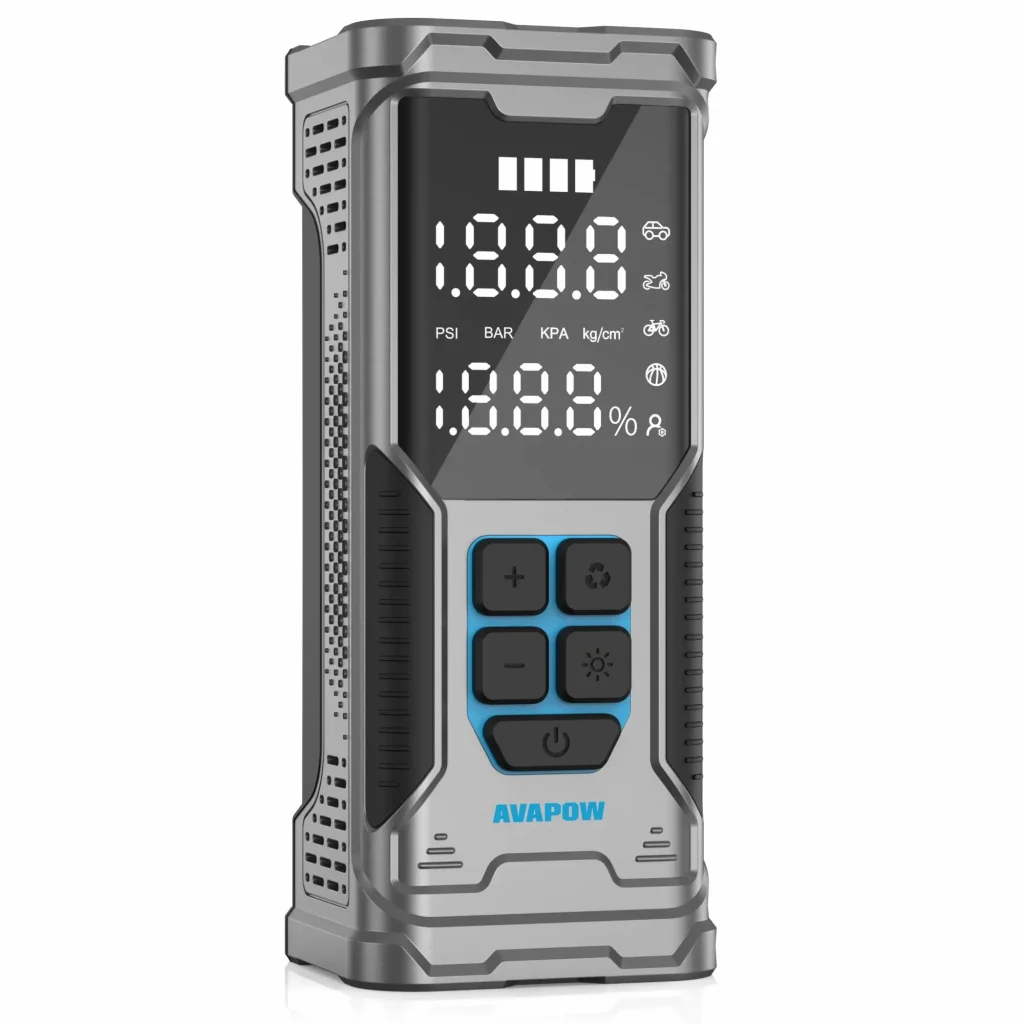
A portable tire inflator with a digital gauge makes pressure checks quick and easy.
👉 A compact option like the AVAPOW cordless inflator lets you maintain proper PSI anywhere without needing a gas station.
Essential Tools to Maintain Tire Pressure
| Tool Type | Best For |
|---|---|
| Portable inflator | Quick roadside fixes |
| Floor pump | Home maintenance |
| Mini pump | Emergency backup |
Common Mistakes That Cause Constant Air Loss
Many riders don’t realize that ongoing air loss is often caused by small habits that add up over time. Fixing these mistakes can dramatically reduce flats and improve your overall riding experience.
Only Inflating When Tires Look Flat
E-bike tires can lose a significant amount of pressure before they visibly look low.
By the time a tire “looks flat,” it’s often already well below the recommended PSI.
Why this matters:
- Increases rolling resistance
- Reduces battery efficiency
- Raises the risk of pinch flats
Better approach:
Check your tire pressure regularly using a gauge, not just by sight or feel.
Ignoring Slow Leaks
A tire that loses air slowly over a day or two usually has a small puncture or valve issue.
Many riders just keep refilling the tire instead of fixing the root cause.
Why this matters:
- Small leaks often turn into full flats
- Can damage the tube or tire over time
- Leaves you at risk of getting stranded
Better approach:
If you’re refilling frequently, inspect the tire and tube and fix the leak early.
Overinflating Past Recommended PSI
Adding too much air might seem like it prevents flats — but it can actually make things worse.
Why this matters:
- Increases risk of blowouts
- Reduces traction and comfort
- Can stress the tire casing
Better approach:
Always stay within the PSI range printed on your tire sidewall.
Not Checking Valves
Valves are a common but overlooked source of air loss.
Loose valve cores, dirt buildup, or worn seals can cause slow leaks that are easy to miss.
Why this matters:
- Air escapes even when the tire looks fine
- Leads to inconsistent pressure levels
- Can mimic a puncture issue
Better approach:
Periodically check that your valve is tight, clean, and properly sealed.
Riding With Underinflated Tires
This is one of the fastest ways to damage your tires and tubes.
Why this matters:
- Increases friction and heat
- Wears out sidewalls faster
- Makes flats much more likely
Better approach:
Keep your tires within the recommended PSI range, especially before longer rides.
Quick Takeaway
Most tire problems aren’t caused by one big issue — they’re caused by small habits repeated over time.
Staying consistent with pressure checks and basic maintenance is one of the easiest ways to:
- Prevent flats
- Extend tire lifespan
- Improve ride quality
These mistakes increase flat risk and reduce tire lifespan.
Which Tire Type Are You Using?
Not all e-bike tires behave the same. The type of tire you’re using plays a big role in how quickly it loses air and how often you need to check pressure.
Commuter Tires → Higher PSI for Efficiency
Commuter and city tires are typically narrower with smoother tread patterns.
What to expect:
- Higher PSI ranges (usually 50–70 PSI)
- Better rolling efficiency
- Slower air loss compared to low-pressure tires
Why it matters:
These tires are designed for pavement and speed, so running them at the correct pressure helps maximize range and reduce wear.
If your commuter tires keep losing air, it’s usually due to:
- Small punctures
- Valve issues
- Normal pressure loss over time
Fat Tires → More Pressure Fluctuation
Fat tire e-bikes (4-inch or wider tires) run at much lower PSI.
What to expect:
- Lower PSI ranges (15–30 PSI)
- Noticeable pressure changes with temperature
- Faster “feel” of air loss
Why it matters:
Because fat tires operate at lower pressure, even small changes can feel dramatic.
This often leads riders to think they have a leak when it’s actually:
- Normal pressure fluctuation
- Temperature-related PSI changes
Off-Road / Mountain Tires → Adjust for Terrain
Off-road tires are built for grip and adaptability.
What to expect:
- Mid-range PSI (25–50 PSI)
- Pressure adjusted based on terrain
- More frequent pressure changes
Why it matters:
Lower PSI improves traction on trails, but increases the risk of:
- Pinch flats
- Sidewall wear
If you ride mixed terrain, you may need to adjust pressure more often than road riders.
Use the Right Tools to Prevent Flats
Keeping your tires properly inflated is one of the easiest and most effective ways to avoid flats and extend tire life.
Why tools matter more than most riders think
Many tire issues come down to inconsistent pressure — and that usually happens because riders don’t have the right tools available when they need them.
With the right setup, you can:
- Check PSI accurately in seconds
- Top off air before every ride
- Catch slow leaks early
- Avoid emergency roadside flats
Essential tools every e-bike rider should consider
- Portable tire inflator → Quick, convenient pressure checks anywhere
- Floor pump with gauge → Accurate inflation at home
- Mini pump → Backup for emergencies
👉 A compact inflator (like the one mentioned above) is especially useful because it removes the friction of having to find a pump or gas station.
Want tools that make maintenance easier and more accurate?
Explore calculators, tools, and smart guides in the e-bike tools hub
When It’s More Than Just Air Loss
If your tires keep losing air even after checking pressure and fixing leaks, the issue may be deeper than a simple puncture.
⚠️ Possible underlying causes
Rim damage
- Bent or dented rims can prevent a proper seal
- Often caused by potholes or hard impacts
Incorrect tube size
- Tubes that are too small or too large won’t hold air properly
- Can lead to repeated flats
Installation issues
- Pinched tubes during installation
- Misaligned tires
- Improper seating on the rim
What to do
If you’ve already:
- Checked for punctures
- Verified valve condition
- Maintained proper PSI
…and the problem continues, it may be time to:
- Replace the tube
- Inspect the rim
- Or have a bike shop take a closer look
Which Fix Should You Start With?
If you’re not sure what’s causing the problem, use this quick guide to narrow it down:
Flat overnight → Check for punctures
- Most likely cause: small hole or debris
- Start by inspecting the tire and tube
Slow leak over time → Check valve or PSI
- Could be a loose valve or natural pressure loss
- Recheck pressure and inspect valve
Frequent flats → Check tire condition
- Worn or damaged tires are more prone to flats
- Look for bald tread or cracks
Pressure changes with weather → Temperature effect
- Normal behavior, especially with fat tires
- Adjust PSI as temperatures change
Quick takeaway
Start with the simplest explanation first:
Most issues come down to punctures, pressure, or valves
Fix those before assuming a bigger problem.
FAQs
Usually a small puncture or valve leak.
Yes, but frequent loss means a problem.
Yes, but monitor PSI carefully.
Yes, due to added weight and stress.
Final Thoughts
Most air loss issues come down to a few simple causes. Once you fix them, your rides become smoother, safer, and more efficient.
Maintaining proper tire pressure improves:
- Safety
- Performance
- Battery range
This page may contain affiliate links. We may earn a commission at no extra cost to you if you make a purchase. We only recommend products we believe are useful and relevant for riders.

Kristina is not just an enthusiast but a true authority on electric bikes. Nestled in the coastal beauty of Virginia, Kristina has found the perfect backdrop for her passion for electric biking. As a dedicated wife and homeschooling mom, her life revolves around family, faith, and the thrill of adventure.
Originally hailing from Ohio, Kristina's journey with electric bikes began as a curiosity and quickly evolved into a deep expertise. Her blog is a testament to her love for electric biking, combining her fascination for eco-friendly transportation with her coastal lifestyle.
When she's not cruising the beach on her electric bike, you'll find Kristina indulging in her other loves: long walks along the shore, getting lost in a good book, and cherishing moments with her loved ones. With a heart as big as her love for animals, especially cats, Kristina brings a unique perspective to the electric bike world, grounded in her strong faith in God and her dedication to a sustainable lifestyle.
Through her blog, Kristina shares her extensive knowledge of electric bikes, offering valuable insights, tips, and recommendations to fellow enthusiasts. Whether you're a seasoned rider or a newcomer to the electric bike scene, Kristina's blog is your go-to source for all things electric biking, fueled by her passion, expertise, and the scenic beauty of coastal Virginia.