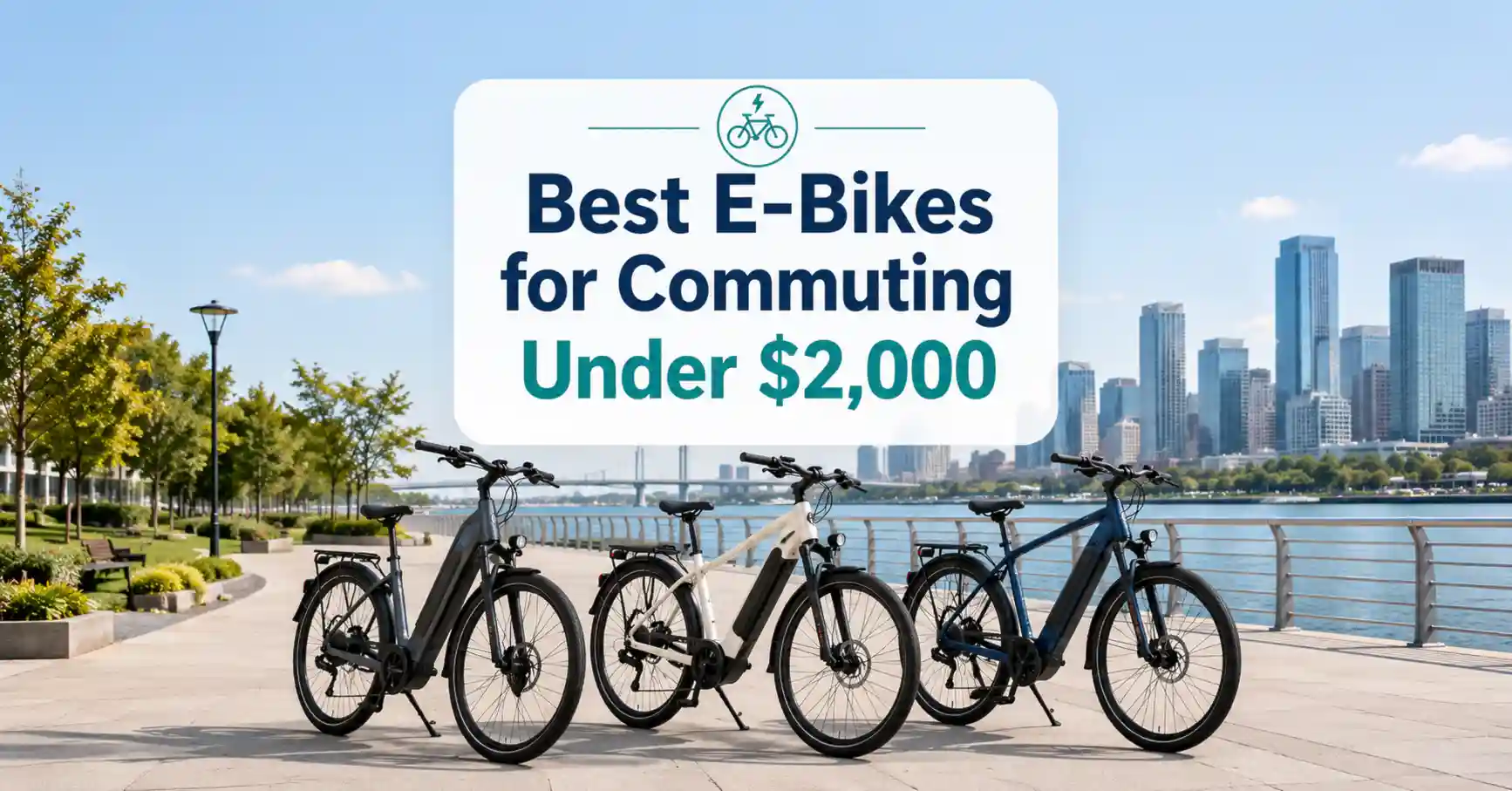
Best E-Bikes for Commuting Under $2,000: 9 Picks for 2026
Last Updated on September 19, 2026 by Kristina
📚 Research-based buying guide: I have not personally tested every bike in this guide. These recommendations are based on current manufacturer specifications, safety documentation, warranty and return policies, independent testing, service information, and available rider feedback.
Introduction
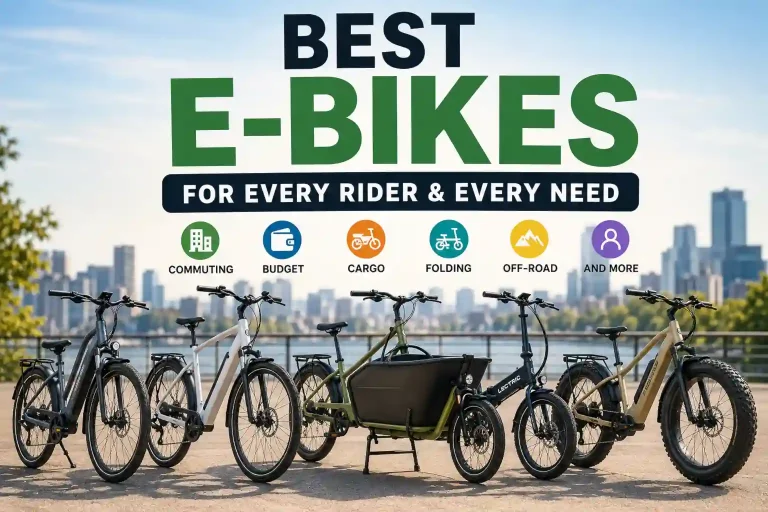
If you are shopping for an electric bike for work, errands, or everyday transportation, you do not need to spend $3,000 or more to get a capable commuter. The best e-bikes for commuting under $2,000 now include everything from lightweight city bikes to full-size Class 3 commuters, folding models, high-payload bikes, and even cargo options.
I compared current models from nine different brands so this guide does not overrepresent one manufacturer. If you are still learning what motor size, battery capacity, fit, brakes, and riding class mean, start with my complete e-bike buying guide. You can also compare more purpose-built options in my commuter e-bike guide.
Price and specification check: Prices, availability, specifications, colors, bundles, financing, and promotions were checked on August 15, 2026. They can change, so confirm the current information on the manufacturer page before purchasing.
⭐ Quick Picks: Best Commuter E-Bikes Under $2,000
- Best Overall: Velotric Discover 3
- Best Security and Smart Features: Aventon Level 4 REC
- Best Value Full-Size Commuter: Lectric XPress2
- Best Lightweight Commuter: Ride1Up Roadster v3
- Best Folding Commuter: MOD City + 3
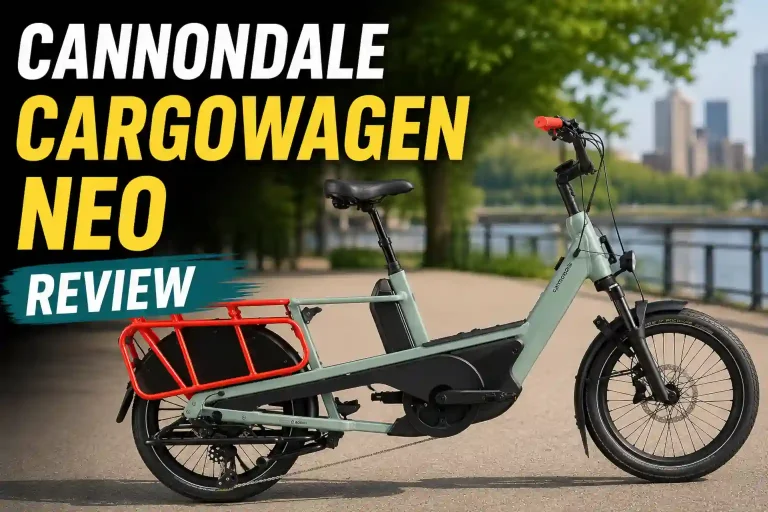
- Best Dealer-Supported Commuter: Cannondale Adventure Neo Allroad EQ
- Best Budget Commuter: Retrospec Beaumont Rev 3
- Best High-Payload Everyday Commuter: Mokwheel Asphalt
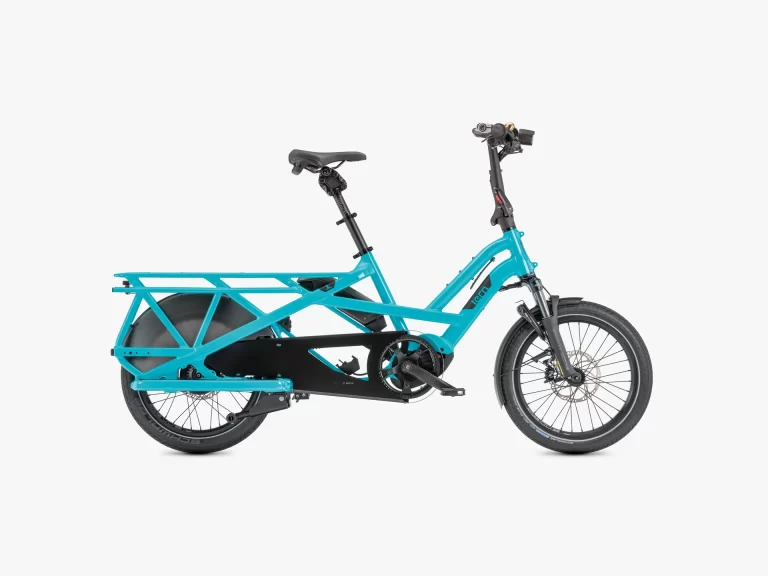
- Best Cargo Commuter: Troxus Lynx Cargo
👉 Short on time?
See today’s e-bike deals and limited-time discounts, then compare top picks below.
Comparison Chart
| Bike | Price Checked | Weight | Motor | Battery | Payload | Fit / Size Notes | Best Strength | Main Tradeoff |
|---|---|---|---|---|---|---|---|---|
| Velotric Discover 3 | $1,999 | 61 lb | 750W, 75Nm | 730Wh | 440 lb max bike load | Regular 5’2″-5’11”; Large 5’9″-6’7″ with suspension seatpost | Comfort, range, safety features | Heavier than minimalist city bikes |
| Aventon Level 4 REC | $1,799 | 68.5 lb | 750W, 80Nm | 733Wh | 300 lb total limit | Regular 5’3″-5’10”; Large 5’10”-6’4″ | Security tech and strong performance | Heavy; connected features add complexity |
| Lectric XPress2 | $1,399 | 60 lb without battery | 750W, 85Nm | 672Wh | 330 lb | 5’4″-6’4″ for Commuter version | Value and hill-friendly power | Weight is listed without battery |
| Ride1Up Roadster v3 | From $1,395 | 39 lb listed | 500W, 50Nm | 360Wh | Check current configuration | Multiple frame sizes and low-step option | Light weight and natural handling | Smaller battery than heavier commuters |
| MOD City + 3 | $1,799 sale | 62 lb without battery; battery 7.5 lb | 750W, 69Nm | 720Wh | 275 lb | Manufacturer lists 5’2″-6’9″ | Folding design with full commuter equipment | Foldable does not mean lightweight |
| Cannondale Adventure Neo Allroad EQ | $1,589 sale shown; $1,875 regular | Not clearly listed on current U.S. page | 250W Bafang hub | 418Wh | Rear rack rated 25 kg; confirm rider limit with dealer | Multiple sizes; standard and low-step versions | Bike-shop assembly and dealer support | Out of stock online when checked |
| Retrospec Beaumont Rev 3 | $999.99 | 57.5 lb including battery | 350W | 360Wh | 350 lb recommended limit | 5’0″-5’10” | Low price with rack and fenders included | Mechanical brakes and cadence sensor |
| Mokwheel Asphalt | $1,499.99 sale | 64 lb | 500W, 70Nm+; 860W peak | 48V 14.7Ah | 350 lb | Check current geometry for your inseam | High payload, comfort, rack and fenders | Battery page says it complies with UL standards, not a full-bike UL 2849 claim |
| Troxus Lynx Cargo | $1,999 sale | 80.5 lb | 750W Bafang, 86Nm | 960Wh | 500 lb maximum load | Universal cargo frame; verify fit before ordering | Cargo capacity and large battery | Very heavy and sale price may change |
How I Chose These E-Bikes
This is a research-based buying guide. I compared current manufacturer specifications, manuals and support information where available, safety certification language, warranty and return information, included commuter equipment, fit ranges, and independent testing. I also checked whether each bike still fits the under-$2,000 price ceiling.
I gave extra weight to practical commuter features: predictable pedal assist, hydraulic braking where available, removable batteries, useful range, racks and fenders, lighting, fit options, manageable weight, replacement-part support, and clear safety certification claims. A bike did not rank higher simply because it has a larger motor or a higher claimed range.
🔎 Why You Can Trust This Guide
I compare official specifications, safety information, independent testing, support policies, and real-world rider feedback. Affiliate relationships do not determine which products I recommend or how they are ranked. You can read more about how Electric Bike Explorer reviews and ranks e-bikes.
Want to See More Electric Bike Explorer in Google Search?
Add Electric Bike Explorer as a preferred source to see more of our e-bike law guides, safety updates, reviews, buying guides, and troubleshooting posts when they are relevant to your searches.
1. Velotric Discover 3 – Best Overall Commuter E-Bike Under $2,000
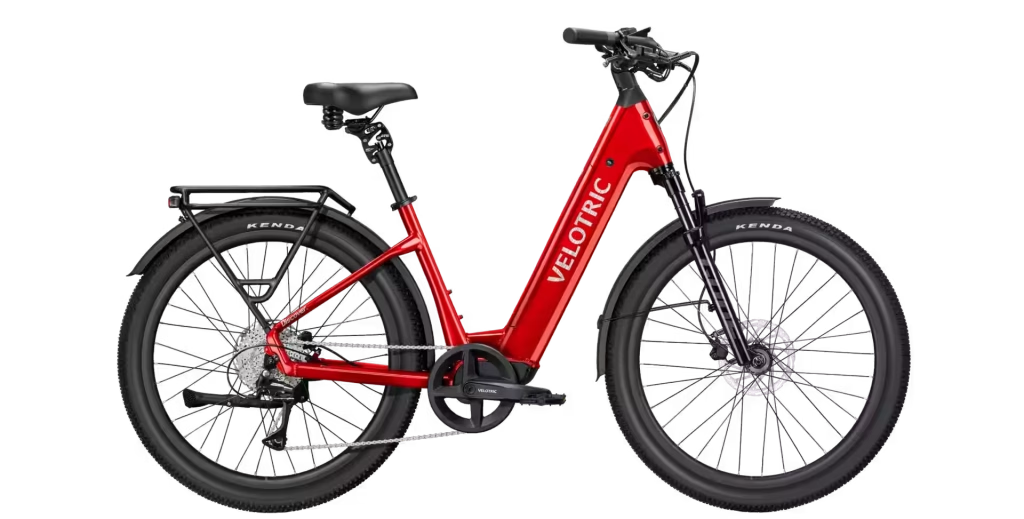
Best for: Riders who want a comfortable, feature-rich commuter with strong range, high payload capacity, and a wide fit range.
Velotric’s Discover 3 is my best overall pick because it combines commuter practicality with comfort instead of chasing only power. The official specifications list a 750W rear-hub motor with 75Nm of torque, a 730Wh battery, hydraulic disc brakes, an air-suspension fork, suspension seatpost, integrated lights, fenders, and a rear rack.
The manufacturer claims up to 80 miles of pedal-assist range. Real-world range will depend on rider weight, terrain, temperature, speed, tire pressure, wind, and assist level. Velotric lists the bike at 61 lb and a 440 lb maximum bike load capacity.
Electrical safety documentation is also unusually clear for this price: Velotric lists UL 2849 for the e-bike system and UL 2271 for the battery. Independent testing by Electric Bike Report also found the Discover 3 comfortable and capable as a commuter/cruiser.
Why It Stands Out
- Strong balance of comfort, power, range, and commuter equipment
- Torque/cadence sensor switching
- High listed load capacity
- UL 2849 and UL 2271 claims are clearly stated
- Rack, fenders, lights, and suspension seatpost included
Tradeoffs
- 61 lb is substantial if you need to carry the bike upstairs
- The tall suspension seatpost can affect fit for shorter riders, although Velotric lists a lower height range with a standard seatpost
Read my full review of the Velotric Discover 3
2. Aventon Level 4 REC – Best Security and Smart Features
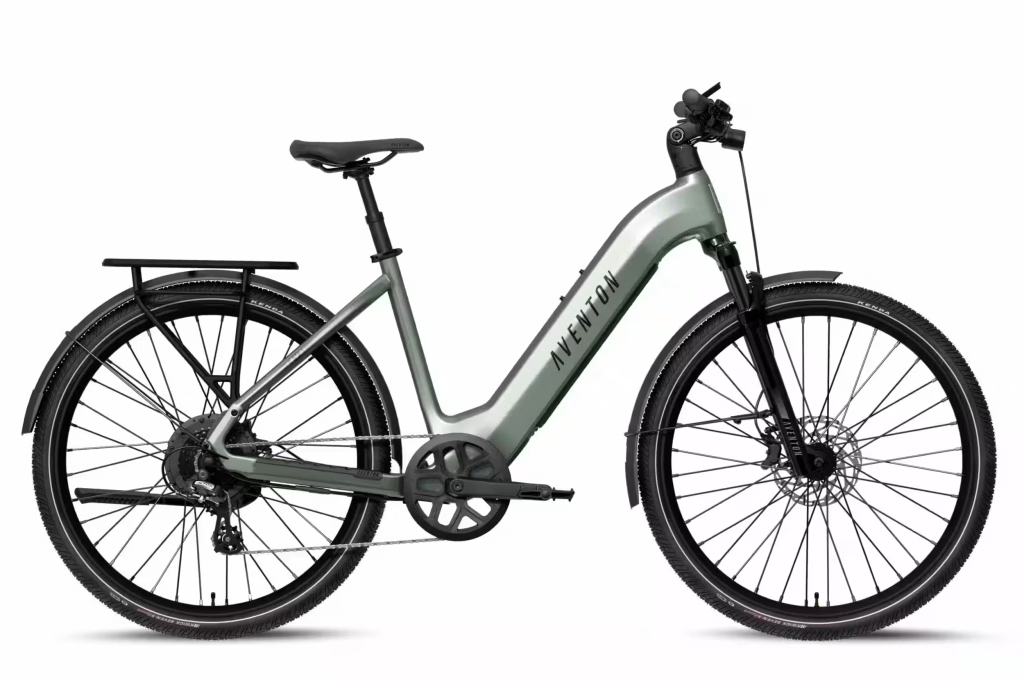
Best for: Commuters who park in public places and want integrated tracking, electronic locking features, strong hill performance, and a large battery.
The Level 4 REC is one of the most technology-heavy commuters in this price range. Aventon’s current specifications list a 750W hub motor with 80Nm of torque, 733Wh removable battery, hydraulic disc brakes, integrated lights, rack and fenders, regenerative braking, GPS/4G connectivity, e-lock, remote notifications, and unusual-activity detection.
Aventon lists the bike at 68.5 lb with a 300 lb total weight limit and manufacturer-claimed range up to 75 miles. The Level 4 REC is Class 2 as sold and can be converted to Class 3 where permitted. The product page lists UL 2849 safety certification.
Why It Stands Out
- Integrated GPS, 4G, e-lock, and activity detection
- Powerful motor and strong hill capability
- Large 733Wh battery
- Rack, fenders, lights, and hydraulic brakes included
Tradeoffs
- At 68.5 lb, it is one of the heavier conventional commuters here
- Connected features add another layer of setup and ownership complexity
- Always check current subscription terms for cellular-connected features before buying
Read my full review of the Aventon Level 4 REC
3. Lectric XPress2 – Best Value Full-Size Commuter

Best for: Riders who want strong performance, hydraulic brakes, a large battery, and adjustable pedal-response behavior without using the full $2,000 budget.
The XPress2 gives you a lot of commuter hardware for $1,399. Lectric lists a 750W rear-hub motor with 85Nm of torque, 672Wh removable battery, hydraulic disc brakes, an 80mm SR Suntour fork, 8-speed drivetrain, and the ability to switch between torque-style and cadence-style pedal response.
The battery is listed as UL 2271 certified and the complete XPress2 as UL 2849 certified. Lectric claims up to 60 miles of range. One specification needs context: the company lists bike weight as 60 lb without the battery, so do not compare that number directly with competitors that publish ready-to-ride weight.
Why It Stands Out
- Excellent component package for the price
- 750W motor with strong listed torque
- Torque/cadence response switching
- Hydraulic brakes and front suspension
- UL 2849 and UL 2271 certification language is explicit
Tradeoffs
- Not a lightweight commuter
- The Commuter frame is aimed at taller riders than some step-through alternatives
- Review Lectric’s current return terms carefully before ordering
Read my full review of the Lectric Xpress 2
4. Ride1Up Roadster v3 – Best Lightweight Commuter

Best for: Apartment dwellers, riders who need to lift their bike, and commuters who want an e-bike that feels more like a conventional city or fitness bike.
The Roadster v3 takes a different approach from most bikes here. Ride1Up lists it at about 39 lb in its standard comparison chart, with a 500W Mivice rear-hub motor, 50Nm of torque, a 360Wh removable battery, torque sensing, hydraulic disc brakes, and Class 1-3 capability depending on configuration and settings.
The battery is listed as UL 2271 certified through TUV and the e-bike as ANSI/CAN/UL 2849 certified through TUV. Independent testing has consistently highlighted the Roadster v3’s nimble handling and natural-feeling assist.
Why It Stands Out
- Much lighter than most full-power commuter e-bikes
- Natural torque-sensor response
- Hydraulic brakes and quality city-bike components
- Clean, less bulky appearance
Tradeoffs
- Smaller battery means less range reserve than 700Wh-plus commuters
- Minimalist design means some commuter accessories may need to be added separately
- Steep hills may favor a heavier, higher-torque bike
Read my full review of the Ride1UP Roadster V3
5. MOD City + 3 – Best Folding Commuter
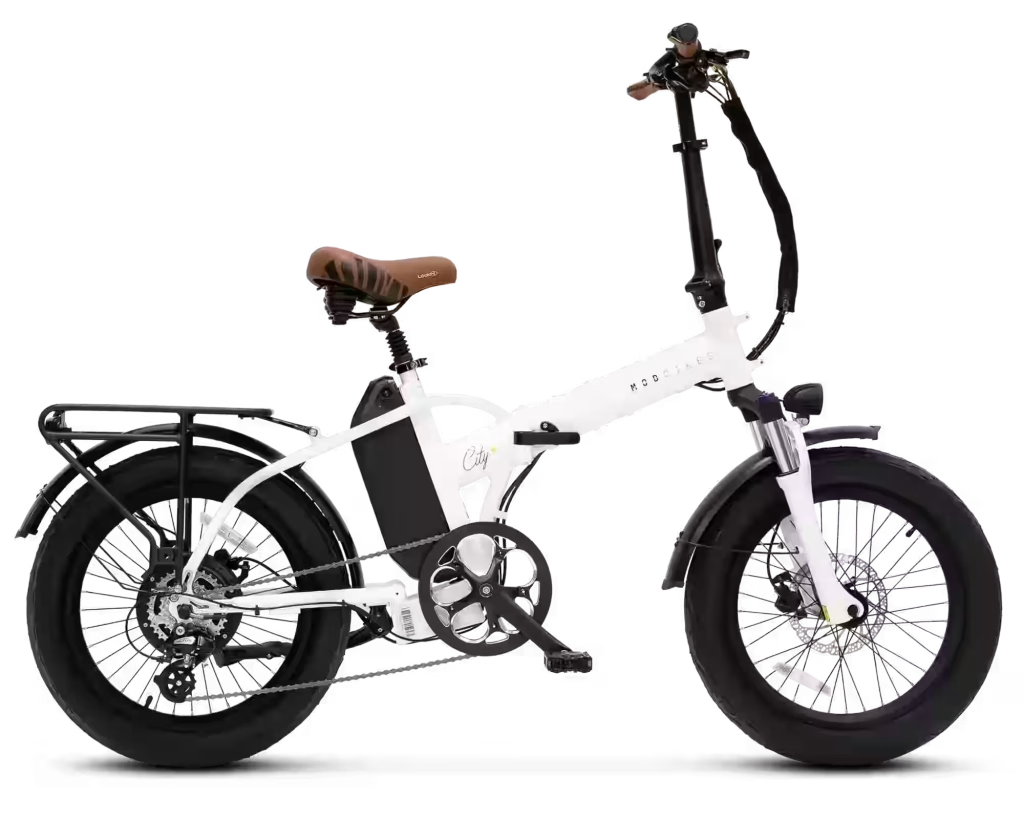
Best for: Riders who need a bike that folds for storage, RV use, a vehicle, or a compact home but still want full-size commuter power and comfort.
The MOD City + 3 stands out because it is a folding bike without the tiny-battery, low-power feel that sometimes comes with compact designs. MOD currently lists a 750W geared hub motor with 69Nm of torque, 720Wh Samsung-cell battery, torque sensor, hydraulic brakes, 50mm front suspension, suspension seatpost, lights, and full fenders.
The battery is described as tested by SGS as compliant with UL 2271. MOD lists a 275 lb payload capacity, a rider-height range of 5’2″ to 6’9″, 62 lb bike weight without the battery, and a 7.5 lb battery. That means it folds, but it is not a light bike to carry.
Why It Stands Out
- Folds for storage and transport
- Large 720Wh battery for a folding commuter
- Torque sensor and hydraulic brakes
- Optional dual-battery setup
Tradeoffs
- Roughly 69.5 lb with the listed battery weight added
- Current $1,799 price is promotional and can change
- Battery compliance language is not the same as a full-bike UL 2849 certification claim
6. Cannondale Adventure Neo Allroad EQ – Best Dealer-Supported Commuter
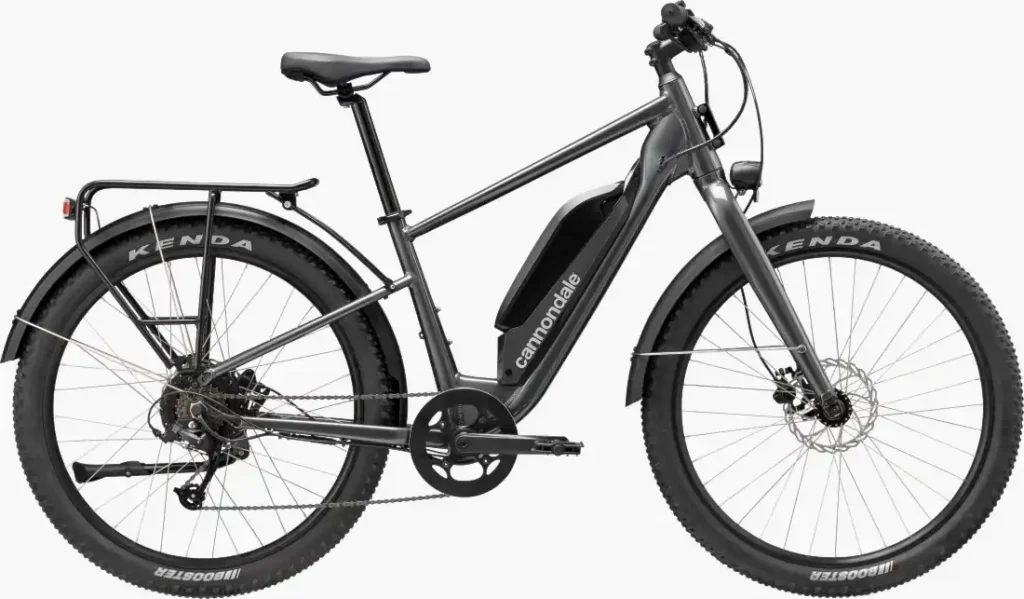
Best for: Riders who prefer buying through a traditional bicycle brand and local bike shop rather than relying mainly on direct-to-consumer service.
The Adventure Neo Allroad EQ is intentionally less powerful than many direct-to-consumer bikes in this list, but it brings a different ownership experience. Cannondale specifies a 250W Bafang rear-hub motor, 418Wh removable battery, torque sensor, Tektro hydraulic disc brakes with 180mm rotors, 7-speed drivetrain, integrated lights, fenders, kickstand, and rear rack.
The manufacturer claims up to 47 miles of range and electric assist up to 20 mph. Cannondale’s U.S. page showed a $1,589 sale price against a $1,875 regular price when checked, but it was also marked out of stock online. Local dealer inventory can differ, so this recommendation is best for shoppers willing to check nearby Cannondale retailers.
Why It Stands Out
- Local bike-shop assembly and service model
- Torque sensor and hydraulic disc brakes
- Rack, fenders, lights, and kickstand included
- Standard and low-step frame choices
Tradeoffs
- Out of stock online when checked
- 250W motor is less powerful on paper than the 500W-750W hub motors in much of this guide
- Current U.S. page does not present some weight and total-payload information as clearly as other manufacturers
7. Retrospec Beaumont Rev 3 – Best Budget Commuter
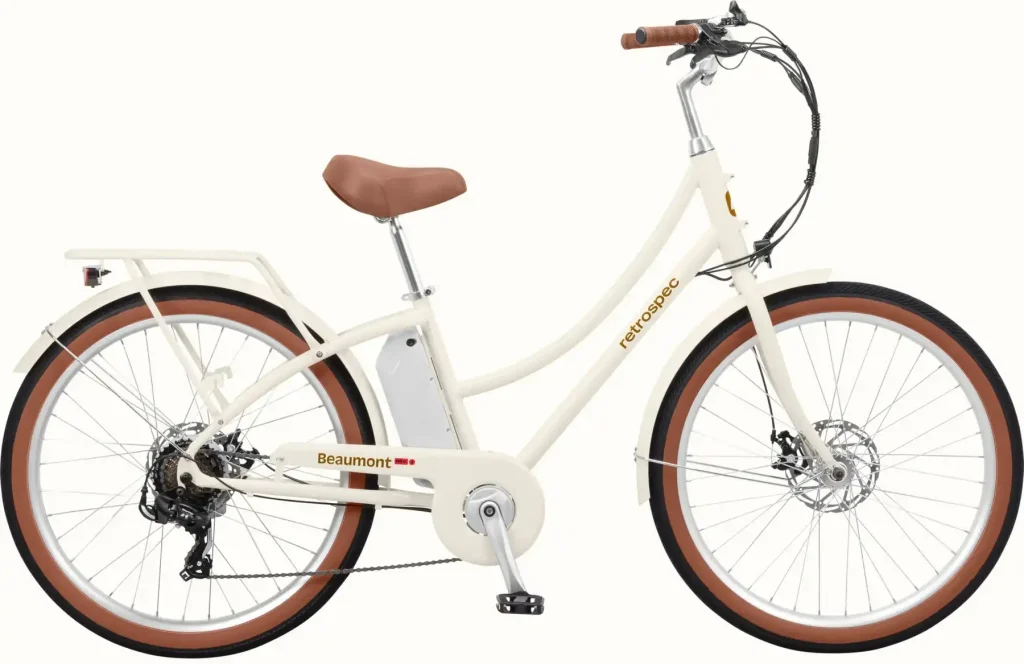
Best for: Riders who want a complete step-through city e-bike around $1,000 and do not need Class 3 speeds or premium components.
At $999.99 when checked, the Beaumont Rev 3 is the lowest-priced bike in this guide. Retrospec lists a 350W rear-hub motor, 360Wh battery, Class 2 operation up to 20 mph, up to 42 miles of manufacturer-claimed range, 7-speed Shimano drivetrain, mechanical disc brakes, rear rack, full fenders, integrated headlight, and bell.
Retrospec lists UL 2849 and UL 2271 certification, a 350 lb recommended weight limit, 57.5 lb bike weight including the battery, and a 5’0″ to 5’10” rider-height range.
Why It Stands Out
- True sub-$1,000 commuter price
- Rack and full fenders included
- UL certification claims are clearly stated
- Accessible step-through frame
Tradeoffs
- Mechanical disc brakes require more hand effort and adjustment than good hydraulic brakes
- Cadence sensor is less natural-feeling than a well-tuned torque sensor
- Smaller battery and 350W motor are better suited to moderate commutes than high-speed, steep-hill riding
8. Mokwheel Asphalt – Best High-Payload Everyday Commuter

Best for: Riders who want a comfortable full-size commuter with a 350 lb listed payload, strong motor assistance, front suspension, rack, and fenders.
Mokwheel’s Asphalt is built specifically around urban riding. The company currently lists a 500W continuous motor with 860W peak output and 70Nm+ torque, a 48V 14.7Ah removable battery, torque-plus-cadence sensing, Tektro hydraulic disc brakes, 100mm front suspension, 64 lb bike weight, and 350 lb payload.
The manufacturer claims 50 to 60 miles of range. One safety-certification detail needs careful wording: the product page says the battery complies with UL standards. I would not treat that wording as proof that the complete Asphalt e-bike is independently UL 2849 certified.
Why It Stands Out
- 350 lb listed payload capacity
- Torque and cadence sensing
- Hydraulic disc brakes
- Rack and fenders included
- Comfort-oriented 2.4 in. tires and front suspension
Tradeoffs
- 64 lb is substantial for apartment storage
- Certification wording is less specific than brands that explicitly identify UL 2849 and UL 2271 certification
- Sale pricing can change
Read my full review of the Mokwheel Asphalt
9. Troxus Lynx Cargo – Best Cargo Commuter Under $2,000
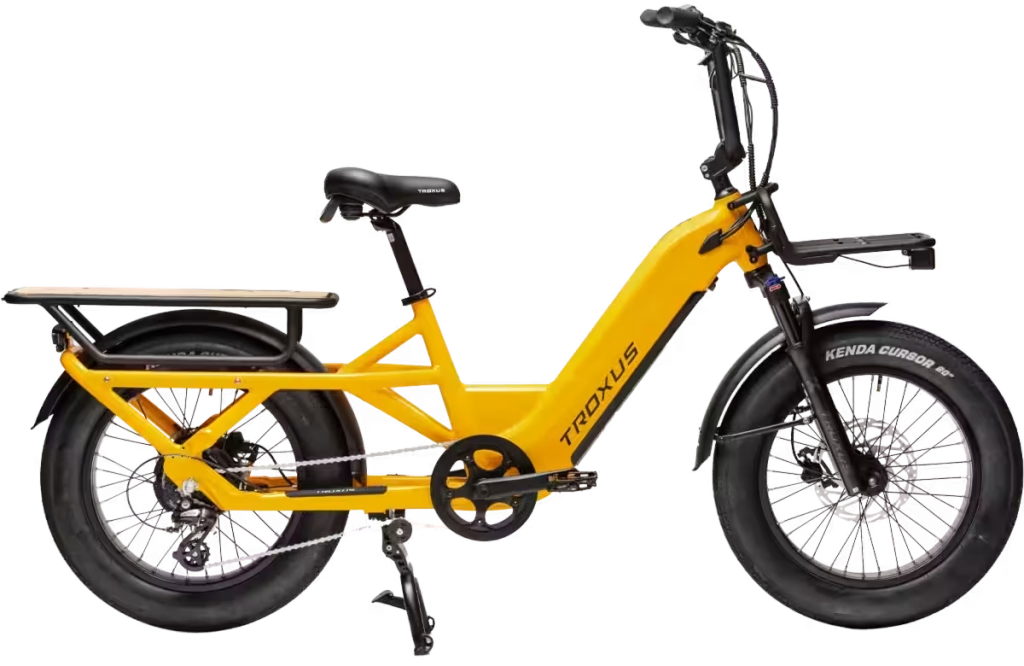
Best for: Riders who want to replace more car trips with groceries, equipment, or family cargo and can manage a very heavy bike.
The Lynx Cargo is the specialty pick in this guide. Troxus currently lists a $1,999 sale price, 500 lb maximum load, 80.5 lb bike weight, 750W Bafang hub motor with 86Nm of torque, 960Wh Samsung-cell battery, hydraulic disc brakes, integrated front and rear racks, lighting and turn signals, and switchable torque/cadence sensing.
Troxus lists the complete bike as UL 2849 certified and the battery as UL 2271 certified. The manufacturer claims up to 90 miles per charge, but cargo weight, speed, hills, temperature, and assist level can reduce real-world range substantially.
Why It Stands Out
- 500 lb maximum load
- Large 960Wh battery
- 750W motor and 86Nm listed torque
- Hydraulic brakes and integrated cargo racks
- UL 2849 and UL 2271 certification claims
Tradeoffs
- 80.5 lb is difficult to lift and demands secure ground-level storage
- The $1,999 price was a sale price when checked
- A cargo bike takes more parking space and handles differently when heavily loaded
How to Choose a Commuter E-Bike Under $2,000
Start With Fit, Not Motor Wattage
A powerful bike that does not fit you is a bad commuter. Check the manufacturer’s rider-height range, standover height, minimum saddle height, reach, and frame style. If you are between sizes or have mobility concerns, use my e-bike size calculator as a starting point and confirm fit with the manufacturer or dealer.
Think About the Route You Actually Ride
Long hills, heavy cargo, frequent stop-and-go riding, and higher rider weight usually increase the value of more torque and a larger battery. A flatter 4-mile city commute may be better served by a lighter Roadster-style bike than an 80 lb cargo machine.
Compare Watt-Hours, Not Just Battery Voltage
Battery capacity is easier to compare in watt-hours. A larger Wh number generally gives you more energy storage, but efficiency varies by motor, tires, terrain, rider input, speed, temperature, and load. If battery terminology is confusing, read my guide to e-bike battery capacity and watt-hours.
Do Not Ignore Bike Weight
Commuter e-bikes in this guide range from roughly 39 lb to more than 80 lb. If you have stairs, a wall-mounted rack, a bus rack, or limited storage, bike weight may matter more than maximum range. Folding bikes also deserve special attention: a bike can fold and still be too heavy to carry comfortably.
Prioritize Braking for Faster and Heavier Bikes
Hydraulic disc brakes are not mandatory for every city bike, but I strongly prefer them on faster, heavier, and cargo-oriented e-bikes. Rotor size, tire grip, bike weight, load, and brake maintenance all affect stopping performance.
Check Safety Certification Carefully
Do not assume every mention of UL means the same thing. UL 2849 applies to an e-bike electrical system, while UL 2271 applies to batteries. Wording such as “tested to,” “complies with,” and “certified” should not automatically be treated as interchangeable. For a category-focused list, see my guide to UL-certified e-bikes.
Check Warranty, Returns, and Replacement Parts Before Paying
A commuter is transportation, so downtime matters. Read the current warranty and return policy, check whether a local dealer can service the bike, and look for replacement batteries, controllers, displays, brake parts, tires, and chargers. A cheaper bike can become expensive if essential parts are hard to obtain.
Essential E-Bike Gear (Quick Picks)
Before you choose your e-bike, these are the accessories most riders end up needing for safety and everyday use:
Common Commuter E-Bike Buying Mistakes
- Buying for maximum advertised range: Manufacturer range claims are usually based on favorable conditions. Plan a safety margin for hills, cold weather, higher assist levels, wind, and heavier loads.
- Ignoring the bike’s weight: A 70-80 lb e-bike can be excellent on the road and miserable on stairs.
- Assuming folding means portable: The MOD City + 3 folds, but its listed bike and battery weights still make it a substantial lift.
- Choosing motor power before fit: Correct reach, saddle height, standover, and frame access matter every day.
- Forgetting racks and fenders: A cheap bike can become less of a bargain after adding commuter equipment.
- Not checking local e-bike rules: Class 3 access can differ from Class 1 or Class 2 access. Check the state-by-state e-bike law guide before assuming where a faster bike can be ridden.
- Assuming all certification wording is equal: Verify what was actually certified and whether the claim applies to the complete bike, the battery, or another component.
Frequently Asked Questions
How much should I spend on a commuter e-bike?
For many riders, roughly $1,000 to $2,000 is a strong value range. Around $1,000 you can find functional city bikes such as the Beaumont Rev 3. Moving toward $1,500-$2,000 can buy better brakes, larger batteries, torque sensors, security features, higher payload limits, better suspension, and stronger support.
Is a 750W motor necessary for commuting?
No. A 250W or 350W motor can work well for lighter riders and flatter routes. A 500W-750W hub motor becomes more useful for steep hills, heavier loads, faster Class 3 riding, and frequent starts in traffic.
How much battery do I need for a daily commute?
Calculate your round-trip mileage and give yourself a meaningful reserve. If your route is 20 miles round trip, buying a bike whose claimed maximum is only slightly higher can leave too little margin for hills, cold weather, battery aging, and high assist levels.
Are folding e-bikes good for commuting?
They can be excellent when storage space is the main problem. Measure the folded dimensions and check the actual weight before buying. A folding bike that weighs nearly 70 lb may fit in a trunk but still be difficult to carry up stairs or onto transit.
Which commuter e-bike is best for carrying groceries or a child?
A true cargo bike such as the Troxus Lynx Cargo is better suited to major loads than adding too much weight to a conventional rear rack. Always follow the bike’s total payload, rack, passenger, child-seat, and accessory limits.
Should I buy from a direct-to-consumer brand or a local bike shop?
Direct-to-consumer brands often offer more motor and battery capacity for the money. Traditional dealer brands can make assembly, fit help, warranty work, and ongoing service easier. The better choice depends on how comfortable you are maintaining a bike and how important local service is to you.
My Take
For most commuters under $2,000, I would start with the Velotric Discover 3. It has the strongest all-around combination of comfort, battery capacity, fit options, payload, safety certification language, and included everyday equipment.
The Aventon Level 4 REC makes more sense if theft deterrence and connected security are major priorities. The Lectric XPress2 is my value choice for riders who want substantial power and commuter hardware for less money. If stairs and bike weight dominate your decision, the Ride1Up Roadster v3 is in a completely different class from the heavier bikes here.
For special cases, choose the bike around the job. The MOD City + 3 folds for compact storage, the Cannondale Adventure Neo Allroad EQ adds traditional dealer support if you can find local inventory, the Retrospec Beaumont Rev 3 keeps the budget near $1,000, the Mokwheel Asphalt supports a higher listed everyday payload, and the Troxus Lynx Cargo is the clear choice here for serious hauling.
Before buying, recheck the current price, stock, rider fit, battery and certification details, warranty, return policy, class settings, and local riding rules. Those details can matter more to daily ownership than a small difference in advertised range.
Disclosure: As an Amazon Associate, I earn from qualifying purchases. This comes at no extra cost to you and helps support the content on this site.
Prices and specifications can change. Confirm current product details, stock, policies, and local e-bike laws before purchasing or riding.

Kristina is not just an enthusiast but a true authority on electric bikes. Nestled in the coastal beauty of Virginia, Kristina has found the perfect backdrop for her passion for electric biking. As a dedicated wife and homeschooling mom, her life revolves around family, faith, and the thrill of adventure.
Originally hailing from Ohio, Kristina's journey with electric bikes began as a curiosity and quickly evolved into a deep expertise. Her blog is a testament to her love for electric biking, combining her fascination for eco-friendly transportation with her coastal lifestyle.
When she's not cruising the beach on her electric bike, you'll find Kristina indulging in her other loves: long walks along the shore, getting lost in a good book, and cherishing moments with her loved ones. With a heart as big as her love for animals, especially cats, Kristina brings a unique perspective to the electric bike world, grounded in her strong faith in God and her dedication to a sustainable lifestyle.
Through her blog, Kristina shares her extensive knowledge of electric bikes, offering valuable insights, tips, and recommendations to fellow enthusiasts. Whether you're a seasoned rider or a newcomer to the electric bike scene, Kristina's blog is your go-to source for all things electric biking, fueled by her passion, expertise, and the scenic beauty of coastal Virginia.