
E-Bikes for Preparedness: A Modern Solution for Emergency Mobility
Last Updated on November 12, 2024 by Kristina
In recent years, interest in emergency preparedness has surged, driven by concerns ranging from natural disasters to economic instability. While social media is full of “prepping” content, it’s important to assess what real preparedness looks like. Are we building resilience or emulating what we see in movies? With the unpredictability of emergencies, it’s essential to strike a realistic balance. Preparedness goes beyond stockpiling supplies—mobility plays a crucial role, especially when the unexpected hits and access to resources is disrupted.
In the preparedness world, mobility is often overlooked. The U.S. Army’s motto to “shoot, move, communicate, survive, and sustain” highlights how crucial transport is to resilience. Even if you have a stockpile of supplies, emergencies may demand mobility to access resources, check on loved ones, or evacuate. E-bikes are increasingly popular among preppers as an alternative mode of transportation. Here’s why they’re worth considering and how they stack up against traditional dirt bikes.
E-Bikes vs. Dirt Bikes for Preparedness: The Basics
The typical “go-to” vehicle for off-road and rugged emergency travel has been a dirt bike. Gas-powered dirt bikes are nimble, fast, and can cover challenging terrain, but they come with limitations, including noise and reliance on fuel. Alternatively, e-bikes bring unique advantages: they’re quieter, require no gas, and are easy to use. Each option has strengths and weaknesses, which we’ll explore below to help you decide which best fits your preparedness plan.
1. Fuel and Energy Considerations
In emergencies, fuel scarcity can be a major issue. When hurricanes or other disasters strike, gas stations may lose power, rendering fuel pumps useless. In contrast, e-bikes run on batteries and can be recharged with a portable solar panel setup—a relatively inexpensive, sustainable solution. This is a huge advantage when gas is scarce, as is often the case in widespread emergencies.
That said, e-bikes do have their downsides regarding energy. Charging takes time, and carrying extra batteries can be challenging compared to carrying a spare fuel can for a gas-powered dirt bike. Dirt bikes are convenient for long-distance travel due to the ease of refueling quickly, so the choice comes down to your anticipated travel distances and access to fuel.
2. Durability and Terrain Suitability
When it comes to durability, high-quality e-bikes can withstand rough conditions, but cheaper models may not fare as well in adverse environments. Dirt bikes, even budget models, are typically designed for rough terrains, which can make them more reliable in challenging situations. However, e-bikes have the edge in ease of use—they’re generally lighter, more intuitive to ride, and don’t require knowledge of manual transmissions.
3. Budget and Maintenance
Cost is a significant consideration for anyone looking to add a preparedness vehicle. Dirt bikes can often be acquired at a lower price point than high-performance e-bikes. However, simpler e-bike models cost under $1,000, which may be sufficient for less intense travel needs. While the upfront cost of a high-quality e-bike may be higher, maintenance tends to be cheaper and simpler than for dirt bikes.
4. Weight and Portability
Weight is a critical factor in emergency mobility. E-bikes, especially lightweight models, can weigh as little as 100-150 pounds, making them easier to lift or transport if you need to get around roadblocks or load them on a rack. Dirt bikes tend to be heavier, which could limit portability but offers more stability and traction in rugged conditions. This weight advantage of e-bikes can be beneficial in scenarios that require physical maneuverability, such as lifting the bike over obstacles or moving it by hand.
5. Stealth and Sound Considerations
For preppers concerned with stealth, e-bikes have an edge with their quieter motors. While dirt bikes are loud, e-bikes produce only a faint whine, though this can still attract attention if nearby. The quieter nature of e-bikes can be advantageous in emergency scenarios where noise could draw unwanted attention. However, the novelty of e-bikes in some places may make them more noticeable—so the context of your surroundings is worth considering.
6. Accessibility and Smaller, Affordable E-Bike Options
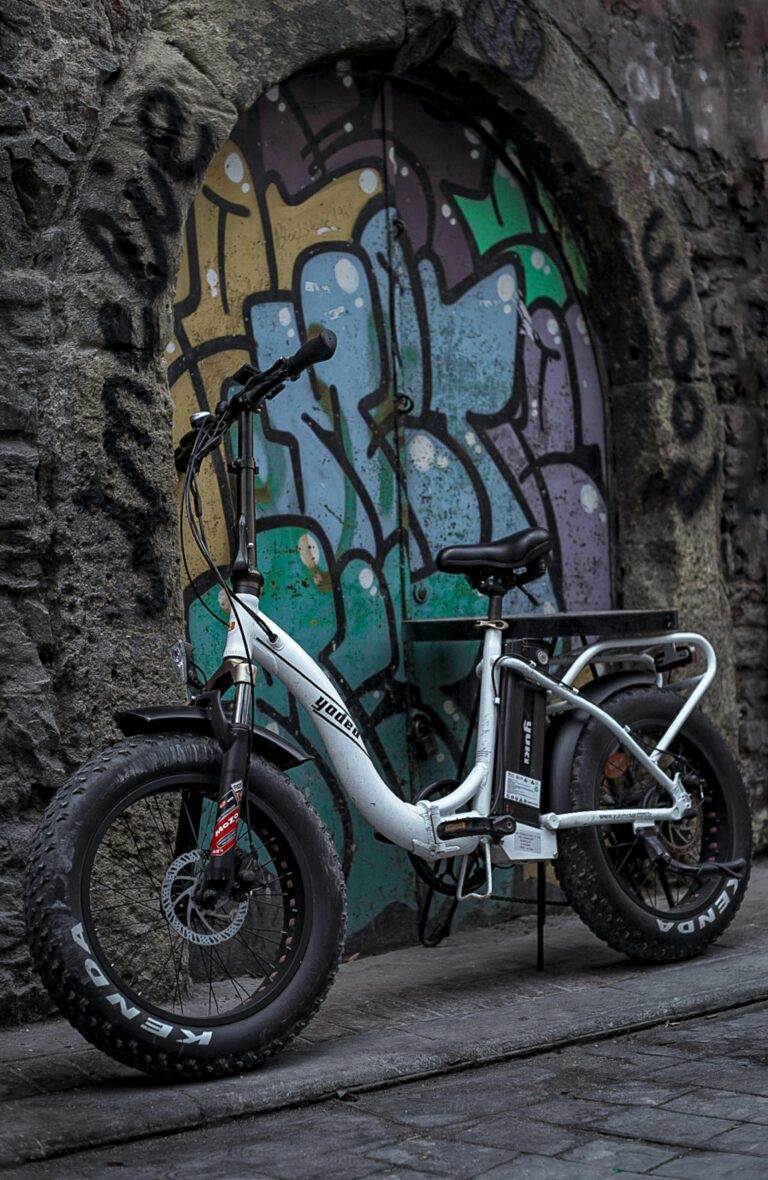
One often-overlooked option is the smaller, more affordable category of e-bikes. While high-performance models are commonly highlighted, basic e-bikes resemble bicycles more than dirt bikes. These are less expensive, easier to carry, and generally easier to maintain. While they’re slower and may not handle rough terrain as well, they offer a lightweight, accessible option for those who don’t need high-speed travel.
Making the Right Choice for Your Needs
Ultimately, the choice between an e-bike and a dirt bike comes down to your specific preparedness goals, anticipated travel distances, and budget. For some, the silent, fuel-independent nature of an e-bike might be perfect for navigating through urban or moderately rough areas. For others, the reliability, speed, and refuelability of a dirt bike might make it the better option.
Both e-bikes and dirt bikes have unique advantages that can suit different emergency scenarios. As with any preparedness plan, it’s essential to evaluate all factors and make an informed choice that matches your needs.
How prepared are you for unexpected situations? Whether it’s for emergencies or sustainable off-grid adventures, e-bikes offer unique advantages for modern preparedness. Tell us—would you choose an e-bike or dirt bike for your emergency plan? Let’s discuss in the comments below!
RELATED CONTENT

Kristina is not just an enthusiast but a true authority on electric bikes. Nestled in the coastal beauty of Virginia, Kristina has found the perfect backdrop for her passion for electric biking. As a dedicated wife and homeschooling mom, her life revolves around family, faith, and the thrill of adventure.
Originally hailing from Ohio, Kristina's journey with electric bikes began as a curiosity and quickly evolved into a deep expertise. Her blog is a testament to her love for electric biking, combining her fascination for eco-friendly transportation with her coastal lifestyle.
When she's not cruising the beach on her electric bike, you'll find Kristina indulging in her other loves: long walks along the shore, getting lost in a good book, and cherishing moments with her loved ones. With a heart as big as her love for animals, especially cats, Kristina brings a unique perspective to the electric bike world, grounded in her strong faith in God and her dedication to a sustainable lifestyle.
Through her blog, Kristina shares her extensive knowledge of electric bikes, offering valuable insights, tips, and recommendations to fellow enthusiasts. Whether you're a seasoned rider or a newcomer to the electric bike scene, Kristina's blog is your go-to source for all things electric biking, fueled by her passion, expertise, and the scenic beauty of coastal Virginia.