5 Signs It’s Time to Replace Your E-Bike Battery
E-bikes have revolutionized the way we commute, providing an efficient and eco-friendly mode of transportation. However, like all electric-powered devices, your e-bike battery will eventually degrade over time. Recognizing the signs that it’s time to replace your e-bike battery can help you maintain optimal performance and avoid unexpected disruptions. In this post, we’ll discuss the key indicators that show your e-bike battery might be nearing the end of its lifespan and what to do about it.
1. Shorter Ride Range
Why Your E-Bike Battery Range Decreases Over Time
One of the most noticeable signs that it’s time to replace your electric bike battery is a reduction in range. Over time, an e-bike battery loses its ability to hold a charge effectively, meaning you’ll need to recharge more frequently. If your e-bike battery is providing significantly less range than it used to, it could indicate that the battery is losing capacity and is nearing the end of its life cycle.
Many factors contribute to this issue, including battery age, temperature, and the number of charging cycles. An e-bike battery typically lasts between 500 and 1,000 full charge cycles, but once it approaches the higher end of that range, performance begins to decline.
2. E-Bike Battery Won’t Hold a Charge
What Happens When Your E-Bike Battery Stops Holding a Charge?
If your e-bike battery is failing to hold a charge for long, it’s a clear sign of battery degradation. This issue may manifest as the battery draining quickly or not charging up to its full capacity. Even after charging overnight, the battery may still show a low charge level or fail to deliver the expected performance.
A battery that no longer holds a charge can often result from an aging battery or damaged cells inside the battery pack. If the issue persists, replacing the battery may be your only option.
3. The Battery Indicator Shows an Inaccurate Charge Level
How to Identify Faulty E-Bike Battery Indicators
Another indication that it might be time to replace your e-bike battery is when the battery indicator shows an inaccurate charge level. If your e-bike battery shows a full charge but depletes rapidly or the indicator jumps erratically, it could mean that the battery cells are no longer functioning properly.
Inaccurate battery indicators can be caused by a variety of issues, including faulty wiring, a bad battery management system (BMS), or simply a degraded battery. If your e-bike’s battery indicator isn’t giving reliable information, it’s a good idea to check the battery’s health with a professional.
4. Reduced Power Output or Slow Acceleration
How Battery Issues Affect Your E-Bike’s Performance
If you notice that your e-bike is sluggish or the motor isn’t responding as quickly as it used to, the issue may lie with the battery. As the battery ages, it will struggle to provide enough power to the motor, resulting in slower acceleration, reduced top speed, or inconsistent performance.
In some cases, this issue might also be linked to the controller or motor. However, if your e-bike’s battery is the source of the problem, a replacement may be necessary to restore the bike’s original performance.
5. Overheating or Swelling of the Battery
The Dangers of Overheating and Battery Swelling
An overheated or swollen battery is a serious issue that can cause permanent damage to your e-bike and pose safety risks. If your e-bike battery feels hot to the touch after a ride or shows visible swelling, it’s time to replace the battery immediately.
Overheating can occur when a battery is charged too quickly or too frequently, or if the battery is nearing the end of its lifespan. Swelling, on the other hand, often results from overcharging, damage, or poor battery quality. In either case, don’t delay replacing the battery, as using an overheating or swollen battery can be dangerous.
What To Do If You Need to Replace Your E-Bike Battery
If you recognize any of these signs, it’s time to replace your e-bike battery. Here are a few steps to follow:
1. Diagnose the Problem
Before purchasing a replacement battery, it’s essential to diagnose whether the battery is indeed the source of the issue. You can test the battery health with a multimeter or take the bike to a professional for a thorough inspection. A reliable e-bike technician can also check the battery management system (BMS) to ensure everything is functioning properly.
2. Choose a Compatible Replacement Battery
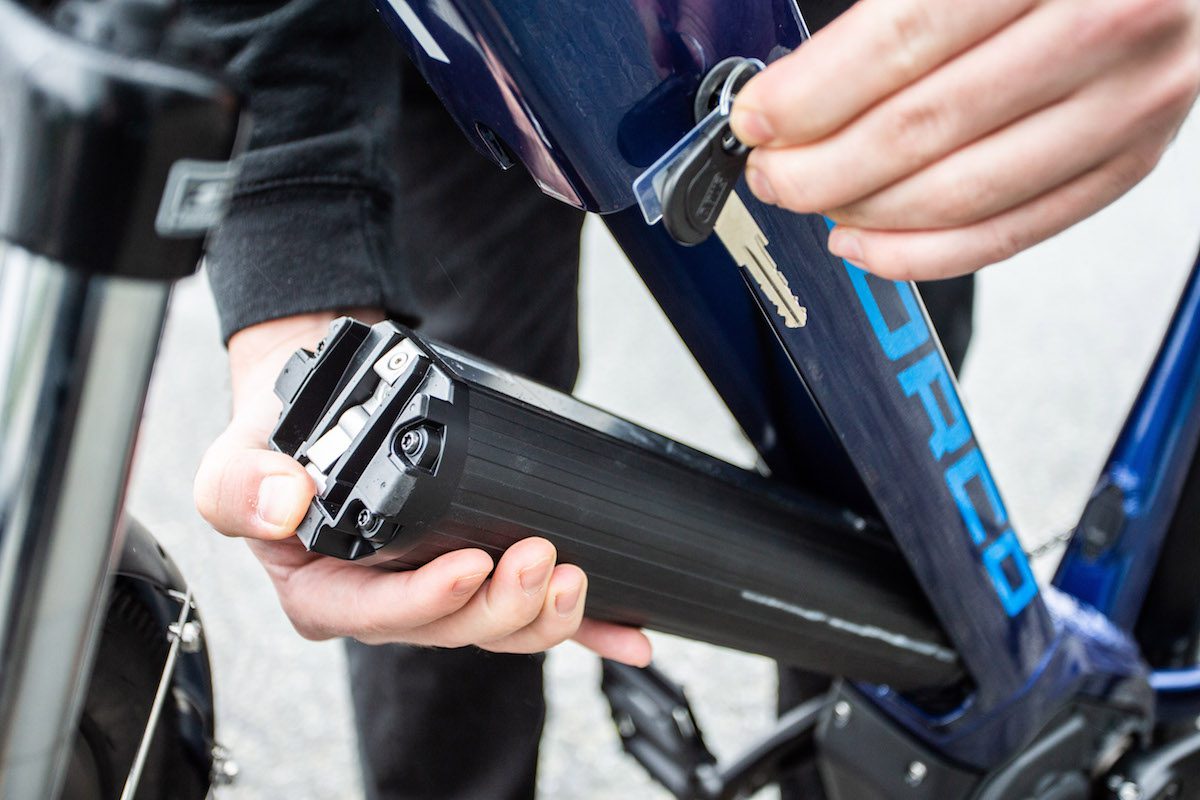
When selecting a replacement battery, it’s important to choose one that’s compatible with your e-bike’s motor and other components. Look for a battery with the same voltage and amp-hour (Ah) rating as your original one. Many e-bike manufacturers offer replacement batteries that are specifically designed for their models.
3. Maintain Your New Battery
To extend the lifespan of your new e-bike battery, be sure to maintain it properly. This includes avoiding overcharging, keeping the battery at a moderate temperature, and storing it in a cool, dry place when not in use. Following these battery maintenance tips will help preserve the health of your battery and ensure your e-bike runs smoothly.
Conclusion
Recognizing when your e-bike battery is nearing the end of its life is key to keeping your bike in optimal condition. Watch for signs like reduced range, charging issues, inaccurate battery indicators, decreased performance, and overheating. If any of these signs occur, it’s time to replace the battery. By taking care of your e-bike battery and replacing it when necessary, you’ll ensure your e-bike continues to provide efficient and reliable transportation for years to come.
For more information about e-bike battery care and troubleshooting, be sure to consult your manufacturer’s manual or contact a professional technician.
Have you noticed any of these signs with your e-bike battery? Let us know your experiences in the comments below or ask any questions you have about battery replacement. Don’t forget to share this post with fellow e-bike riders who might find it helpful!
RELATED CONTENT

Kristina is not just an enthusiast but a true authority on electric bikes. Nestled in the coastal beauty of Virginia, Kristina has found the perfect backdrop for her passion for electric biking. As a dedicated wife and homeschooling mom, her life revolves around family, faith, and the thrill of adventure.
Originally hailing from Ohio, Kristina's journey with electric bikes began as a curiosity and quickly evolved into a deep expertise. Her blog is a testament to her love for electric biking, combining her fascination for eco-friendly transportation with her coastal lifestyle.
When she's not cruising the beach on her electric bike, you'll find Kristina indulging in her other loves: long walks along the shore, getting lost in a good book, and cherishing moments with her loved ones. With a heart as big as her love for animals, especially cats, Kristina brings a unique perspective to the electric bike world, grounded in her strong faith in God and her dedication to a sustainable lifestyle.
Through her blog, Kristina shares her extensive knowledge of electric bikes, offering valuable insights, tips, and recommendations to fellow enthusiasts. Whether you're a seasoned rider or a newcomer to the electric bike scene, Kristina's blog is your go-to source for all things electric biking, fueled by her passion, expertise, and the scenic beauty of coastal Virginia.