
Camping with an E-Bike: Essential Gear & Tips for Your Next Adventure
Last Updated on July 28, 2026 by Kristina
E-bike camping is fast becoming one of the most exciting ways to explore the outdoors. With the convenience of motor-assisted travel, you can cover more ground while still enjoying the simplicity of life on the trail. Whether you’re planning a quick overnight trip or a multi-day adventure, the right gear and smart planning make all the difference. This guide covers essential gear, practical tips, and how to prepare for e-bike camping, so you’re ready for the road — and the campsite.
Why E-Bike Camping is Gaining Popularity
According to a report by Deloitte, global e-bike sales are expected to reach 130 million units between 2020 and 2023. Riders are looking for eco-friendly travel options that balance convenience and adventure. Camping with an e-bike opens up access to trails and campgrounds that might be out of reach with a regular bicycle, especially when carrying gear.
For many, it’s a game-changer:
- Extended range compared to traditional bikepacking
- Ability to carry more equipment without strain
- Quiet and eco-friendly alternative to car camping
Essential E-Bike Camping Gear
Packing efficiently is key. You’ll want to balance weight, functionality, and durability.
1. Portable E-Bike Charger or Solar Panel
A dead battery miles from camp can ruin the trip. Invest in a portable solar charger for e-bike camping or carry an extra battery. Solar panels are a sustainable option if you’re off-grid for multiple days.
| Charger Type | Pros | Cons |
|---|---|---|
| Portable Power Bank | Compact, easy to use | Limited capacity |
| Folding Solar Panel | Renewable energy source | Weather-dependent |
| Extra Ebike Battery | Quick swap for longer rides | Adds extra weight |
RELATED CONTENT – Top Recommended Ebike with Solar Charging Capabilities
2. Waterproof Bags and Bikepacking Bags
Weather can be unpredictable. Use waterproof bags for e-bike camping to keep your gear dry. Look for panniers, handlebar rolls, and frame bags specifically designed for bikepacking.
3. Lightweight Camping Gear
Since you’re carrying everything on the bike, lightweight camping gear for e-bike trips is essential. Prioritize:
- Compact tent or bivvy sack
- Ultralight sleeping bag
- Minimalist cook set
4. Food Storage Solutions
Plan simple meals that require minimal cooking. Use ebike camping food storage ideas like collapsible coolers or dry bags to keep food fresh and safe from wildlife.
5. Safety Gear & Navigation
Even with pedal assistance, safety is non-negotiable:
- Helmet and reflective clothing
- Multi-tool and tire repair kit
- GPS or offline map apps
How to Pack Camping Gear on an E-Bike
Distribute the weight evenly to maintain bike balance. Heavier items like extra batteries and cooking gear should go in rear panniers, while lighter essentials can fit in frame bags.
Packing Tip:
Keep frequently used items (like snacks and rain gear) in easily accessible spots.
Here’s a quick packing system to follow:
| Gear Type | Recommended Placement |
|---|---|
| Heavy gear (battery, tools) | Rear panniers |
| Light gear (clothing) | Frame bag |
| Essentials (snacks, maps) | Handlebar bag or top tube bag |
Extending E-Bike Battery Life While Camping
One of the biggest concerns for riders is keeping the battery charged over multiple days.
Try these tips:
- Use eco-mode or lower assistance levels.
- Pedal more on flat terrain to conserve power.
- Charge whenever possible — carry a portable e-bike charger or recharge at campgrounds with electrical hookups.
- Avoid carrying unnecessary weight that drains the battery faster.
Remember, cooler temperatures can reduce battery efficiency. Keep your spare battery inside your sleeping bag overnight to maintain performance.
How Heat Affects E-Bike Battery Life
While cold weather reduces your battery’s efficiency and range, extreme heat can also cause serious issues. High temperatures — especially above 35°C (95°F) — can accelerate battery degradation over time.
Exposing your e-bike battery to direct sunlight, especially while charging, risks:
- Overheating the cells, which reduces overall battery lifespan.
- Triggering thermal management systems that slow charging or power output.
- Potential safety risks if the battery casing heats beyond recommended limits.
Tip:
When camping in hot conditions, always park your e-bike in the shade. Avoid charging the battery under direct sun exposure, and let the battery cool down before recharging if it feels warm to the touch.
RELATED CONTENT – Maximizing Ebike Battery Life
Best E-Bikes for Camping & Multi-Day Trips
Not all e-bikes are built for the rough and tumble of camping trips. Look for:
- Long-range battery (minimum 50–80 miles)
- Fat tires for off-road trails
- Cargo capacity or mounting points for panniers
- Durable motor system (mid-drive motors tend to handle hills better)
Popular choices include:
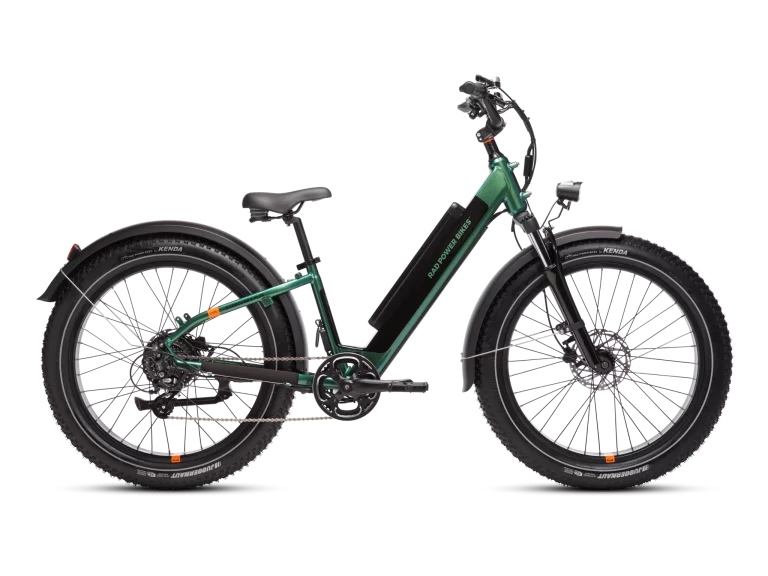
- Rad Power Bikes RadRover
- Riese & Müller Superdelite
- Trek Powerfly 5
RELATED CONTENT – Top Off Road Ebikes for Adventure in 2025
Finding E-Bike Friendly Camping Spots
Before you head out, check whether your route and campsite allow e-bikes. Some national parks and nature reserves have specific rules. Use apps like Komoot or BikeMap to scout ebike-friendly camping locations near you.
Pro Tip: Look for established campsites with charging facilities if you’re planning a longer trip.
E-Bike Camping Checklist for Beginners
Here’s a simple checklist to make sure you’re ready:
✅ Fully charged battery and spare
✅ Portable charger or solar panel
✅ Waterproof panniers and dry bags
✅ Lightweight tent and sleeping gear
✅ Compact cook set and food supplies
✅ Repair kit and multi-tool
✅ GPS or offline maps
✅ First aid kit
✅ Headlamp and spare batteries
FAQs
You’ll need essentials like a portable e-bike charger, waterproof bags, lightweight camping gear, food storage solutions, safety gear, and navigation tools. Always carry a repair kit and spare battery if possible.
Yes, you can charge your e-bike using portable power banks, folding solar panels, or at campgrounds with electrical hookups. Check your route for charging points in advance.
Use a combination of panniers, frame bags, and handlebar bags to distribute weight evenly. Pack heavy items in the rear and keep essentials in easy-to-reach places.
Look for an e-bike with a long-range battery, fat tires for rough terrain, and mounting points for carrying gear. Models like the RadRover, Trek Powerfly, or Riese & Müller Superdelite are great options.
E-bike access varies by park. Some U.S. national parks allow e-bikes on certain trails, while others restrict them to motor vehicle roads. Always check park regulations before your trip.
Final Thoughts
Camping with an e-bike blends adventure, freedom, and sustainable travel. With the right preparation and essential gear, your trip can be safe, enjoyable, and full of unforgettable moments. Pack smart, respect nature, and enjoy the open road — your e-bike adventure awaits.
Have you tried camping with your e-bike yet? Share your favorite gear or routes in the comments! ?? Got questions before your first trip? Drop them below — we’d love to help you gear up for your next adventure!
RELATED CONTENT

Kristina is not just an enthusiast but a true authority on electric bikes. Nestled in the coastal beauty of Virginia, Kristina has found the perfect backdrop for her passion for electric biking. As a dedicated wife and homeschooling mom, her life revolves around family, faith, and the thrill of adventure.
Originally hailing from Ohio, Kristina's journey with electric bikes began as a curiosity and quickly evolved into a deep expertise. Her blog is a testament to her love for electric biking, combining her fascination for eco-friendly transportation with her coastal lifestyle.
When she's not cruising the beach on her electric bike, you'll find Kristina indulging in her other loves: long walks along the shore, getting lost in a good book, and cherishing moments with her loved ones. With a heart as big as her love for animals, especially cats, Kristina brings a unique perspective to the electric bike world, grounded in her strong faith in God and her dedication to a sustainable lifestyle.
Through her blog, Kristina shares her extensive knowledge of electric bikes, offering valuable insights, tips, and recommendations to fellow enthusiasts. Whether you're a seasoned rider or a newcomer to the electric bike scene, Kristina's blog is your go-to source for all things electric biking, fueled by her passion, expertise, and the scenic beauty of coastal Virginia.