Fall E-bike Rides: Maximize Range and Performance with These Tips!
Last Updated on November 12, 2025 by Kristina
Introduction
Good e-bike battery care makes all the difference when the weather cools down. An e-bike is fun, efficient, and easy to ride — but as summer fades into fall, the drop in temperature can affect both your motor and your battery. Understanding how cold weather affects e-bike motors helps you protect your system as a whole and keep it performing smoothly.
In this guide, you’ll learn how to prepare your battery for cooler rides, charge it safely, and make small adjustments that keep your power strong and your fall adventures worry-free.
📖 Read Next
What Makes an E-Bike Road-Legal? (2025 U.S. State Guide)
Understanding Electric Bike Classes: A Comprehensive Guide
Ebike Maintenance for Beginners
The Complete Guide to Electric Bike Charging: Tips, Tricks, and Best Practices
Extend the Life of Electric Bike Batteries
Is Upgrading Your E-Bike Motor Worth It? Pros, Cons, and Everything You Need to Know
How Temperature Affects Battery Range
Cold air slows the chemical reactions inside lithium-ion batteries. That means less power and shorter range. Here’s how temperature can change your battery’s performance:
| Outside Temperature (°F) | Approx. Battery Efficiency | Typical Range Loss |
|---|---|---|
| 75°F (24°C) | 100% | 0% |
| 60°F (16°C) | 95% | 5% |
| 45°F (7°C) | 85% | 15% |
| 30°F (-1°C) | 70% | 30% |
| 15°F (-9°C) | 60% or less | 40%+ |
Tip: Start rides with a fully charged, room-temperature battery to reduce early power loss.
Getting Your Battery Ready for Fall
Before your next ride, take a few quick steps to keep your e-bike battery in top shape.
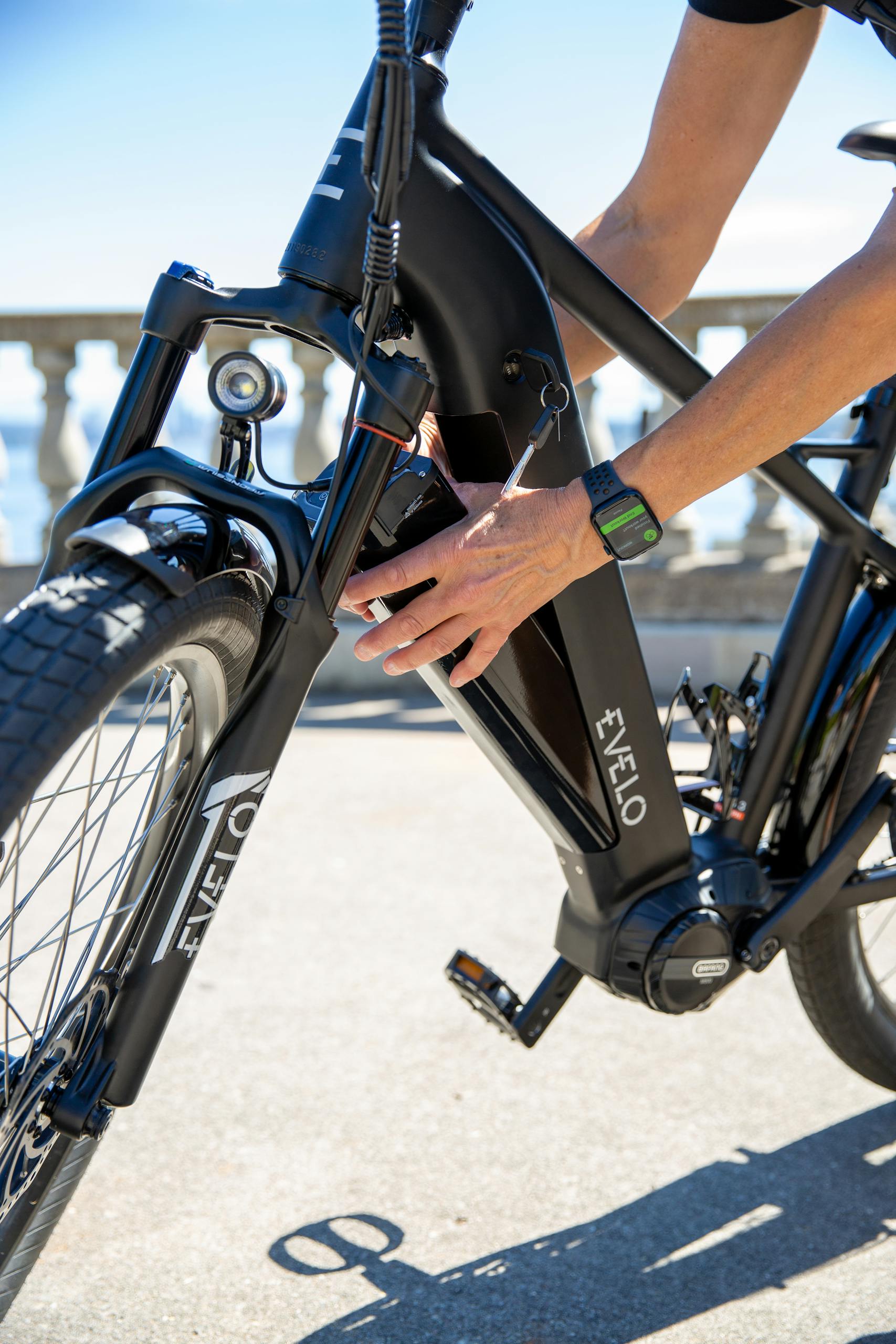
Check the voltage. If your bike display doesn’t show it, use a multimeter. It’s simple and gives you accurate readings.
Charge at room temperature. Cold batteries charge slowly and unevenly. Let them warm to around 68°F (20°C) before plugging in.
Keep contacts clean. Dust, salt, or corrosion can block power flow. Wipe the terminals with a soft, dry cloth. Never use water or cleaners.
Store smart. When not riding, keep your battery in a cool, dry spot. Avoid freezing garages or hot sheds. Stable temperatures keep cells healthy.
Battery Charging Temperature Chart
Not sure when it’s safe to charge? Use this quick guide:
| Battery Temperature Before Charging | Safe to Charge? | Reason |
|---|---|---|
| 60–75°F (16–24°C) | ✅ Best range, safe charging | Ideal for lithium-ion chemistry |
| 45–59°F (7–15°C) | ⚠️ Acceptable but slower | Slightly reduced efficiency |
| 32–44°F (0–6°C) | ⚠️ Wait to warm up | Risk of voltage imbalance |
| Below 32°F (0°C) | ❌ Don’t charge | Can damage battery cells |
| Above 100°F (38°C) | ❌ Don’t charge | Heat shortens battery life |
Warming Up Before Cold Rides
If your battery has been sitting in a cold garage overnight, bring it inside for 20–30 minutes before your ride. Starting warm helps keep voltage stable.
You can also use an insulated battery cover or bag — it keeps heat in and protects against wind chill.
Pro Tip 💡: Keep a spare small blanket or towel in your garage to wrap the battery when you bring it inside. It warms gradually and evenly.
Boosting Range in Cooler Weather
Cold weather can trim your range, but a few small changes help stretch every charge.
- Use Eco Mode more often. It draws less power and adds miles.
- Plan flatter routes when you can — hills and headwinds drain power faster.
- Keep your tires inflated to the recommended PSI to cut rolling resistance.
- Mix in pedaling for steady exercise and extra battery life.
Signs Your Battery May Need Service
Over time, all batteries lose some capacity. But these warning signs may mean it’s time to get yours checked:
- You’re recharging more often or losing range quickly
- The battery takes much longer to charge
- Power output feels jumpy or inconsistent
- The case bulges or gets very hot
- You notice strange noises or smells
If any of these happen, stop riding and have a mechanic inspect it. A quick checkup now can prevent bigger (and pricier) problems later.
Battery Health Over Time
Here’s a general idea of how e-bike batteries age:
| Battery Age (Years) | Typical Capacity Left | What to Expect |
|---|---|---|
| 1 Year | 95–100% | Feels like new |
| 2–3 Years | 85–90% | Slight range drop |
| 4–5 Years | 70–80% | Noticeable loss, time to plan a replacement |
| 6+ Years | 60% or less | Likely due for replacement |
Quick Fall Ride Checklist
- ✅ Charge your battery indoors to room temperature
- ✅ Tires inflated to correct PSI
- ✅ Contacts clean and dry
- ✅ Use lower assist when possible
- ✅ Store battery at half charge if not riding for a while
FAQs
Cold weather doesn’t permanently damage lithium-ion batteries, but it can lower performance and range. It’s best to charge and store your battery at room temperature and avoid leaving it outside in freezing conditions.
Use an insulated battery cover or wrap to help retain heat. You can also start your ride right after bringing your battery in from indoors — it’ll stay warm longer.
Not always. If you finish with over 50% charge and won’t ride the next day, it’s fine to wait. For frequent rides, topping up after each trip helps avoid deep discharge.
Store your battery indoors at 50–60% charge in a cool, dry spot — ideally between 50°F and 70°F. Avoid full or empty storage, and never charge below freezing.
If your range has dropped sharply, charging takes longer, or the battery gets hot or swollen, it’s time for a checkup or replacement. Most e-bike batteries last around 3–5 years with good care.
Conclusion
Cooler air shouldn’t stop your rides. With a few simple habits, your e-bike battery will perform well through fall and beyond.
Keep it warm, clean, and charged — and enjoy the crisp, colorful rides that make autumn e-biking special.

Kristina is not just an enthusiast but a true authority on electric bikes. Nestled in the coastal beauty of Virginia, Kristina has found the perfect backdrop for her passion for electric biking. As a dedicated wife and homeschooling mom, her life revolves around family, faith, and the thrill of adventure.
Originally hailing from Ohio, Kristina's journey with electric bikes began as a curiosity and quickly evolved into a deep expertise. Her blog is a testament to her love for electric biking, combining her fascination for eco-friendly transportation with her coastal lifestyle.
When she's not cruising the beach on her electric bike, you'll find Kristina indulging in her other loves: long walks along the shore, getting lost in a good book, and cherishing moments with her loved ones. With a heart as big as her love for animals, especially cats, Kristina brings a unique perspective to the electric bike world, grounded in her strong faith in God and her dedication to a sustainable lifestyle.
Through her blog, Kristina shares her extensive knowledge of electric bikes, offering valuable insights, tips, and recommendations to fellow enthusiasts. Whether you're a seasoned rider or a newcomer to the electric bike scene, Kristina's blog is your go-to source for all things electric biking, fueled by her passion, expertise, and the scenic beauty of coastal Virginia.