Electric Mopeds Explained: Everything Beginners Need to Know
Last Updated on May 14, 2026 by Kristina
Learn how electric mopeds work, how fast they go, what laws apply, what features matter most, and how to choose the right model for commuting, city riding, and everyday transportation.
⚡ This Electric Moped Guide is currently being expanded and updated with new recommendations, laws, safety information, buying guides, and ownership resources. Check back as we continue adding new electric moped content and comparisons.
Electric mopeds are becoming one of the most practical ways to get around for commuting, errands, city riding, and short-distance travel.
For many riders, an electric moped sits somewhere between an e-bike and a motorcycle. They are often more comfortable and road-ready than a typical electric bike while still being quieter, cheaper to operate, and easier to manage than a gas-powered scooter or motorcycle.
Whether you are trying to reduce commuting costs, avoid rising gas prices, or simply want a more convenient way to get around town, electric mopeds can be an excellent option.
This page is designed to be your starting point for understanding electric mopeds, including:
- What electric mopeds are
- How fast they go
- How far they can travel
- Charging costs
- Battery lifespan
- Laws and regulations
- Safety considerations
- Recommended models
- Common beginner mistakes
- How to choose the right electric moped
It also serves as the main hub for future Electric Bike Explorer electric moped content.
Who This Guide Is For (and Who It’s Not)
This guide is for you if:
- You are new to electric mopeds
- You want a cheaper alternative to driving
- You are comparing electric mopeds vs e-bikes or scooters
- You need practical urban transportation
- You want lower operating costs than a gas scooter or motorcycle
- You are researching electric mopeds for commuting or local travel
This guide may not be for you if:
- You regularly need highway speeds
- You frequently travel extremely long distances
- You need heavy hauling capability
- You want a true motorcycle replacement
- You need serious off-road performance
Quick Navigation
Learn the Basics
- What Is an Electric Moped?
- Electric Mopeds vs E-Bikes
- Electric Mopeds vs Electric Scooters
- Are Electric Mopeds Worth It?
Buying Guides
- Best Electric Mopeds for Adults
- Best Electric Mopeds for Commuting
- Cheapest Electric Mopeds Worth Buying
- Electric Mopeds With the Longest Range
Ownership & Maintenance
- Electric Moped Battery Replacement Costs
- Electric Moped Charging Guide
- Common Electric Moped Problems
- Electric Moped Maintenance Guide
Safety & Laws
- Electric Moped Laws by State
- Are Electric Mopeds Street Legal?
- Electric Moped Safety Guide
- How to Prevent Electric Moped Theft
What Is an Electric Moped?
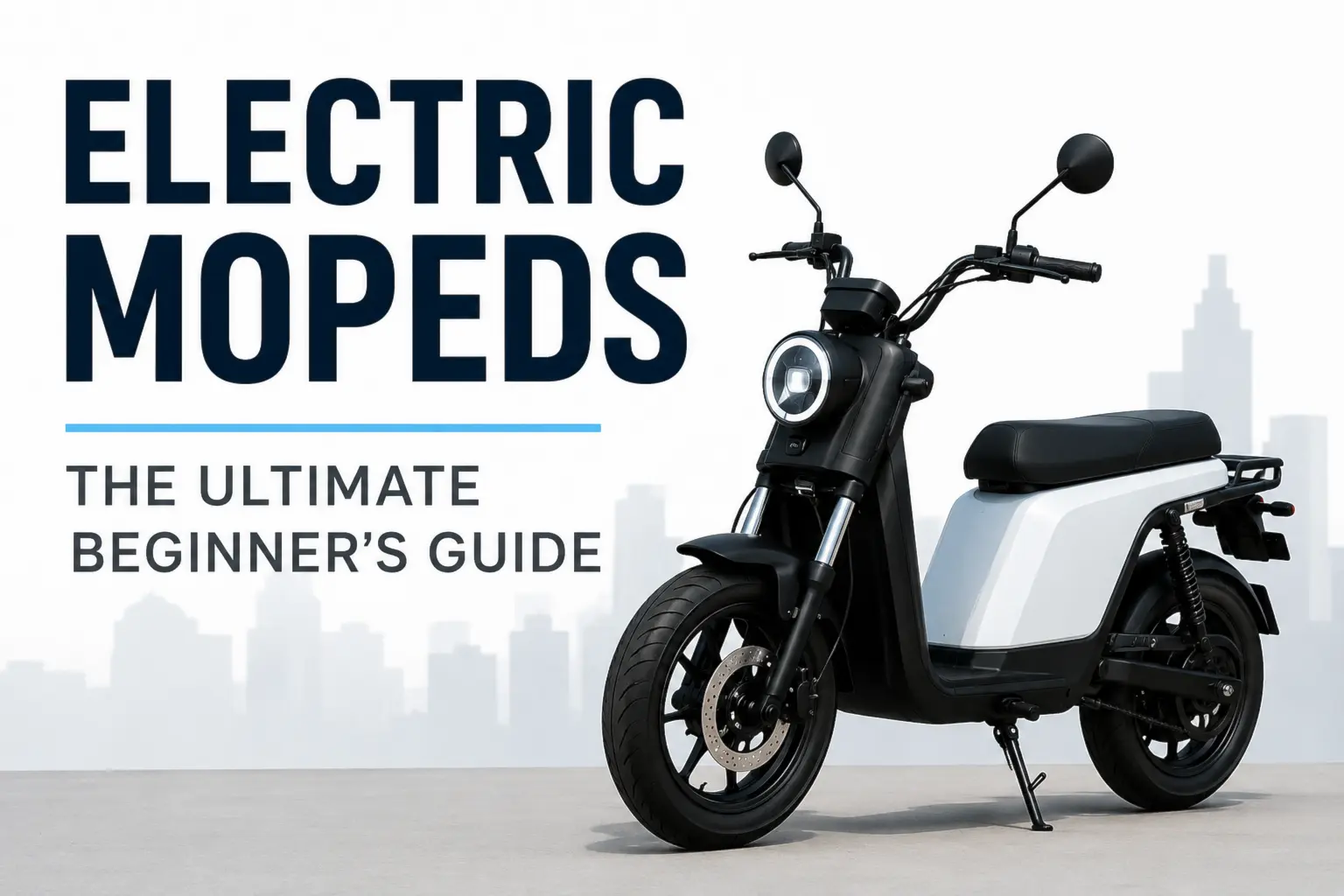
An electric moped is a small electric-powered vehicle designed for short-distance transportation, commuting, and city riding.
Most electric mopeds include:
- A seated riding position
- A throttle
- An electric motor
- A rechargeable battery
- Larger frames than standing scooters
- More comfort than many compact electric scooters
Some electric mopeds look closer to scooters, while others resemble moped-style e-bikes.
That distinction matters because laws, speed limits, registration requirements, pedals, and insurance rules can vary significantly depending on the vehicle and your location.
Electric Mopeds vs E-Bikes vs Electric Scooters
One of the biggest points of confusion for beginners is understanding the difference between electric mopeds, electric scooters, and e-bikes.
| Type | Best For | Typical Speed | Pedals | License Rules |
|---|---|---|---|---|
| Electric Mopeds | Commuting, city riding, errands | 20–45 mph* | Usually no | Varies by state |
| E-Bikes | Exercise, bike paths, commuting | 15–28 mph | Yes | Usually no* |
| Electric Scooters | Short trips, campus, portability | 10–25 mph | No | Varies by state |
*Many consumer electric mopeds and moped-style electric vehicles typically range between 20–45 mph depending on design, motor output, and local legal classification.
*E-bike laws vary depending on state and local regulations.
The biggest difference is that e-bikes usually include functional pedals while electric mopeds typically operate more like scooters or small motorcycles.
👉 RELATED CONTENT – Electric Scooters for Kids
Important: “Moped-Style E-Bikes” Are Not Always True Mopeds
Some electric bikes are designed to look like mopeds or mini motorcycles while still legally qualifying as e-bikes in certain states.
However, higher-speed vehicles without pedals or vehicles exceeding local e-bike limits may legally qualify as mopeds or motorcycles instead.
In some states, electric mopeds may legally fall under scooter, motor-driven cycle, or motorcycle classifications instead of “moped” classifications.
Always verify before purchasing the following:
- Local laws
- Speed classifications
- Wattage limits
- Pedal requirements
- Registration rules
👉 Read next:
https://electricbikeexplorer.com/ebike-vs-moped-vs-scooter-us-laws/
Are Electric Mopeds Worth It?
Electric mopeds can absolutely be worth it for riders who want affordable local transportation without the fuel costs and maintenance associated with gas-powered vehicles.
They are best for:
- Local commuting
- City transportation
- College campuses
- Neighborhood riding
- Errands
- Recreational cruising
They may not be ideal if you regularly need highway travel, heavy hauling capability, or extremely long-distance riding.
Understanding Electric Moped Laws and Regulations
Electric moped laws vary significantly depending on your state and local regulations.
Before purchasing an electric moped, always research:
- Registration requirements
- Licensing requirements
- Insurance requirements
- Helmet laws
- Speed restrictions
- Sidewalk rules
- Bike lane access
- Age requirements
Some states classify faster electric mopeds more similarly to motorcycles or scooters.
Some vehicles marketed as “electric bikes” may legally qualify as mopeds or motorcycles depending on speed, pedals, and power output.
👉 See the full U.S. classification guide here
I strongly recommend checking your local DMV website before purchasing an electric moped.
👉 Read next:
How Fast Do Electric Mopeds Go?
Many consumer electric mopeds and moped-style electric vehicles typically range between 20 mph and 45 mph depending on design, motor output, and local legal classification.
The right speed depends heavily on how you plan to use the vehicle.
Slower Electric Mopeds (20–25 mph)
Best for:
- Neighborhood riding
- Campus transportation
- Urban streets
- Short errands
Advantages:
- Better battery efficiency
- Easier handling
- Lower learning curve
- Often more affordable
Mid-Speed Electric Mopeds (30–40 mph)
Best for:
- Daily commuting
- Moderate urban traffic
- Longer city routes
Advantages:
- Faster commuting
- Better traffic flow compatibility
- More versatility
Higher-Speed Electric Mopeds (40–45 mph)
Best for:
- Longer rides
- Recreational riding
- More open roads
Keep in mind that higher speeds generally reduce battery range more quickly.
How Far Can an Electric Moped Go?
Electric moped range varies widely. Many models offer between 15 and 50 miles per charge.
Real-world range depends on:
- Rider weight
- Riding speed
- Terrain
- Tire pressure
- Wind
- Temperature
- Battery size
- Traffic conditions
For example, a moped advertised for 50 miles may realistically achieve:
- 40–45 miles during moderate riding
- 30–35 miles at higher speeds
- Less during cold weather or hilly terrain
I always recommend leaving extra battery margin rather than planning rides around maximum advertised range.
👉 Read next:
- Electric Bike Range Explained
- Longest Range Electric Mopeds
How Much Does It Cost to Charge an Electric Moped?
One of the biggest advantages of electric mopeds is low charging cost compared to gas-powered vehicles.
Charging costs depend on:
- Battery size
- Electricity rates
- Charger efficiency
- Riding frequency
For many riders, charging an electric moped may cost only a few cents to under a dollar per charge depending on the battery and local electricity prices.
That can lead to substantial long-term savings compared to constantly filling a gas tank.
Battery Life and Replacement Costs
Battery replacement is something every buyer should think about before purchasing.
Most quality lithium-ion batteries typically last:
- 3–5 years
- 500–1000 charge cycles
However, replacement batteries can sometimes cost hundreds or even thousands of dollars depending on the model.
Before buying, check:
- Battery replacement pricing
- Warranty coverage
- Availability of replacement parts
- Manufacturer support
- Battery certification information
Some states are beginning to require UL-certified battery systems and electrical components for electric bikes and similar electric vehicles due to fire safety concerns. When possible, I strongly recommend choosing reputable brands that use recognized battery safety certifications.
Cheap no-name brands sometimes become difficult to support after only a few years.
👉 Read next:
- Electric Moped Battery Replacement Costs
- How to Tell If an E-Bike Battery Is Dangerous
- Electric Battery Storage Tips
Electric Moped Pros and Cons
Pros
- Lower operating costs than gas vehicles
- Quiet performance
- Easier maintenance
- Eco-friendly transportation
- Great for local commuting
- Easier parking in cities
- No gasoline required
Cons
- Limited highway capability
- Charging time compared to refueling gas
- Battery replacement costs
- Range limitations
- Theft concerns in some cities
- Laws vary heavily by state
What to Look for in an Electric Moped
Before buying an electric moped, pay close attention to these features.
Battery Quality
Battery quality matters more than top speed. A reliable battery often creates a much better long-term ownership experience.
Real-World Range
Do not buy based only on advertised range numbers.
Brakes
Hydraulic disc brakes are usually preferable for higher-speed electric mopeds.
Comfort
Look for:
- Comfortable seating
- Suspension quality
- Proper ergonomics
- Adequate legroom
Lighting
A quality electric moped should include:
- Bright headlights
- Taillights
- Brake lights
- Turn signals if available
Replacement Parts
Always check whether replacement batteries, chargers, brakes, and tires are readily available.
Local Service Support
A cheap electric moped may not be a good value if repairs and parts become difficult later.
Best Electric Mopeds by Rider Type
Best Electric Mopeds for Beginners
Beginners should usually prioritize:
- Stable handling
- Easy controls
- Moderate speed
- Reliable brakes
- Good comfort
Best Electric Mopeds for Commuting
Commuter-focused riders should prioritize:
- Long range
- Comfortable seating
- Bright lighting
- Weather resistance
- Cargo capability
Best Electric Mopeds for Budget Buyers
Budget buyers should focus more on:
- Reliability
- Warranty support
- Replacement parts
- Real-world usability
rather than simply choosing the cheapest option available.
Best Long-Range Electric Mopeds
Long-range riders should prioritize:
- Battery capacity
- Real-world range
- Comfort
- Charging speed
Recommended Electric Mopeds Worth Considering
Prices, specifications, and availability can change over time. Always verify current specs, local laws, and licensing requirements before purchasing.
Best Budget Electric Moped – X-Treme Cabo Cruiser Elite
Best for:
- Short trips
- Budget-conscious buyers
- Neighborhood riding
- First-time riders
Potential drawbacks:
- Lower speed
- Shorter range
- More basic overall features
Best Long-Range Electric Moped- EMMO Hornet
Best for:
- Longer commuting
- Daily transportation
- Riders prioritizing battery range
- Comfort-focused riding
Potential drawbacks:
- Heavier weight
- Higher price
- Larger storage footprint
Best Moped-Style E-Bike Alternative – Macfox X1S
Best for:
- Riders wanting pedals
- Urban transportation
- Recreational riding
- Riders comparing e-bikes and mopeds
Potential drawbacks:
- Not a true electric moped
- Lower speed than some commuter mopeds
Best Seated Electric Scooter Alternative – GOTRAX A3 Aero
Best for:
- Campus use
- Short errands
- Apartment living
- Lightweight portability
Potential drawbacks:
- Smaller wheels
- Lower range
- Less comfort for longer rides
Quick Picks
| Best For | Recommended Pick |
|---|---|
| Best Budget Pick | X-Treme Cabo Cruiser Elite |
| Best Commuter Pick | EMMO Hornet |
| Best Moped-Style E-Bike | Macfox X1S |
| Best Lightweight Alternative | GOTRAX A3 Aero |
🔎 How We Choose and Evaluate Electric Mopeds
The electric mopeds featured in this guide are selected using a research-based evaluation process, not hands-on testing. We compare verified manufacturer specifications, real-world rider feedback, independent reviews, and brand reputation to identify electric mopeds that offer strong value, comfort, and everyday reliability.
If you would like a deeper look at our process, you can learn more about how we evaluate and compare e-bikes on our full transparency page.
Important Safety Features to Look For
Safety should always be one of the top priorities when choosing an electric moped.
Reliable Brakes
Hydraulic disc brakes are often preferable for stronger stopping power and control.
Bright Lighting
Look for:
- Headlights
- Taillights
- Brake lights
- Turn signals
Tires
Quality tires improve:
- Grip
- Wet-weather handling
- Stability
- Braking performance
Mirrors
Mirrors improve traffic awareness and visibility.
👉 Read next:
- Electric Moped Safety Guide
- Best Helmets for Electric Mopeds
- Best Locks for Electric Mopeds
Weather Riding Considerations
If you plan to commute regularly, weather protection matters more than many buyers expect.
Things to consider:
- Waterproof storage
- Wind protection
- Tire traction
- Visibility
- Water-resistance ratings
Rain significantly reduces traction and braking performance.
Always ride more cautiously in wet conditions.
Security and Theft Prevention
Electric mopeds can unfortunately attract theft, especially in urban environments.
I strongly recommend investing in:
- Heavy-duty locks
- Disc brake locks
- GPS trackers
- Indoor storage when possible
A removable battery can also help reduce theft risk.
👉 Read next:
- Best Locks for Electric Mopeds
- How to Prevent Electric Moped Theft
Low Maintenance Advantages
One major advantage of electric mopeds is lower maintenance compared to gas-powered vehicles.
Electric mopeds eliminate many traditional maintenance tasks such as:
- Oil changes
- Spark plugs
- Fuel system maintenance
- Exhaust repairs
However, they still require:
- Tire checks
- Brake inspections
- Battery care
- Suspension checks
Common Mistakes First-Time Buyers Make
Buying Based Only on Top Speed
A fast moped is not always the best commuter or city rider.
Ignoring Local Laws
Some buyers accidentally purchase vehicles that are not legal in their area.
Underestimating Battery Needs
Always plan for real-world range rather than ideal conditions.
Choosing Cheap Unknown Brands
Some inexpensive brands lack:
- Replacement parts
- Warranty support
- Safety certifications
- Long-term reliability
Ignoring Comfort
Seat comfort and suspension become extremely important during daily riding.
What I’d Personally Prioritize Before Buying
If I were buying an electric moped, I would personally prioritize:
- Battery quality over top speed
- Brakes and safety features
- Comfort for daily riding
- Real-world range
- Replacement battery availability
- Warranty support
- Local service availability
- Theft prevention
I would be cautious with ultra-cheap no-name models unless parts and support are easy to verify.
Helpful Accessories for Electric Moped Riders
A few accessories can make electric moped ownership safer and more convenient.
Recommended accessories:
- Helmet
- Heavy-duty lock
- Disc brake lock
- Phone mount
- Rain gear
- Tire pump
- Repair kit
- Reflective gear
- Storage box or cargo bag
👉 Read next:
- Best E-Bike Accessories
- Best Helmets for Electric Mopeds
- Best Locks for Electric Mopeds
Real-World Ownership Expectations
Electric mopeds work best for:
- City transportation
- Local commuting
- Errands
- Recreational riding
- Short-distance travel
They are usually less ideal for:
- Highway travel
- Heavy cargo hauling
- Harsh winter conditions
- Extremely long-distance riding
Understanding those limitations helps buyers make smarter decisions.
Explore Electric Moped Guides
Learn the Basics
👉 What Is an Electric Moped?
👉 Electric Mopeds vs E-Bikes
👉 Electric Mopeds vs Electric Scooters
👉 Electric Mopeds vs Gas Mopeds
👉 Are Electric Mopeds Worth It?
Buying Guides
👉 Best Electric Mopeds for Adults
👉 Best Electric Mopeds for Commuting
👉 Cheapest Electric Mopeds Worth Buying
👉 Electric Mopeds With the Longest Range
👉 Best Electric Mopeds for Heavy Riders
👉 Best Electric Mopeds for College Students
👉 Best Electric Mopeds for Older Adults
Safety & Laws
👉 Electric Moped Laws by State
👉 Are Electric Mopeds Street Legal?
👉 Electric Moped Safety Guide
👉 How to Prevent Electric Moped Theft
👉 Do Electric Mopeds Need Insurance?
Ownership & Maintenance
👉 Electric Moped Battery Replacement Costs
👉 Electric Moped Charging Guide
👉 Common Electric Moped Problems
👉 Electric Moped Maintenance Guide
👉 How to Store an Electric Moped
👉 How Long Do Electric Moped Batteries Last?
FAQs
They can be, but laws vary significantly depending on your state and local regulations.
Some states require insurance while others may not.
Most electric mopeds are not designed for highway use.
Most electric mopeds take roughly 2–8 hours to fully charge depending on battery size and charger speed.
Yes. Most true electric mopeds operate using a throttle and do not require pedaling.
However, some moped-style e-bikes include pedals and may legally qualify as e-bikes depending on local laws.
Some electric mopeds can handle light rain, but always check the manufacturer’s water-resistance rating.
They are usually much cheaper to operate because electricity costs less than gas and electric motors require less routine maintenance.
Final Thoughts
Electric mopeds can be an excellent option for riders who want affordable, quiet, low-maintenance transportation for commuting, errands, and local travel.
The key is choosing a model that genuinely fits your riding needs rather than focusing only on speed or appearance.
Before buying, research local laws, understand real-world range expectations, compare battery replacement costs, and prioritize comfort and safety features.
Used the right way, an electric moped can become a practical middle ground between an e-bike, scooter, and small motorcycle.
External Sources
https://www.ghsa.org
https://www.energy.gov/eere/electricvehicles/electric-vehicle-basics
https://www.niu.com
https://www.vespa.com

Kristina is not just an enthusiast but a true authority on electric bikes. Nestled in the coastal beauty of Virginia, Kristina has found the perfect backdrop for her passion for electric biking. As a dedicated wife and homeschooling mom, her life revolves around family, faith, and the thrill of adventure.
Originally hailing from Ohio, Kristina's journey with electric bikes began as a curiosity and quickly evolved into a deep expertise. Her blog is a testament to her love for electric biking, combining her fascination for eco-friendly transportation with her coastal lifestyle.
When she's not cruising the beach on her electric bike, you'll find Kristina indulging in her other loves: long walks along the shore, getting lost in a good book, and cherishing moments with her loved ones. With a heart as big as her love for animals, especially cats, Kristina brings a unique perspective to the electric bike world, grounded in her strong faith in God and her dedication to a sustainable lifestyle.
Through her blog, Kristina shares her extensive knowledge of electric bikes, offering valuable insights, tips, and recommendations to fellow enthusiasts. Whether you're a seasoned rider or a newcomer to the electric bike scene, Kristina's blog is your go-to source for all things electric biking, fueled by her passion, expertise, and the scenic beauty of coastal Virginia.