9 Mistakes Newbies Make When Buying Their First Electric Bike
Last Updated on June 10, 2026 by Kristina
Buying your first electric bike is exciting. The right e-bike can make commuting easier, extend your riding range, and help you tackle hills and longer rides with confidence.
But with so many brands, motor types, battery options, and riding styles available today, it’s easy to make a costly mistake.
I’ve reviewed and researched hundreds of electric bikes, and I’ve noticed that most first-time buyer regrets come from choosing the wrong bike for their needs rather than choosing a bad bike.
This guide covers the most common mistakes new riders make and how to avoid them.
Quick Answer
The biggest mistakes first-time e-bike buyers make are skipping research, buying the wrong type of e-bike, ignoring bike weight, overestimating battery range, focusing too much on appearance, neglecting maintenance requirements, overlooking local e-bike laws, and failing to consider warranty coverage and customer support. Taking time to match the bike to your actual riding style can save money and help you enjoy your e-bike for years.
What Research and Rider Feedback Show
Most first-time buyer regrets aren’t related to top speed or motor power. They’re usually connected to buying the wrong style of bike, underestimating weight, overestimating battery range, poor fit, or choosing a brand with limited customer support. Spending a little extra time researching before buying can prevent many of these common problems.
Who This Guide Is For
This guide is designed for:
- First-time e-bike buyers
- Riders comparing different e-bike types
- Commuters considering an electric bike
- Seniors looking for easier riding
- Anyone trying to avoid costly purchasing mistakes
1. Lack of Research
Many beginners jump in too fast. They pick the first bike they see or the one that looks the coolest.
That’s where things often go wrong.
Research is your best friend when shopping for an electric bike. Every e-bike is designed for a specific type of rider. Some excel on hills. Others focus on comfort, cargo carrying, portability, or long-range riding.
Without research, you may overlook important details such as:
- Motor power and performance
- Torque sensor vs cadence sensor systems
- Battery capacity and expected range
- Removable battery convenience
- Frame style and rider fit
- Weight limits
- Warranty coverage
Reading reviews, watching ride tests, and comparing models can save you from buyer’s remorse later.
Related Reading
2. Buying the Wrong Type of E-Bike
One of the most common mistakes first-time buyers make is choosing an e-bike based on looks or price rather than how they actually plan to ride.
Different e-bikes serve different purposes.
Commuter E-Bikes
Best for:
- Daily transportation
- Paved roads
- Bike paths
- Longer rides
Folding E-Bikes
Best for:
- RV travel
- Apartments
- Limited storage space
- Multi-modal commuting
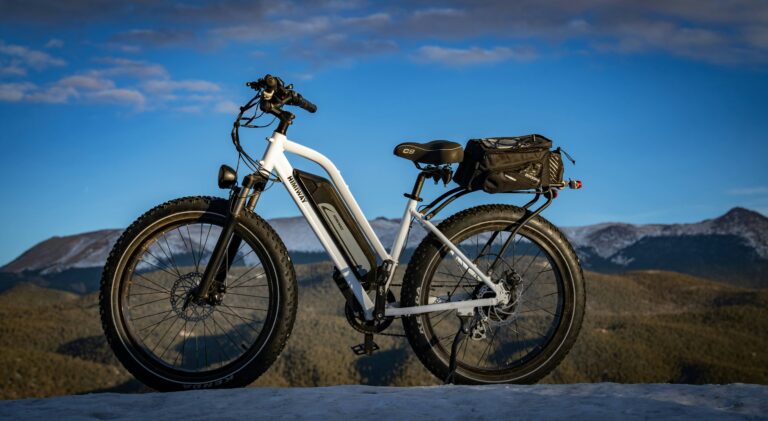
Fat Tire E-Bikes
Best for:
- Sand
- Snow
- Gravel
- Rough terrain
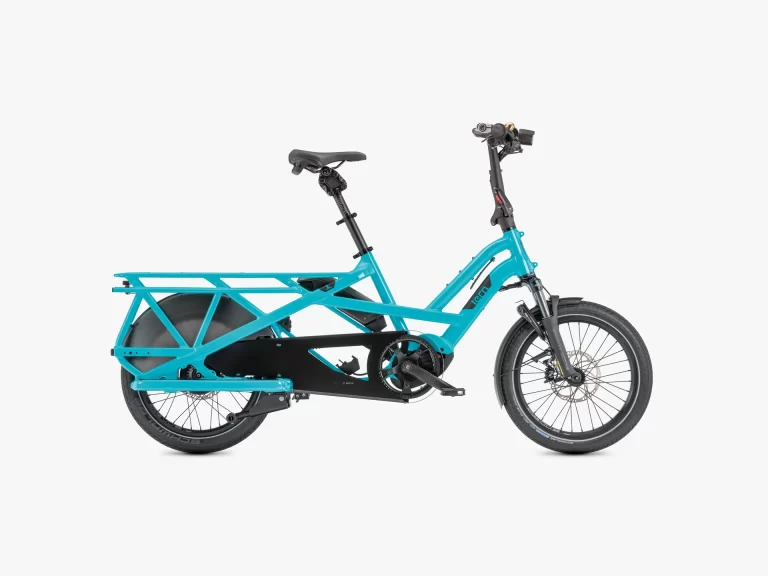
Cargo E-Bikes
Best for:
- Groceries
- Kids
- Heavy loads
Lightweight E-Bikes
Best for:
- Easier handling
- Lifting and transportation
- Smaller riders
Pay close attention to rider height recommendations, standover height, and frame style. A properly fitting e-bike is often more important than having the most powerful motor.
I always recommend identifying how you’ll actually use the bike first and then narrowing your search within that category.
Related Reading
3. Skipping Test Rides
Specifications only tell part of the story.
Nothing replaces actually riding an e-bike before buying.
A test ride helps you evaluate:
- Riding comfort
- Motor responsiveness
- Brake feel
- Stability
- Handlebar positioning
- Seat comfort
- Ease of mounting and dismounting
Even bikes with similar specifications can feel completely different on the road.
If a local dealer offers test rides, take advantage of the opportunity.
If you’re buying online, look for detailed video reviews and real rider feedback since many direct-to-consumer brands don’t have local dealerships.
4. Disregarding Battery Range and Battery Quality
The battery is one of the most important components on an electric bike.
Many new riders focus only on advertised range numbers without understanding how range is calculated.
Real-world range depends on:
- Rider weight
- Terrain
- Wind conditions
- Tire pressure
- Pedal assist level
- Cargo weight
- Temperature
A bike advertised with an 80-mile maximum range may deliver considerably less in real-world conditions, especially when using higher assist levels, climbing hills, carrying cargo, or riding into headwinds.
When comparing batteries, pay attention to:
- Watt-hours (Wh)
- Battery brand
- Charging time
- Warranty coverage
- Whether the battery is removable
If you’re new to electric bikes and want a deeper understanding of battery capacity, charging, lifespan, range, and maintenance, check out our complete E-Bike Battery Guide.
The U.S. Department of Energy notes that battery performance can vary significantly based on operating conditions and temperature.
Related Reading
- How Far Can an E-Bike Go?
- How Often Should You Charge Your E-Bike Battery?
- Common E-Bike Battery Mistakes That Shorten Battery Life
5. Ignoring E-Bike Weight
This is one of the most overlooked mistakes new buyers make.
Many riders focus on motor power and battery size while completely ignoring bike weight.
That becomes a problem when it’s time to:
- Lift the bike onto a vehicle rack
- Carry it upstairs
- Store it indoors
- Transport it in a vehicle
Some fat tire and dual-battery e-bikes weigh 80 to 100+ pounds.
As someone who regularly reviews e-bikes, I can tell you that a lighter bike is often easier to live with than a heavier bike with slightly more power.
If portability matters to you, always check the bike’s listed weight before buying.
Related Reading
6. Focusing Only on Design
A great-looking bike can be tempting.
But looks alone should never determine your purchase.
A stylish bike won’t help much if:
- The motor struggles on hills
- The battery doesn’t meet your needs
- The frame doesn’t fit properly
- The brakes perform poorly
- The ride feels uncomfortable
Comfort, reliability, and performance should always come before appearance.
Choose the bike that rides well first. The looks are simply a bonus.
7. Neglecting Maintenance Requirements
Electric bikes require less maintenance than many people expect, but they are not maintenance-free.
E-bikes generally require the same routine maintenance as traditional bicycles, with the added responsibility of caring for the battery and electrical system.
Routine care helps prevent expensive repairs and improves reliability.
Basic maintenance includes:
- Checking tire pressure
- Cleaning the drivetrain
- Lubricating the chain
- Inspecting brake pads
- Monitoring battery health
- Checking bolts and fasteners
Many manufacturers recommend periodic inspections to ensure safe operation.
Related Reading
- Electric Bike Maintenance & Troubleshooting Hub
- Electric Bike Maintenance Checklist
- How to Fix Brakes on an Electric Bike
- How To Change a Tire on an Electric Bike
- How to Reset an Electric Bike
- Troubleshooting Overheating Electric Bike Motors
8. Not Understanding Local E-Bike Laws
Many beginners purchase an e-bike before understanding local regulations.
Depending on where you live, different rules may apply to:
- Class 1 e-bikes
- Class 2 e-bikes
- Class 3 e-bikes
- Helmet requirements
- Trail access
- Sidewalk riding
Before buying, take a few minutes to review the laws where you plan to ride.
This is especially important if you’re considering a faster Class 3 e-bike, since some trails and multi-use paths restrict access to certain classes.
Understanding the rules can help you avoid buying an e-bike that doesn’t fit your local riding opportunities.
Related Reading
- State-by-State E-Bike Laws Guide
- Can You Ride an E-Bike on the Sidewalk?
- Understanding Electric Bike Classes
9. Not Considering After-Sales Support and Warranty
Many buyers focus entirely on specifications while overlooking the company standing behind the bike.
Customer service becomes very important if you need:
- Replacement parts
- Warranty support
- Technical assistance
- Battery replacements
- Service guidance
Before purchasing, look for:
- Warranty length
- Battery warranty coverage
- Availability of replacement parts
- Availability of replacement batteries
- Customer reviews
- Dealer support options
A strong warranty and responsive customer service can make ownership much easier.
My Take
After reviewing hundreds of e-bikes and talking with riders across many different riding styles, I’ve found that the biggest mistake isn’t buying an e-bike.
It’s buying the wrong e-bike.
Many riders get caught up in motor wattage, top speed, and flashy features. In reality, comfort, fit, reliability, and choosing the right bike for your intended use matter much more over the long term.
If you’re buying your first electric bike, focus on how you’ll actually use it every day. That’s usually the best path to long-term satisfaction.
FAQs
Most quality lithium-ion e-bike batteries are rated for approximately 500 to 1,000 full charge cycles. Depending on usage, charging habits, and storage conditions, many riders get 3 to 7 years of useful life before noticeable capacity loss occurs.
For many new riders, a Class 2 e-bike offers a good balance of versatility and ease of use. Class 3 e-bikes can be excellent for commuting but may face additional restrictions in some locations.
Not necessarily. Most riders find a single battery provides plenty of range. Dual-battery systems are generally best for riders who regularly cover long distances.
Both options have advantages. Online brands often provide more features for the money, while local bike shops may offer assembly, service, and test rides.
Many quality beginner-friendly e-bikes fall between $1,000 and $2,000. Spending slightly more on a reliable model is often cheaper than replacing a poorly built bike later.
Final Thoughts
Buying your first electric bike doesn’t have to be overwhelming.
By avoiding these common mistakes and focusing on your actual riding needs, you’ll dramatically increase your chances of finding an e-bike you’ll enjoy for years.
Take your time, compare several models, read real rider feedback, and think carefully about where and how you’ll ride most often.
A little extra research today can save a lot of frustration and money later while helping you choose an electric bike that truly fits your lifestyle.
Happy riding!
External Sources
- U.S. Department of Energy – Battery performance, energy efficiency, and factors that affect electric vehicle and battery range.
https://www.energy.gov - PeopleForBikes E-Bike Laws Database – Comprehensive information on e-bike classifications and state-specific e-bike regulations across the United States.
https://www.peopleforbikes.org - Consumer Product Safety Commission (CPSC) – Safety information and consumer guidance related to bicycles, e-bikes, batteries, and safe riding practices.
https://www.cpsc.gov - League of American Bicyclists – Educational resources covering bicycle maintenance, safety, commuting, and rider best practices.
https://bikeleague.org - National Highway Traffic Safety Administration (NHTSA) – Transportation safety information and guidance that can help riders better understand roadway safety practices.
https://www.nhtsa.gov

Kristina is not just an enthusiast but a true authority on electric bikes. Nestled in the coastal beauty of Virginia, Kristina has found the perfect backdrop for her passion for electric biking. As a dedicated wife and homeschooling mom, her life revolves around family, faith, and the thrill of adventure.
Originally hailing from Ohio, Kristina's journey with electric bikes began as a curiosity and quickly evolved into a deep expertise. Her blog is a testament to her love for electric biking, combining her fascination for eco-friendly transportation with her coastal lifestyle.
When she's not cruising the beach on her electric bike, you'll find Kristina indulging in her other loves: long walks along the shore, getting lost in a good book, and cherishing moments with her loved ones. With a heart as big as her love for animals, especially cats, Kristina brings a unique perspective to the electric bike world, grounded in her strong faith in God and her dedication to a sustainable lifestyle.
Through her blog, Kristina shares her extensive knowledge of electric bikes, offering valuable insights, tips, and recommendations to fellow enthusiasts. Whether you're a seasoned rider or a newcomer to the electric bike scene, Kristina's blog is your go-to source for all things electric biking, fueled by her passion, expertise, and the scenic beauty of coastal Virginia.