
Amsterdam Targets High-Speed Electric Fat Bikes in Parks – What Riders Need to Know
Last Updated on January 22, 2026 by Kristina
Amsterdam is preparing to crack down on a growing problem in its most iconic public spaces: large, high-speed electric fat bikes riding through crowded parks and pedestrian areas.
City officials say the move comes after a sharp increase in complaints, near-misses, and crashes involving powerful electric fat bikes, especially in places like Vondelpark, one of the busiest and most popular parks in the Netherlands.
The proposed restrictions are not aimed at traditional pedal-assist e-bikes. Instead, they focus on oversized, high-powered fat bikes that blur the line between bicycles and light electric vehicles.
Before we go deeper, here are two helpful guides if you are trying to understand how e-bike laws and power limits work in different regions:
- State-by-State Guide to E-Bike Laws in the U.S.
- How E-Bike Classes Define Speed Limits and What’s Legal
Why Amsterdam Is Taking Action
Amsterdam is one of the most bike-friendly cities in the world, but officials say the size, weight, and speed of some modern electric fat bikes are creating new safety risks in shared spaces.
These bikes often feature:
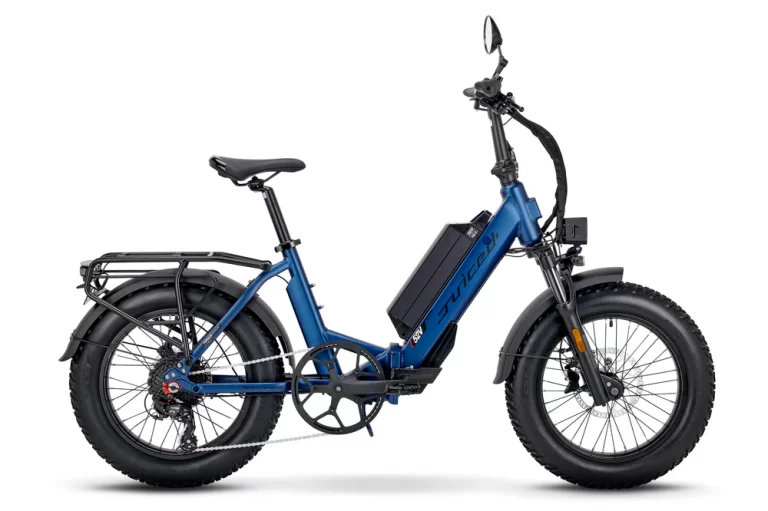
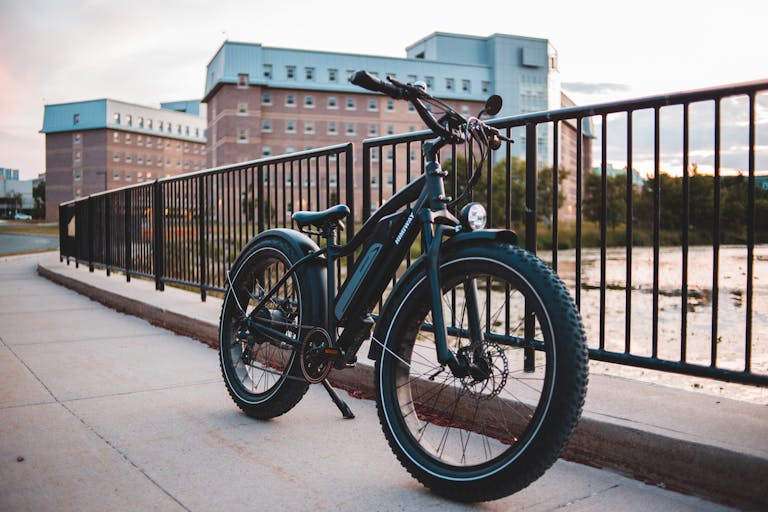
- Wide, heavy frames
- Large, knobby tires
- High-torque motors
- Strong acceleration and sustained higher cruising speeds
While popular with commuters and younger riders, city leaders say these bikes do not mix well with crowded park paths filled with pedestrians, children, tourists, and casual cyclists.
Authorities report a growing number of incidents involving:
- Riders traveling too fast for mixed-use paths
- Heavier bikes that take longer to stop
- Conflicts between walkers and motor-assisted riders in narrow park lanes
How This Fits Into Dutch and EU E-Bike Law
Across the Netherlands and most of the European Union, electric bikes are generally divided into two legal categories:
Standard Pedal-Assist E-Bikes (EPACs)
- Motor assist up to 25 km/h (15.5 mph)
- Maximum continuous motor power of 250W
- No license, insurance, or registration required
- Treated legally as bicycles
Speed and High-Power E-Bikes (S-Pedelecs and Modified Models)
- Motor assist above 25 km/h
- Often exceed power or speed limits
- May require:
- Registration
- Insurance
- Approved helmet
- Restricted access to certain bike paths and roads
Amsterdam’s proposal targets bikes that function closer to this second category, especially when used in pedestrian-heavy park areas designed for slow, social riding.
What Counts as a “High-Speed” Fat Bike?
Not all electric fat bikes fall into this group. Officials are generally concerned about models that show one or more of the following traits:
- Motors that exceed EU legal power limits
- Modified controllers that unlock higher speeds
- Throttle-based operation instead of pedal assist
- Heavy frames paired with strong acceleration
- Battery systems designed for sustained high-speed riding
This distinction matters for riders who own fully legal, pedal-assist fat bikes and worry about being grouped in with higher-powered or modified models.
What the Proposed Restrictions Would Do
Under the current plan, high-speed or high-power electric fat bikes could be banned from certain public park areas, including Vondelpark and other high-traffic green spaces.
While the final rules are still being shaped, the proposal is expected to include:
- No motor-assisted riding in designated park zones
- Clear signage at park entrances
- Possible spot checks by city officers
- Fines for repeated violations
- Rental restrictions for high-powered or throttle-based models
Standard pedal-assist e-bikes that comply with EU speed and power limits are expected to remain allowed, though riders may still be required to slow down or dismount in heavily crowded areas.
How Enforcement Is Likely to Work
Based on similar policies in other European cities, enforcement may involve:
- Increased park signage and public awareness campaigns
- Visual inspections of bike type and setup
- Questions about motor assist and speed capability
- Fines for non-compliance rather than immediate confiscation
For visitors, this means not knowing the rules is unlikely to be a valid excuse, especially in major tourist zones.
What This Means If You Are Visiting Amsterdam
If you plan to rent or bring an e-bike into the city:
Before You Ride
- Ask rental shops if their bikes are park-legal
- Look for posted rules at park entrances
- Avoid throttle-based or high-speed models in pedestrian areas
Safer Alternatives
- Use dedicated bike lanes instead of park paths
- Walk your bike through crowded zones
- Choose standard city e-bikes over fat-tire or high-power models
How This Could Affect E-Bike Buyers
This trend sends a clear message to buyers:
Cities are increasingly regulating where powerful e-bikes can be used, not just whether they can be owned.
Before purchasing a fat-tire or high-power e-bike, it is worth asking:
- Will this bike be allowed in parks and shared paths?
- Is it clearly classified as a legal pedal-assist model?
- Could it be mistaken for a moped or e-moto?
A Broader Trend Across Europe
Amsterdam is not alone. Cities across Europe are working to separate:
- Traditional pedal-assist e-bikes that behave like bicycles
- High-powered or modified e-bikes that function more like light motor vehicles
As battery and motor technology advances, local governments are adjusting policies to better match how these bikes are actually used in dense urban environments.
Safety Tips for Riding in Shared Spaces
If you ride any type of e-bike in parks or pedestrian-heavy areas:
- Keep speed under 10–12 mph
- Use a bell or voice call when passing
- Avoid sudden acceleration
- Be prepared to stop quickly
- Always yield to walkers, children, and pets
My Take on Amsterdam’s Fat Bike Restrictions
From a safety-first perspective, I understand why cities like Amsterdam are stepping in.
When you mix high-speed, heavy electric bikes with crowded pedestrian spaces, the risk rises quickly. Parks are not built for fast commuting. They are built for families, walkers, casual riders, and people who expect a slower, calmer environment.
That said, I do not think the real issue is “fat bikes” as a category. The bigger problem is power, speed, and rider behavior.
A properly limited pedal-assist fat bike ridden responsibly is very different from a modified or high-powered model being pushed at near-moped speeds.
If cities focus too broadly on banning certain bike styles instead of enforcing speed limits, power caps, and safe riding practices, they risk discouraging e-bike adoption altogether. That would be a step backward for clean transportation and practical urban mobility.
The challenge going forward is finding the balance between keeping public spaces safe and preserving the freedom that makes cycling and e-bikes such a powerful alternative to cars.
For more news on electric bikes click here

Kristina is not just an enthusiast but a true authority on electric bikes. Nestled in the coastal beauty of Virginia, Kristina has found the perfect backdrop for her passion for electric biking. As a dedicated wife and homeschooling mom, her life revolves around family, faith, and the thrill of adventure.
Originally hailing from Ohio, Kristina's journey with electric bikes began as a curiosity and quickly evolved into a deep expertise. Her blog is a testament to her love for electric biking, combining her fascination for eco-friendly transportation with her coastal lifestyle.
When she's not cruising the beach on her electric bike, you'll find Kristina indulging in her other loves: long walks along the shore, getting lost in a good book, and cherishing moments with her loved ones. With a heart as big as her love for animals, especially cats, Kristina brings a unique perspective to the electric bike world, grounded in her strong faith in God and her dedication to a sustainable lifestyle.
Through her blog, Kristina shares her extensive knowledge of electric bikes, offering valuable insights, tips, and recommendations to fellow enthusiasts. Whether you're a seasoned rider or a newcomer to the electric bike scene, Kristina's blog is your go-to source for all things electric biking, fueled by her passion, expertise, and the scenic beauty of coastal Virginia.