
How to Prevent E-Bike Brake Freezing and Cable Lockout in Cold Weather
Last Updated on January 24, 2026 by Kristina
Cold weather can turn perfectly good e-bike brakes into a serious safety risk. If you’ve ever squeezed the lever and felt it move slowly, not return, or barely engage at all, you’ve likely experienced brake freezing or cable lockout.
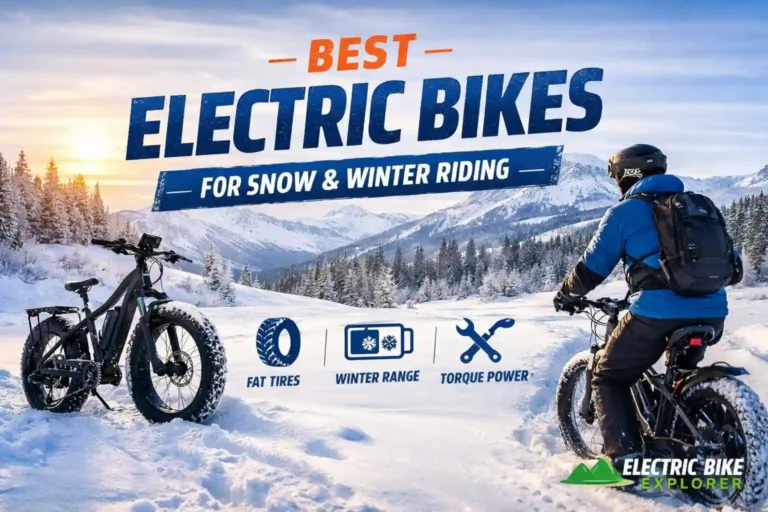
This guide walks you through why it happens, how to prevent it, and what to do if it hits mid-ride. Whether you ride a commuter, fat tire winter build, or everyday hub-motor bike, these tips apply across the board. If you’re new to winter riding, it also helps to start with our E-Bike Buying Guide to understand how brake systems, motors, and battery performance change in cold weather, and our breakdown of best winter e-bikes for snow and cold weather riding for bikes built to handle freezing conditions.
📖 Read Next
E-Bike Troubleshooting & Maintenance Guide
E-Bike Battery Guide: Types, Charging, Range, Lifespan, and Care
Understanding eBike Voltage: 36V vs 48V vs 52V — Which Is Right for You?
Top 10 E-Bike Maintenance Mistakes That Damage Your Motor (and How to Avoid Them)
E-Bike Software Updates: Why They Matter & How to Get Them
How to Build Your Own Ebike From Scratch
Who This Guide Is For (and Who It’s Not)
This guide is for:
- Winter commuters
- Fat tire e-bike riders
- Cold climate riders
- Budget e-bike owners with mechanical brakes
- Anyone storing their bike outdoors
This may not be for:
- Fair-weather-only riders
- Warm climate users
- Riders with enclosed, high-end hydraulic systems who never ride below freezing
Why E-Bike Brakes Freeze in the First Place
Brake freezing usually comes down to moisture + cold + cable housing.
Here’s what’s happening inside your system:
- Water sneaks into brake cable housing through worn seals or exposed ends
- Overnight temperatures drop below freezing
- That moisture turns into ice inside the housing
- The cable can’t slide freely, causing slow return or total lockout
Hydraulic systems can also thicken in extreme cold, but mechanical cable brakes are far more vulnerable to full freeze-ups.
Signs Your Brakes Are About to Freeze
Catching problems early can prevent a dangerous ride.
Watch for:
- Brake lever feels stiff or slow to return
- Brakes stay partially engaged after releasing the lever
- You hear cracking or grinding when squeezing the lever
- Reduced braking power in cold mornings
If you notice any of these, address it before riding at speed.
🧊 Most Common Freeze Points
These spots trap moisture and cold air:
- Cable housing ends near the caliper
- Entry points at the brake lever
- Low points in the cable routing where water pools
- Exposed cable sections near the front fork
Fat tire and folding e-bikes are especially prone because they often have longer, more curved cable runs.
Brake Freezing Risk by Brake Type
| Brake Type | Freeze Risk | Why It Freezes | Winter Reliability | Best For |
|---|---|---|---|---|
| Mechanical Disc (Cable) | High | Moisture enters housing and freezes around cable | Fair with sealing & lube | Budget e-bikes, commuters |
| Mechanical Rim Brakes | High | Exposed cables + wet rims in snow/slush | Poor in winter | Fair-weather riders |
| Hydraulic Disc (Mineral Oil) | Low | Fluid thickens in extreme cold | Good | Cold climates |
| Hydraulic Disc (DOT Fluid) | Very Low | DOT fluid resists cold better | Excellent | Daily winter commuters |
How to Prevent Brake Freezing (Step-by-Step)
1. Switch to Sealed Cable Housing
Standard housing lets moisture in. Compressionless, sealed housing keeps water out and maintains consistent braking feel in winter.
This is the single biggest upgrade if you ride in snow or slush regularly.
2. Lubricate the Inner Cable Properly
Do not use heavy grease.
Use:
- Dry PTFE bike cable lube
- Light silicone-based lubricant
How:
- Pull the cable partially out of the housing
- Apply a thin coat
- Slide it back and work the brake lever to distribute
This prevents ice from bonding inside the housing.
3. Seal the Cable Ends
Use:
- Rubber cable boots
- Heat shrink tubing
- Small zip-tie + electrical tape wrap
This simple step alone can stop a large percentage of winter freeze issues.
4. Adjust Cable Routing
Look for:
- Low hanging loops
- Sharp bends
- Downward-facing housing ends
Re-route so water naturally drains away from the brake caliper instead of pooling inside the housing.
5. Store Smart When Possible
Even short indoor storage helps.
Best options:
- Garage instead of outdoors
- Inside overnight when temps drop below freezing
- Avoid parking in melting snowbanks or slush zones
Letting ice melt inside the housing overnight prevents repeated freeze cycles that damage cables.
Why Your Brakes Keep Freezing Even After You Fixed Them
If you’ve already lubed your cables and they’re still freezing, one of these is usually the culprit:
- Damaged housing liner – Once cracked, water gets in no matter how much lube you add
- Missing or loose ferrules – These tiny caps seal moisture out of housing ends
- Repeated freeze-thaw cycles – Parking indoors melts ice, then refreezes it deeper inside
- Water wicking upward from the caliper – Gravity pulls meltwater into the housing over time
Pro tip: If freeze-ups happen more than twice in a season, replacing housing is often faster and safer than trying to save it.
When to Replace Brake Cables Instead of Repairing
Replace your cables if you notice:
- Rust stains near housing ends
- Frayed cable strands
- Crunching or grinding feel inside housing
- Brakes that don’t return even when warmed indoors
Winter-rated upgrade checklist:
- Stainless steel inner cables
- Fully sealed compressionless housing
- Rubber ferrules or weather boots
- Inline barrel adjusters for cold-glove tuning
Storage Mistakes That Make Brake Freezing Worse
Avoid these in winter:
- Hanging the bike vertically – Water runs down into cable housing
- Parking next to snow piles – Meltwater seeps into exposed cable ends
- Using bike covers that trap moisture – They prevent drying, not freezing
- Leaving brakes engaged while parked – Tension lets ice lock the cable in place
Better option: Park with brakes released and the front wheel turned slightly to encourage drainage.
Brake Freeze vs Iced Rotors – Not the Same Problem
Sometimes your brakes feel weak, not stuck. That’s usually rotor icing, not cable freeze.
Cable freeze feels like:
- Lever barely moves
- Brakes stay engaged
Iced rotor feels like:
- Lever moves normally
- Braking power drops suddenly
- Loud scraping sound
Quick fix for rotor ice: Lightly drag the brakes for 10 to 20 seconds to warm and dry the rotor surface.
60-Second Winter Brake Warm-Up Routine
Before rolling out in freezing temps:
- Squeeze both brake levers 10 times
- Spin wheels and check free movement
- Lightly brake while walking the bike forward
- Listen for grinding or delayed release
This warms cables slightly and can prevent a lockup before it starts.
What to Look For in a Winter-Ready Brake Setup
Cable Housing: Fully sealed or compressionless housing keeps moisture out
Lubrication: Dry lube that won’t thicken in cold
Routing: Smooth runs with no low points for water to collect
Brake Type: Hydraulic systems resist freezing better than mechanical cables
👉 If you’re also choosing a bike for cold-weather performance, understanding torque vs wattage for e-bike winter riding can help you pick a motor system that stays controllable and predictable on slick surfaces.
Prefer a visual walkthrough? This short winter e-bike maintenance video shows how cold weather affects brake cables, housings, and overall control, along with simple steps you can take to keep your brakes responsive and safe in freezing conditions.
What Can Happen If You Ignore Brake Freezing
Riding with partially frozen brakes can lead to:
- Overheated rotors
- Premature pad wear
- Sudden wheel lock on downhill sections
- Loss of traction on snow or ice
- Cable snap under tension
What starts as a maintenance issue can quickly become a crash risk, especially for commuters riding in traffic.
Best Winter Brake Setup (Quick Recommendation)
Best choice for most winter commuters:
Mechanical disc brakes with sealed compressionless housing, stainless cables, and rubber ferrules
Best for extreme cold riders:
Mineral oil hydraulic disc brakes with winter-rated hoses
Best budget upgrade:
Replace housing only and keep your existing calipers and levers
Emergency Fix If Your Brakes Freeze Mid-Ride
If you’re stuck:
- Find shelter from wind
- Squeeze and release the brake lever repeatedly
- Warm the cable housing with gloved hands
- If possible, roll the bike indoors for 5 to 10 minutes
Never ride downhill or in traffic with partially engaged or unresponsive brakes.
Maintenance Schedule for Cold-Weather Riders
Weekly:
- Check lever return speed
- Wipe down exposed cable sections
Monthly:
- Inspect housing ends
- Reapply light cable lube
Seasonal:
- Replace worn housing
- Re-route cables if needed
- Consider upgrading to sealed systems
FAQs
Can WD-40 prevent brake freezing?
No. It displaces water temporarily but strips proper lubrication and attracts dirt. Use bike-specific dry cable lube instead.
Do fat tire e-bikes freeze more often?
Yes. Longer cable runs and front suspension forks create more low points for water to collect.
Is it safe to pour hot water on frozen brakes?
No. Rapid temperature change can crack housing liners and warp rotors.
How cold is too cold for cable brakes?
Below 20°F (-6°C), freeze risk rises sharply if moisture is present.
Final Thoughts
Brake freezing is one of those problems that feels small until it becomes dangerous. The good news is most winter brake failures are preventable with basic sealing, lubrication, and smart routing.
You don’t need premium parts or an expensive e-bike. You just need to keep water out of the system and movement smooth inside it.

Kristina is not just an enthusiast but a true authority on electric bikes. Nestled in the coastal beauty of Virginia, Kristina has found the perfect backdrop for her passion for electric biking. As a dedicated wife and homeschooling mom, her life revolves around family, faith, and the thrill of adventure.
Originally hailing from Ohio, Kristina's journey with electric bikes began as a curiosity and quickly evolved into a deep expertise. Her blog is a testament to her love for electric biking, combining her fascination for eco-friendly transportation with her coastal lifestyle.
When she's not cruising the beach on her electric bike, you'll find Kristina indulging in her other loves: long walks along the shore, getting lost in a good book, and cherishing moments with her loved ones. With a heart as big as her love for animals, especially cats, Kristina brings a unique perspective to the electric bike world, grounded in her strong faith in God and her dedication to a sustainable lifestyle.
Through her blog, Kristina shares her extensive knowledge of electric bikes, offering valuable insights, tips, and recommendations to fellow enthusiasts. Whether you're a seasoned rider or a newcomer to the electric bike scene, Kristina's blog is your go-to source for all things electric biking, fueled by her passion, expertise, and the scenic beauty of coastal Virginia.