
Can You Ride an E-Bike on the Beach? Everything You Need to Know
Last Updated on February 5, 2025 by Kristina
Electric bikes are a great way to explore different terrains, but what about the beach? If you’re wondering whether you can ride an e-bike on sand, the answer is yes, but with some important considerations. This guide covers the best e-bikes for sand, tips for riding on the beach, tire pressure recommendations, and how to prevent damage from sand exposure.
Best E-Bikes for Sand and Beach Riding
Not all e-bikes are built for beach riding. Here’s what to look for in an electric bike that can handle sand effectively:
1. Fat Tire Electric Bike for Beach Riding
Fat tire e-bikes are the best choice for sandy conditions. Their wider tires provide better traction and prevent sinking.
| Feature | Why It’s Important for Beach Riding |
|---|---|
| Fat Tires (4″ or wider) | Increases surface area for stability |
| Powerful Motor (750W or more) | Helps navigate soft sand |
| Pedal Assist & Throttle | Makes riding easier on resistance-heavy terrain |
| Rust-Resistant Components | Protects against salty air exposure |
Best E-Bikes for Sand
If you’re looking for an e-bike specifically designed for beach riding, consider these top models:
1. RadRover 6 Plus
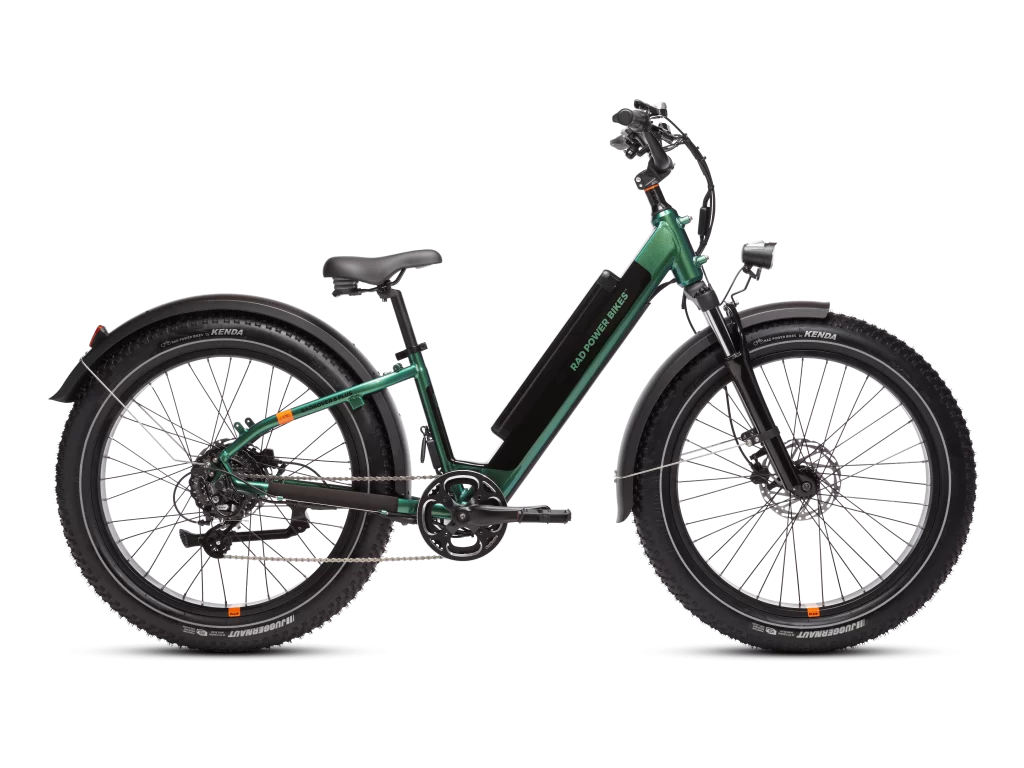
- Motor: 750W geared hub motor
- Tires: 26″ x 4″ fat tires
- Brakes: Hydraulic disc brakes
- Battery: 48V, 14Ah (672Wh)
- Range: Approximately 25-45 miles per charge
- Weight: 73 pounds with the battery
- Payload Capacity: 275 pounds
Read our Full Review on the RadPower RadRover Plus 6
2. Aventon Aventure

- Motor: 750W (1130W peak)
- Tires: 4″ fat tires
- Brakes: Hydraulic disc brakes
- Battery: 720Wh
- Range: Up to 60 miles
- Weight: 77 pounds
- Payload Capacity: 400 pounds
Read our Full Review of the Aventon Aventure 2
3. Himiway Cruiser
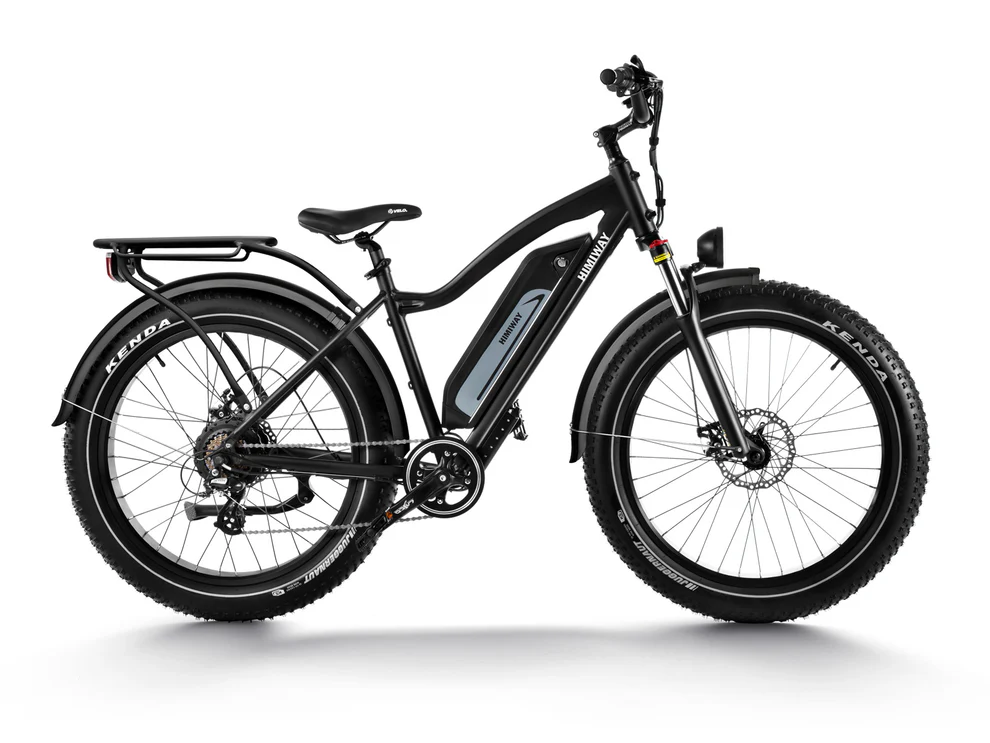
- Motor: 750W geared hub motor with 80 Nm torque
- Tires: 26″ x 4″ fat tires
- Brakes: Mechanical disc brakes with 180mm rotors
- Battery: 48V, 17.5Ah (840Wh)
- Range: Approximately 35-60 miles per charge
- Weight: 72 pounds
- Payload Capacity: 350 pounds
Read our Full Review of the Himiway Cruiser
Can You Ride an Electric Bike on Soft Sand?
Riding an electric bike on soft sand is possible but challenging. Soft sand creates more resistance, making it harder for standard tires to maintain traction. Fat tire e-bikes with proper PSI settings work best in these conditions.
How to Ride an Electric Bike on the Beach Without Sinking
Here are some practical tips for riding an e-bike on the sand:
- Lower Your Tire Pressure – Reduce PSI to 5-10 for better grip and weight distribution.
- Stick to Hard-Packed Sand – Riding near the water where the sand is firmer makes pedaling easier.
- Use Pedal Assist – Start with low pedal assist to avoid wheel spin.
- Maintain Momentum – A steady speed prevents the bike from bogging down.
- Avoid Sudden Turns – Quick movements can cause loss of traction.
What PSI to Use for Fat Tire E-Bikes on the Beach?
Proper tire pressure is key to riding successfully on the beach:
| Riding Surface | Recommended PSI |
| Soft Sand | 5-10 PSI |
| Hard-Packed Sand | 12-15 PSI |
| Mixed Terrain | 15-20 PSI |
Lower PSI increases the tire’s surface area, preventing the bike from sinking into the sand.
Beach Laws and Regulations for Electric Bikes
Before taking your e-bike to the beach, check local laws. Regulations vary by location:
- Some beaches allow e-bikes only on designated paths.
- Class 1 and 2 e-bikes (pedal assist & throttle) are permitted in most areas.
- Class 3 e-bikes (28 mph max speed) may be restricted.
- State and federal parks have their own rules—always check before you ride.
For official regulations, visit local government websites or park service pages.
How to Prevent Sand Damage on an Electric Bike
Riding on the beach exposes your e-bike to sand and salt, which can cause corrosion and mechanical issues. Here’s how to protect your bike:
- Rinse After Every Ride – Use fresh water to remove sand and salt buildup.
- Lubricate the Chain – Apply a rust-resistant lube to protect moving parts.
- Check the Battery & Connections – Sand can get into the electrical system, so keep it clean.
- Store Indoors – Avoid long-term exposure to salty air.
- Use Fenders – Reduces the amount of sand hitting the drivetrain.
Final Thoughts
Yes, you can ride an electric bike on the beach, but preparation is key. Choosing the right e-bike, lowering tire pressure, and following maintenance tips will help you enjoy smooth beach rides without damaging your bike. Before heading out, make sure to check local beach laws and regulations to ensure you’re riding legally.
Have you taken your e-bike on the beach? Share your experience, tips, or any questions in the comments below! Let’s help each other ride smarter and have more fun on the sand.
RELATED CONTENT

Kristina is not just an enthusiast but a true authority on electric bikes. Nestled in the coastal beauty of Virginia, Kristina has found the perfect backdrop for her passion for electric biking. As a dedicated wife and homeschooling mom, her life revolves around family, faith, and the thrill of adventure.
Originally hailing from Ohio, Kristina's journey with electric bikes began as a curiosity and quickly evolved into a deep expertise. Her blog is a testament to her love for electric biking, combining her fascination for eco-friendly transportation with her coastal lifestyle.
When she's not cruising the beach on her electric bike, you'll find Kristina indulging in her other loves: long walks along the shore, getting lost in a good book, and cherishing moments with her loved ones. With a heart as big as her love for animals, especially cats, Kristina brings a unique perspective to the electric bike world, grounded in her strong faith in God and her dedication to a sustainable lifestyle.
Through her blog, Kristina shares her extensive knowledge of electric bikes, offering valuable insights, tips, and recommendations to fellow enthusiasts. Whether you're a seasoned rider or a newcomer to the electric bike scene, Kristina's blog is your go-to source for all things electric biking, fueled by her passion, expertise, and the scenic beauty of coastal Virginia.