Winter E-Bike Riding Guide: Battery, Traction, Clothing & Safety
Last Updated on September 19, 2026 by Kristina
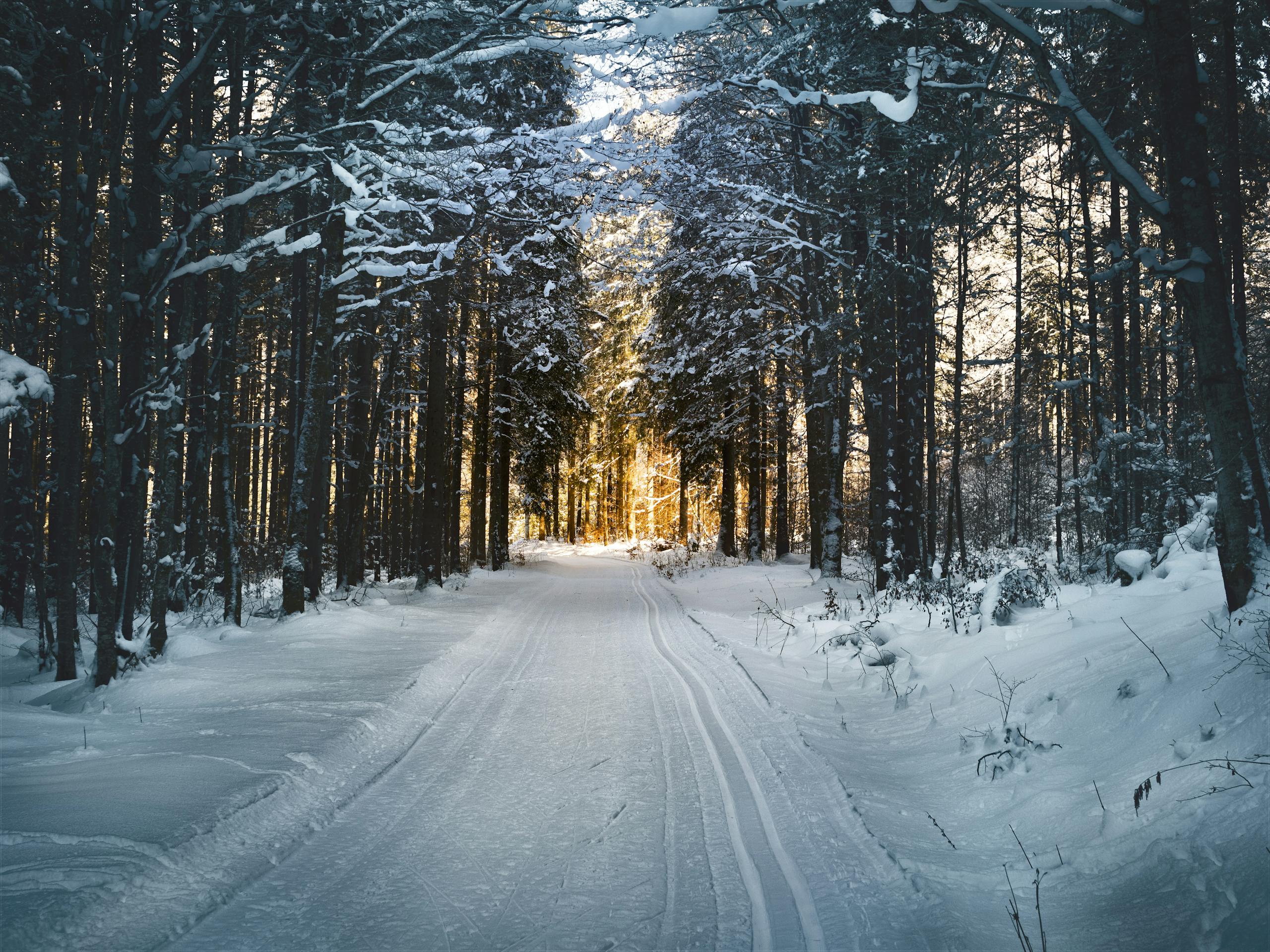
Winter e-bike riding can be practical, but cold weather changes battery performance, traction, braking, visibility, and rider comfort. The safest approach is to plan around the actual conditions, follow your battery manufacturer’s temperature limits, use tires suited to the surface, and skip the ride when ice or visibility makes the route unreasonable.
If snow or ice is common where you ride, start with my guide to riding an e-bike safely on ice and snow. For battery-specific winter care, see my winter e-bike battery care guide.
🔧 How This Guide Was Researched
This guide is based on manufacturer instructions, established safety guidance, technical references, and common rider experiences. Stop using or charging the bike if you notice smoke, swelling, unusual heat, damaged wiring, sparks, or a strong chemical odor.
Safety First
Winter conditions can create hazards that equipment cannot fully solve. Do not ride through widespread untreated ice, freezing rain, dangerously poor visibility, or conditions beyond your tires, route, and riding ability. If the battery or display shows a temperature-related warning, follow the manufacturer’s instructions before riding or charging.
Quick Winter E-Bike Pre-Ride Checklist
- Check the forecast for freezing rain, refreeze, snow, and visibility.
- Inspect tire condition and pressure, staying within the tire and rim manufacturer’s permitted range.
- Test both brakes and make sure rotors and braking surfaces are clean.
- Confirm front and rear lights work and add reflective or high-visibility gear when conditions are dim.
- Start with enough battery reserve for the cold, terrain, wind, and assist level you expect to use.
- Make sure the battery is within the manufacturer’s permitted operating temperature range.
- Plan a route that avoids untreated ice, steep icy descents, and high-speed traffic where possible.
Protecting Your E-Bike Battery in Cold Weather
Cold weather can temporarily reduce lithium-ion battery performance and real-world range. There is no universal percentage loss that applies to every e-bike. Temperature, battery design and age, assist level, terrain, rider and cargo weight, wind, tire pressure, stop-and-go riding, and speed all affect how far a charge will take you.
That is why I do not use a fixed winter range-loss chart. If you are planning a cold-weather route, leave more battery reserve than you would in mild conditions and use my e-bike range calculator as a planning tool rather than relying only on the maximum range printed on a product page.
Charging a Cold Battery
Do not use one generic temperature rule for every e-bike battery. Follow the charging-temperature range in the manual for your exact battery and charger. Allow a cold battery to reach the manufacturer’s permitted charging range before connecting the charger.
For example, Bosch specifies a charging range of 0°C to 40°C (32°F to 104°F) for the battery guidance cited below. That is Bosch-specific guidance, not a universal specification for every e-bike battery.
The U.S. Consumer Product Safety Commission also recommends using the charger supplied by the manufacturer or an approved replacement, being present while charging, unplugging the charger when charging is complete, and not charging while sleeping.
Winter Storage
If the bike will sit unused for an extended period, follow the battery manufacturer’s storage instructions. Bosch recommends storing its e-bike batteries in a dry location at room temperature with roughly 30% to 60% state of charge. Other systems may specify a different range, so check the manual for your battery rather than copying Bosch’s numbers to a different brand.
My winter battery care guide goes deeper into charging, storage, range, and cold-weather precautions.
Winter Tires, Traction, and Tire Pressure
Snow, slush, wet pavement, and ice require different tire choices. A tire that works well in loose snow is not automatically the best choice on hard ice.
Studded, Wide, and All-Weather Tires
- Studded winter tires: Metal studs can materially improve traction on ice and hard-packed winter surfaces. They do not make every icy road safe.
- Wide or fat tires: A larger footprint can improve flotation and stability in loose snow, but width alone does not provide the same bite on ice as studs.
- All-weather or deeper-tread tires: These can be useful on cold wet pavement, slush, and lighter snow where continuous ice is not the main problem.
My winter e-bike tire guide compares studded and all-weather options in more detail.
Should You Lower Tire Pressure in Winter?
Sometimes. A modest reduction in pressure can increase the tire’s contact area and help with grip, but there is no safe universal percentage such as 10% or 20%. Rider weight, cargo, tire volume, rim width, tire construction, and surface conditions all matter.
Stay within the pressure range allowed by the tire and rim manufacturers. Going too low can cause poor handling, rim strikes, pinch damage on compatible setups, or tire instability.
Practice Before Riding in Traffic
If winter conditions are new to you, use a low-risk area to feel how the bike starts, turns, and stops before committing to a traffic-heavy commute. Keep steering inputs smooth, use motor assistance progressively, and allow substantially more stopping space when grip is reduced.
Ice, Refreeze, and Conditions That Deserve Extra Caution
Black ice and glaze ice can be difficult to see. Instead of relying on tricks such as listening for a change in tire noise, pay attention to conditions known to create ice.
- Freezing rain: It can coat roads, paths, bridges, and other surfaces with glaze ice.
- Refrozen snowmelt: Water from daytime melting can freeze again when temperatures fall.
- Bridges and overpasses: These can freeze before surrounding road surfaces.
- Shaded areas: Pavement that receives little sun may remain icy after nearby areas have thawed.
- Untreated intersections, paths, and side streets: Conditions may be very different from a plowed or treated main road.
- Buried hazards: Snow can hide potholes, curbs, debris, drainage grates, and lane edges.
The National Weather Service specifically warns about ice created by freezing rain and refreeze conditions. If you cannot confidently judge the surface ahead, slowing down or choosing another route is safer than assuming it is only wet.
How to Ride More Carefully on Slippery Winter Surfaces
- Reduce speed before turns rather than braking hard in the turn.
- Keep steering inputs smooth and avoid abrupt direction changes.
- Apply pedal assist or throttle power gradually where a throttle is legal and appropriate.
- Leave more stopping distance than you would on dry pavement.
- Avoid sudden acceleration while the bike is leaned over.
- Use extra caution on painted lines, metal plates, wooden surfaces, leaves, and compacted snow because grip can change quickly.
If a wheel starts to lose traction, avoid abrupt braking or steering corrections. Reduce inputs smoothly and focus on keeping the bike as stable and upright as conditions allow. There is no single recovery technique that works for every slide.
When You Should Not Ride
I would skip a winter e-bike ride when the conditions create more risk than your route, equipment, and experience can reasonably manage. There is no universal outdoor temperature cutoff for every e-bike or rider.
- Freezing rain is creating glaze ice.
- Widespread untreated ice covers the route.
- Visibility is poor enough that you cannot reliably see hazards or be seen.
- Snow is hiding curbs, potholes, lane edges, or other hazards.
- The route requires steep icy descents or high-speed traffic exposure you cannot avoid.
- Your tires are not appropriate for the surface conditions.
- You are too cold, wet, fatigued, or uncomfortable to control the bike well.
- The battery, display, or drive system shows a temperature or safety warning.
- Local authorities or weather agencies are warning against travel because of current conditions.
What to Wear for Winter E-Bike Riding
The goal is to stay warm and dry without becoming so overdressed that you soak your layers with sweat. Wind exposure on an e-bike can make hands, feet, face, and other exposed areas feel colder than you expect.
- Base layer: Choose fabric that manages moisture next to the skin.
- Insulating layer: Add insulation based on temperature, ride length, and how hard you expect to pedal.
- Outer layer: Use wind-resistant and weather-resistant protection appropriate to the forecast.
- Hands: Insulated gloves or bar mitts can help protect dexterity.
- Feet: Warm socks and weather-resistant footwear or shoe covers can help keep feet dry.
- Face and neck: Use a compatible balaclava, neck gaiter, or other protection when conditions call for it without interfering with helmet fit or vision.
- Eyes: Clear or appropriate-tint eye protection can help with cold wind, snow, road spray, and debris.
- Visibility: Bright or reflective clothing and working lights are especially useful in short winter daylight and poor weather.
Know the Warning Signs of Dangerous Cold Exposure
The CDC notes that hypothermia can occur even above 40°F when a person becomes wet and chilled. Warning signs can include shivering, exhaustion, confusion, fumbling hands, slurred speech, and drowsiness. Frostbite warning signs include numbness and skin that becomes unusually pale, grayish-yellow, firm, or waxy.
If you or another rider develops signs of hypothermia or frostbite, stop the ride, get to a warm and dry place, and seek medical help when appropriate.
Winter Visibility and Lighting
Winter often means shorter daylight, road spray, snowfall, fog, and lower-contrast surroundings. NHTSA recommends checking your bicycle before riding and using bright or reflective equipment plus appropriate front and rear lighting when visibility is poor.
Lights and reflective gear help other road users see you, but they do not make an icy route safe. Treat visibility and traction as two separate safety problems.
Winter E-Bike Maintenance
Winter maintenance should follow the conditions you actually ride in rather than a rigid weekly or mileage schedule. Salt, slush, grit, and repeated wet rides can justify more frequent inspection and cleaning.
After Salty, Slushy, or Wet Rides
- Remove accumulated salt, slush, and grime using a cleaning method approved for your bike.
- Dry the bike before storage when practical.
- Keep braking surfaces free of oils and lubricants.
- Inspect the chain or belt, drivetrain, brake hardware, fasteners, wiring, connectors, and battery mount for contamination or damage.
- Lubricate a chain when cleaning and riding conditions indicate it needs lubrication, using a bicycle-compatible product and keeping lubricant away from brakes.
For a broader inspection routine, use my electric bike maintenance checklist. My cold-weather e-bike motor guide also covers motor and electrical-system precautions.
Useful Winter Accessories
- Winter-appropriate tires: Choose based on whether your main problem is ice, loose snow, wet roads, or mixed conditions.
- Fenders: They can reduce road spray and help keep you and parts of the bike cleaner.
- Reliable front and rear lights: Important for short winter days and reduced visibility.
- Insulated gloves or bar mitts: Useful for maintaining hand comfort and brake control.
- Eye protection: Helps with cold wind, falling snow, grit, and spray.
- Water-resistant panniers or bags: Useful for keeping work gear and spare layers dry.
- Spare dry gloves or socks: Helpful on longer commutes or wet days.
A battery cover may help reduce direct cold-air exposure on some setups, but it should never block required ventilation, trap damaging moisture, or conflict with the battery manufacturer’s instructions.
Winter E-Bike FAQs
Can you ride an e-bike in snow?
Yes, an e-bike can be ridden in snow when the route, tires, visibility, bike, and rider are suited to the conditions. Loose snow, packed snow, slush, and ice behave differently, so tire choice and speed should match the actual surface.
How cold is too cold to ride an e-bike?
There is no universal temperature cutoff for every e-bike. Check the operating-temperature limits for your exact battery, motor, display, and other electronics. Rider safety also matters – cold, wind, precipitation, and wet clothing can make conditions unsafe before the bike reaches a hardware temperature limit.
Should I lower tire pressure for snow?
A modest reduction can sometimes increase contact area and grip, but there is no universal percentage. Stay within the tire and rim manufacturer’s permitted pressure range and account for rider weight, cargo, tire size, and surface conditions.
Are fat tires enough for ice?
Not necessarily. Wide or fat tires can help in loose snow, but studs are designed to provide additional bite on icy surfaces. No tire makes glare ice risk-free.
Should I charge my e-bike battery immediately after a cold ride?
Only if the battery is within the manufacturer’s approved charging-temperature range. If it is too cold, allow it to warm naturally in an appropriate dry location before charging. Do not use improvised heating methods.
My Take
I think winter e-bike riding can be worthwhile when the route is reasonably maintained, the tires match the conditions, and you have a safe plan for the battery, visibility, and cold exposure. The motor can make a windy or snowy commute easier, but it does not cancel out ice, poor visibility, or bad route design.
I would prioritize traction and route safety before buying extra winter accessories. I would also leave more range reserve than usual, keep charging practices conservative, and skip the ride when freezing rain or untreated ice makes the route unpredictable. My guide to common winter e-bike mistakes covers several problems that are easy to avoid with a little preparation.
Sources
- Bosch eBike Systems – battery charging and temperature guidance
- U.S. Consumer Product Safety Commission – micromobility battery and charging safety
- Schwalbe – winter tire and pressure guidance
- National Weather Service – ice and frost safety
- CDC – preventing cold-related illness
- NHTSA – bicycle visibility and safety guidance

Kristina is not just an enthusiast but a true authority on electric bikes. Nestled in the coastal beauty of Virginia, Kristina has found the perfect backdrop for her passion for electric biking. As a dedicated wife and homeschooling mom, her life revolves around family, faith, and the thrill of adventure.
Originally hailing from Ohio, Kristina's journey with electric bikes began as a curiosity and quickly evolved into a deep expertise. Her blog is a testament to her love for electric biking, combining her fascination for eco-friendly transportation with her coastal lifestyle.
When she's not cruising the beach on her electric bike, you'll find Kristina indulging in her other loves: long walks along the shore, getting lost in a good book, and cherishing moments with her loved ones. With a heart as big as her love for animals, especially cats, Kristina brings a unique perspective to the electric bike world, grounded in her strong faith in God and her dedication to a sustainable lifestyle.
Through her blog, Kristina shares her extensive knowledge of electric bikes, offering valuable insights, tips, and recommendations to fellow enthusiasts. Whether you're a seasoned rider or a newcomer to the electric bike scene, Kristina's blog is your go-to source for all things electric biking, fueled by her passion, expertise, and the scenic beauty of coastal Virginia.