Do Bigger E-Bike Motors Deliver Better Performance?
Last Updated on December 4, 2024 by Kristina
Debunking Myths About Motor Size, Torque, and Efficiency in Electric Bikes
When shopping for an electric bike (e-bike), one of the first things you might notice is the motor size, usually expressed in watts (W). A larger motor, like a 750W motor compared to a 250W one, might seem like it would automatically provide better performance. But does motor size always equate to better performance? In this post, we’ll address E-bike motor myths, explain the difference between torque vs wattage, and help you understand the real impact of motor size on your ride.
What Does Motor Size Really Mean?
Motor ratings (in watts) measure the power of an e-bike motor. But motor size is not the only factor that impacts performance. It’s important to understand the difference between torque and wattage, as these two metrics determine how well your e-bike performs under various conditions, including hill climbing, acceleration, and speed.
Continuous vs Peak Power: What You Need to Know
When evaluating motor power, two important terms to understand are continuous power and peak power:
- Continuous Power: This refers to the motor’s sustained output — the amount of power the motor can deliver over long periods without overheating. For example, a 500W motor may be able to deliver 500W of power continuously, providing consistent assistance over long rides. This is crucial for ensuring that the motor doesn’t strain and that you get reliable performance throughout your ride.
- Peak Power: In contrast, peak power is the maximum output a motor can deliver for a short burst, typically lasting only a few seconds. For example, a 500W motor might be able to produce up to 750W in peak power during acceleration or when tackling steep hills. However, this surge is not sustainable and should not be the deciding factor when choosing a motor for long-term performance.
Why Continuous Power Matters More Than Peak Power
- For consistent riding and endurance, continuous power is what matters most. A motor with a higher continuous power rating will provide more reliable and stable performance over time.
- Peak power, while useful for overcoming short bursts of resistance (like accelerating or riding up short, steep hills), is not an indicator of overall motor performance.
Read our Buyers Guide on the Best Ebike Motors in 2024
Torque vs Wattage in E-Bikes: A Deeper Dive
- Torque (Nm): Torque refers to the rotational force generated by the motor. It’s crucial for activities that require a lot of effort, like starting from a standstill or climbing hills. Torque is measured in Newton-meters (Nm). A higher torque number means that the motor can produce more force to help you get up steep inclines or accelerate quickly from a stop.
- Wattage (W): Wattage represents the motor’s overall power output. This is usually the number most people see when comparing motors, but it’s important to note that higher wattage doesn’t necessarily mean better performance on every type of terrain. Wattage affects the top speed and overall power, but without enough torque, a motor with high wattage might struggle with hills or heavy loads.
Key Differences
- Torque is like the motor’s muscle, providing assistance on steep hills and when starting from a stop.
- Wattage is the motor’s overall power, affecting speed and general efficiency.
Torque vs Wattage: Real-World Examples
Understanding how torque and wattage work together can help you make a better decision based on your riding needs.
- Example 1: A 250W motor with 60Nm of torque will provide excellent performance for climbing hills and riding through rough terrains, but it won’t achieve high top speeds on flat roads.
- Example 2: A 500W motor with 40Nm of torque may not handle steep inclines as well, but it will be more efficient on flat surfaces, offering higher speeds without sacrificing battery life as quickly.r
Chart: Comparing Torque and Wattage in E-Bikes
| Motor Size (W) | Torque (Nm) | Best Use Case | Efficiency | Impact on Speed/Climbing |
|---|---|---|---|---|
| 250W | 40-60 | City commuting, light hills | High | Good for moderate climbs |
| 500W | 40-60 | Mixed commuting, moderate terrain | Moderate | Speed-focused, moderate climbs |
| 750W | 60-75 | Steep hills, off-road riding, cargo hauling | Moderate | Excellent for steep climbs |
| 1000W+ | 75+ | Off-road, heavy loads, long trails | Low | Best for tough conditions, steep terrain |
Do Bigger E-Bike Motors Improve Performance?
A common misconception is that bigger motors automatically provide better performance. Here’s why this isn’t always true:
- Efficiency: Larger motors often consume more battery power, reducing range. A smaller motor with optimized efficiency can outperform a larger motor in many scenarios.
- Weight: Bigger motors add weight, which can hinder maneuverability and efficiency, particularly for commuters and casual riders.
- Application Matters: For city commuting, a compact 250W motor might be more than adequate, while off-road adventurers might prefer 750W or more.
RELATED CONTENT
Mid-Drive vs Hub Motor Efficiency
Mid-drive motors and hub motors are the two primary types of e-bike motors, and each has its strengths:
Mid-Drive Motors
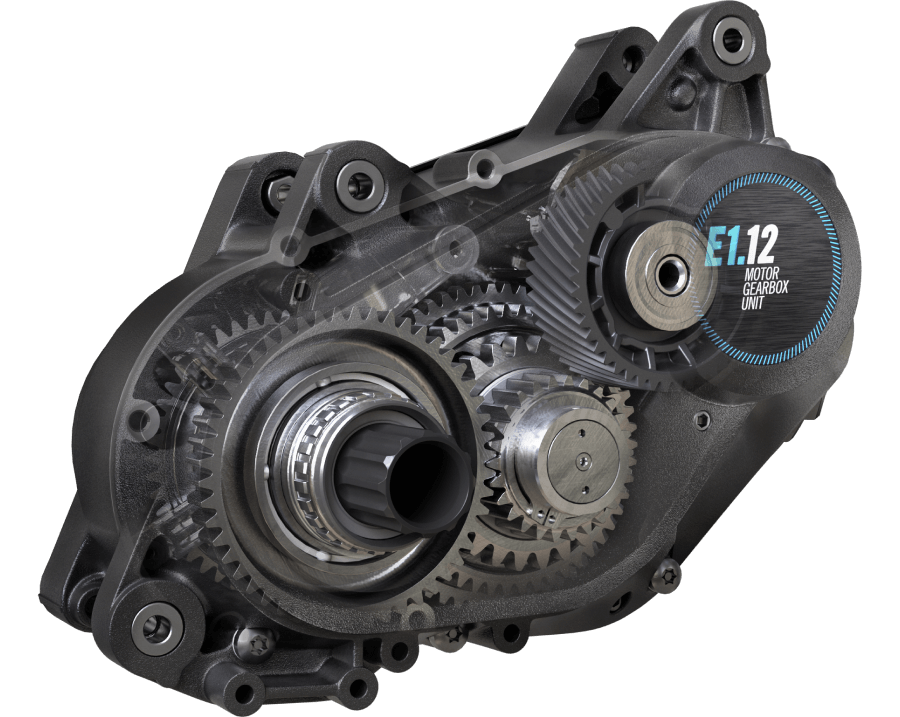
- Positioned near the pedals, they offer better weight distribution.
- Provide high torque, making them ideal for hills and off-road adventures.
- Generally more efficient, as they leverage the bike’s gears.
Hub Motors
- Found in the wheel hub, they are often simpler and less expensive.
- Better for flat terrain and lightweight applications.
- Less efficient on steep climbs due to limited torque.
Choosing the Right E-Bike Motor
When selecting an e-bike motor, consider these factors:
- Terrain: If your route includes hills, prioritize torque over wattage.
- Commute Length: For longer rides, choose motors with high efficiency, even if they’re smaller.
- Purpose: A commuter might prefer a 250W hub motor for lightness and simplicity, while a mountain biker would benefit from a 500W mid-drive motor.
- Budget: Larger motors and mid-drive systems tend to be more expensive.
How Motor Size Impacts E-Bike Efficiency
Efficiency is critical for battery range and overall performance. Smaller motors tend to be more efficient for city commutes, as they require less energy. In contrast, larger motors might drain the battery faster but are better for challenging terrain or heavy loads.
Debunking Common E-Bike Motor Myths
- “Bigger motors are always better.”
Not true! Motor efficiency and torque matter more than size. - “Torque is the same as power.”
Torque relates to climbing ability, while power affects speed and acceleration. - “All e-bikes perform the same on hills.”
The combination of torque, motor placement, and battery quality makes a big difference.
What Motor Size Is Best for City Commuting?
For urban riders, a lightweight setup with a 250W motor and moderate torque (40-50Nm) is typically sufficient. This ensures easy handling, efficient battery use, and adequate performance for flat or slightly hilly terrain.
Final Thoughts
E-bike performance isn’t just about having the biggest motor. Factors like E-bike motor efficiency, torque, and motor placement (mid-drive vs hub) are equally important. Understanding these nuances can help you make an informed decision, ensuring you choose a motor that fits your riding style and needs.
For more insights into E-bike motor performance analysis and recommendations tailored to your lifestyle, feel free to explore our guide on hub drive and mid drive electric bike motors. Your perfect e-bike is waiting for you!
Still unsure which e-bike motor is right for you? Share your riding goals in the comments or reach out for personalized recommendations. Don’t forget to subscribe to our blog for more expert tips and e-bike insights!

Kristina is not just an enthusiast but a true authority on electric bikes. Nestled in the coastal beauty of Virginia, Kristina has found the perfect backdrop for her passion for electric biking. As a dedicated wife and homeschooling mom, her life revolves around family, faith, and the thrill of adventure.
Originally hailing from Ohio, Kristina's journey with electric bikes began as a curiosity and quickly evolved into a deep expertise. Her blog is a testament to her love for electric biking, combining her fascination for eco-friendly transportation with her coastal lifestyle.
When she's not cruising the beach on her electric bike, you'll find Kristina indulging in her other loves: long walks along the shore, getting lost in a good book, and cherishing moments with her loved ones. With a heart as big as her love for animals, especially cats, Kristina brings a unique perspective to the electric bike world, grounded in her strong faith in God and her dedication to a sustainable lifestyle.
Through her blog, Kristina shares her extensive knowledge of electric bikes, offering valuable insights, tips, and recommendations to fellow enthusiasts. Whether you're a seasoned rider or a newcomer to the electric bike scene, Kristina's blog is your go-to source for all things electric biking, fueled by her passion, expertise, and the scenic beauty of coastal Virginia.