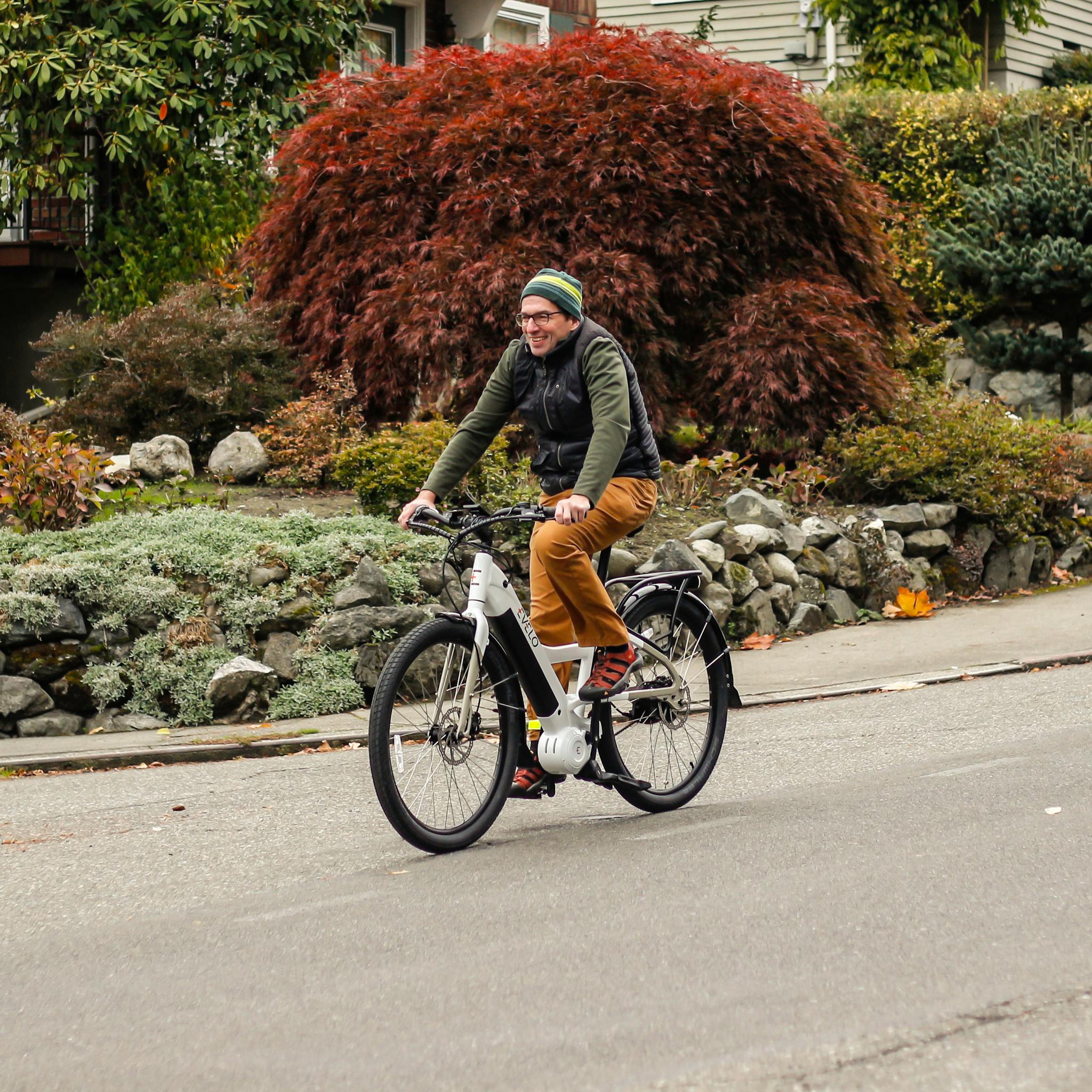
The Impact of Denver’s E-Bike Voucher Program: Success or Hype?
Since 2022, Denver has been pioneering an ambitious program aimed at transforming urban transportation through e-bikes. The city’s decision to subsidize electric bikes represents a high-stakes attempt to reduce traffic, cut pollution, and inspire more residents to adopt greener ways of getting around. But is this big bet paying off?
A New Kind of Transportation Policy
The journey began in April 2022 when Denver launched what has quickly become one of the most talked-about urban transportation programs in the country. The city opened applications for residents to receive rebates on e-bike purchases — $400 for regular e-bikes, and $900 for e-cargo bikes. Low-income residents were eligible for even larger rebates. Expectations were low; officials initially predicted a few hundred applications, but demand exploded, with thousands applying in just two weeks.
Since then, the city has issued close to 15,000 vouchers, amounting to roughly one for every 40 adults in Denver. Interest has stayed high, with new vouchers disappearing almost instantly with each new release.
The Ripple Effect
Denver’s e-bike program didn’t just make waves locally; it became a model that inspired other cities and states. Today, similar programs are cropping up across the U.S., many modeled directly on Denver’s initiative. E-bike rebate programs, advocates argue, are a way for cities to reduce transportation emissions by replacing car trips with healthier, two-wheeled commutes. Major publications, including National Geographic, have called e-bikes “the future of green transportation.”
Critics, however, argue that e-bike incentives may be an overly hyped solution with limited impact on reducing greenhouse gases. They also point out that without high-quality bike lanes, e-bikes alone can’t bring about the kind of transportation overhaul many envision.
From Idea to Reality: Building the Program
The inspiration for Denver’s program began within the city’s Climate Action Task Force. While ideas like expanding transit or adding bike lanes were initially outside the new Office of Climate Action’s scope, e-bike rebates were a feasible starting point.
Program architects like Mike Salisbury sought to make e-bikes affordable and accessible. The rebates were designed to apply at the “point of sale” in local bike shops, encouraging immediate use and ensuring residents had access to maintenance support. This approach was a key part of why e-bike shops quickly embraced the program.
Salisbury recalls that the program’s rapid success led the city to quickly scale up funding. Sales in local bike shops surged, and businesses like eBikes USA saw a marked increase in younger customers using the bikes for daily commutes rather than just recreation.
The Cultural Shift
The rebate program didn’t just help Denverites buy e-bikes; it ignited a cultural shift toward alternative transportation. Jill Locantore, head of the Denver Streets Partnership, notes that the program encouraged residents to think beyond car travel. Yet, a key obstacle remains: Denver’s bike infrastructure, while expanding, has critical gaps that can make e-biking stressful, especially with busy streets lacking designated bike lanes.
Locantore emphasizes that the rebate program has effectively put pressure on the city to ramp up bike lane development. Denver recently announced plans to add 230 miles of bike lanes over the next 20 years, a long-term goal that many residents hope will accelerate.
Economic and Environmental Impact
The economic effects have been significant. Sue Baldwin, who now oversees the program, points out that it has benefited local small businesses and spurred growth in the cycling sector. Denver now has over 30 retailers certified to redeem vouchers, with some previously online-only brands opening local stores to meet the demand.
The environmental benefits, while debated, are also tangible. Surveys indicate that the average e-bike owner in Denver has replaced about 1,200 miles of annual driving with bike travel. Salisbury estimates that over half of voucher recipients wouldn’t have purchased an e-bike without the incentive.
Remaining Challenges and Future Plans
As Denver’s program matures, the city faces some new challenges. Denver’s incentives have also made e-bikes a popular target for thieves, prompting the city to introduce secure bike storage initiatives. Maintenance costs, Baldwin warns, could also become a barrier for lower-income residents, and she is considering ways to provide extended support.
Meanwhile, Colorado as a whole has embraced e-bikes, with cities across the state introducing their own rebate programs. A new statewide initiative allows residents to stack city and state rebates, though in Denver, residents must choose one or the other. For many middle-class residents, the state rebate now offers a better deal, leaving city officials to consider refocusing the local program on lower-income residents.
A Model Worth Following?
Denver’s e-bike rebate program has become a case study in rapid policy innovation, and its lessons are resonating nationally. According to People for Bikes’ VP Ash Lovell, rebates like Denver’s have driven a surge in e-bike sales across the U.S. and sparked momentum that wouldn’t have existed otherwise.
While the long-term impact on emissions and urban traffic patterns remains to be fully seen, the cultural shift is already evident. As Denver and other cities double down on e-bikes and supporting infrastructure, this once-experimental policy might indeed be helping to pedal America toward a greener, more bike-friendly future.
Do you think e-bike rebate programs could transform transportation in your city? Share your thoughts and experiences with us in the comments, and don’t forget to subscribe for more insights into green mobility!
For even more news on electric bikes click here
RELATED CONTENT

Kristina is not just an enthusiast but a true authority on electric bikes. Nestled in the coastal beauty of Virginia, Kristina has found the perfect backdrop for her passion for electric biking. As a dedicated wife and homeschooling mom, her life revolves around family, faith, and the thrill of adventure.
Originally hailing from Ohio, Kristina's journey with electric bikes began as a curiosity and quickly evolved into a deep expertise. Her blog is a testament to her love for electric biking, combining her fascination for eco-friendly transportation with her coastal lifestyle.
When she's not cruising the beach on her electric bike, you'll find Kristina indulging in her other loves: long walks along the shore, getting lost in a good book, and cherishing moments with her loved ones. With a heart as big as her love for animals, especially cats, Kristina brings a unique perspective to the electric bike world, grounded in her strong faith in God and her dedication to a sustainable lifestyle.
Through her blog, Kristina shares her extensive knowledge of electric bikes, offering valuable insights, tips, and recommendations to fellow enthusiasts. Whether you're a seasoned rider or a newcomer to the electric bike scene, Kristina's blog is your go-to source for all things electric biking, fueled by her passion, expertise, and the scenic beauty of coastal Virginia.