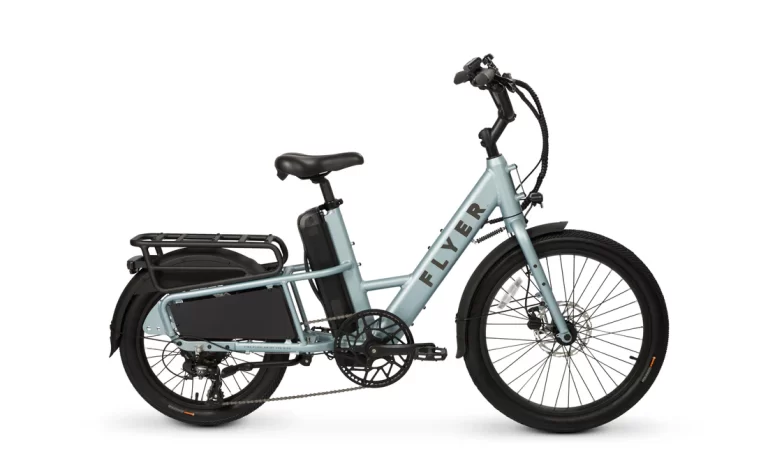
electric bike drivetrain
| |

Chain Drive vs. Belt Drive E-Bikes: Cost, Maintenance, and Which Is Better?

Last Updated on August 31, 2026 by Kristina

Choosing between a chain drive and a belt drive e-bike is really a question about ownership priorities. A chain is cheaper, easier to repair almost anywhere, and available on far more e-bikes. A belt is cleaner, quieter, does not need lubrication, and can reduce routine drivetrain maintenance – but it usually costs more upfront and requires a compatible frame and drivetrain.

If you are shopping specifically for a low-maintenance setup, see my Best Belt Drive E-Bikes guide. If you are still comparing the bigger picture, my E-Bike Buying Guide explains the other features that matter just as much as the drivetrain.

Chain Drive vs. Belt Drive E-Bikes: Quick Decision Guide

QuestionChain DriveBelt Drive
Upfront costUsually lowerUsually higher
Routine cleaningNeeds cleaning and lubricationNo lubrication required
MessCan transfer grease to hands or clothingCleaner in normal use
NoiseCan become noisier when dirty or wornTypically very quiet when correctly set up
Roadside repairParts and repair knowledge are widely availableMore specialized parts and setup
Weather resistanceSteel chains can corrode if neglectedNo chain rust and no lubricant to wash away
Bike selectionVery wideMore limited
Best fitBudget buyers, DIY riders, remote travel, performance-oriented setupsCommuters, year-round riders, clean-bike fans, low-maintenance buyers

Quick answer: A belt drive is worth paying extra for if you value low maintenance, cleanliness, quiet operation, and plan to ride often enough to benefit from those conveniences. A chain usually makes more financial sense for an occasional rider who rides limited miles and does not mind basic cleaning and lubrication.

How Chain and Belt Drives Work

A traditional bicycle drivetrain uses a metal chain to transfer pedal power to the rear wheel. On a geared e-bike, that chain may work with a cassette and derailleur or with an internal gear hub.

A belt drive replaces the metal chain with a toothed belt, commonly reinforced with carbon tensile cords. Belt-drive bicycles generally use an internal gear hub, continuously variable hub, gearbox, or single-speed arrangement because a belt does not shift laterally across a cassette the way a derailleur chain does.

Maintenance: Belt Drive vs. Chain Drive

Chain Drive Maintenance

A chain needs periodic cleaning, lubrication, and wear checks. How often depends on mileage, weather, dirt, motor type, riding style, and how well the drivetrain is maintained. Mid-drive e-bikes can put substantial load through the chain, so good shifting habits and timely wear checks matter.

Do not rely on a universal mileage number for chain replacement. Park Tool recommends measuring actual chain wear and following the drivetrain manufacturer’s wear specification. Replacing a worn chain before it excessively wears the cassette and chainring can reduce longer-term repair costs.

For a step-by-step routine, see my E-Bike Chain Maintenance guide.

Belt Drive Maintenance

Gates Carbon Drive states that its belt systems do not require lubrication and are designed to resist weather and rust concerns associated with a conventional chain. That eliminates two of the messiest recurring chain-maintenance jobs.

Low maintenance does not mean no maintenance. Belt tension, sprocket alignment, frame alignment, and the condition of the belt and sprockets still matter. The internal gear hub or other gearing system paired with the belt can also have its own service schedule.

Belt Drive Durability vs. Chain Durability

Belt drives have strong durability advantages, but I would not use a blanket claim that every belt lasts twice as long as every chain. Real lifespan depends on the exact system, correct tension and alignment, contamination, riding conditions, motor load, rider habits, and maintenance.

Gates describes its carbon-drive belts as long-lasting, weather-resistant, and free from chain-style rust and lubrication requirements. Those characteristics can make a belt particularly attractive for commuters and riders who regularly encounter rain or road grime.

Chains are wear items too, but their condition is easy to measure. A chain wear gauge lets you replace the chain based on actual wear rather than guessing from mileage. That can help protect the more expensive cassette and chainring.

Is a Belt Drive Worth the Extra Cost?

For many frequent commuters, yes. You are paying for less routine drivetrain maintenance, cleaner operation, quiet running, and a system that avoids chain lubrication and chain rust.

But a belt is not automatically the cheapest drivetrain over the life of every e-bike. Belt-drive bikes often cost more to buy, replacement belt and sprocket parts can cost more than common chain components, and many belt systems are paired with an internal gear hub that has its own purchase and service costs.

That means the best question is not simply, “Which drivetrain lasts longer?” It is, “Will I ride enough, and do I value the maintenance savings enough, to justify the higher purchase price?”

Real Ownership-Cost Comparison

Parts prices vary by drivetrain, retailer, gearing, and bike model, so there is no honest single lifetime-cost number that applies to every e-bike. The examples below were checked on August 31, 2026 and are meant to show the scale of common replacement-part costs – not promise what you personally will spend.

Example partPrice checked August 31, 2026What it shows
Shimano CN-LG500 10/11-speed chain$26 at REIA common e-bike-compatible chain can be relatively inexpensive to replace
Shimano STEPS CN-E6090 10-speed e-bike chain$70 at REIPurpose-built e-bike chains can cost considerably more
Shimano LinkGlide CS-LG400 10-speed cassette$80 at REIRunning a worn chain too long can increase drivetrain replacement cost
Gates CDX CenterTrack 120-tooth beltAbout $111 at Universal CyclesA replacement premium belt can cost more than many individual chains
Gates CDX stainless rear cogsFrom about $88 at Universal CyclesBelt-drive sprocket costs also need to be considered

The chain side can accumulate repeated costs from chains, lubricant, cleaning products, and eventually cassettes or chainrings. The belt side may have fewer routine drivetrain tasks, but individual replacement parts can cost more and the internal gearing system may require periodic service.

Labor matters too. A rider who cleans and replaces a chain at home may spend much less than someone who pays a shop for every drivetrain service. Conversely, a rider who dislikes drivetrain maintenance may consider the time and convenience savings of a belt valuable even if the raw parts math does not produce a dramatic dollar savings.

For a personalized estimate, use my True Cost of E-Bike Ownership Calculator and enter the bike price, annual mileage, drivetrain costs, battery costs, service, and other expenses that apply to the model you are considering.

Which Is Better for Someone Who Does Not Ride Much?

For a low-mileage or occasional rider, a chain drive often makes more financial sense. If you ride only on occasional weekends or short recreational trips, you may not wear through chains and cassettes quickly enough for the belt’s reduced maintenance to recover a large upfront price difference.

A belt can still be worthwhile for an occasional rider who strongly values cleanliness, quiet operation, or avoiding chain lubrication. It can also appeal to someone who stores a bike where greasy drivetrain contact would be especially annoying.

So for an occasional rider, I would treat a belt as a convenience upgrade rather than assume it is a money-saving upgrade.

Which Is Better for a High-Mileage Commuter?

A belt drive becomes easier to justify as riding frequency increases. A commuter who rides through rain, road spray, dust, or winter grime may appreciate not having to repeatedly clean and relubricate a chain.

Frequent riders also get more value from a quiet, clean drivetrain because they experience those benefits every day. That does not guarantee the belt will be cheaper over a fixed number of years, but it can make the ownership experience noticeably easier.

Repairability and Parts Availability

Chains have a major advantage in repairability. Bicycle chains, master links, cassettes, derailleurs, and the tools used to service them are widely available. Many bike shops can repair a conventional chain drivetrain without needing brand-specific belt knowledge.

Belt systems are more specialized. You need the correct belt length, compatible sprockets, correct tension, and a frame designed to accept the belt. If you tour far from dealers or frequently do your own roadside repairs, this can matter more than the maintenance advantage.

Can You Convert a Chain E-Bike to a Belt Drive?

Usually not as a simple swap. A continuous belt must pass through the rear triangle of the frame, so most belt-drive bikes use a frame with a designed opening or another belt-compatible frame solution. The sprockets, chainline, tensioning method, and gearing system also need to be compatible.

If belt drive is important to you, it is usually better to buy an e-bike engineered for that system rather than assume a chain-drive bike can be converted later.

What About Efficiency and Performance?

I would not choose between these systems based on a broad claim that chains are always more efficient or belts are always better on hills. Drivetrain efficiency depends on system design, tension, gearing, cleanliness, wear, cadence, and load.

For e-bike buyers, the larger practical differences are usually maintenance, gearing options, repairability, noise, cleanliness, bike selection, and price. Hill performance depends heavily on the motor, gearing range, controller tuning, total bike weight, rider weight, and terrain – not simply whether the final drive is a chain or belt.

Pros and Cons of Chain Drive E-Bikes

Pros

  • Lower upfront cost on many bikes
  • Very wide selection of e-bikes and gearing systems
  • Replacement parts are widely available
  • Easy for many bike shops and experienced riders to service
  • Flexible for derailleur gearing and performance-oriented setups

Cons

  • Needs cleaning and lubrication
  • Can become messy
  • Steel chains can corrode if neglected
  • Chain wear can accelerate cassette and chainring wear if ignored
  • Can become noisy when dirty, dry, misadjusted, or worn

Pros and Cons of Belt Drive E-Bikes

Pros

  • No chain lubrication
  • Clean and quiet in normal use
  • No chain rust
  • Strong fit for commuters and low-maintenance ownership
  • Useful for riders who do not want frequent drivetrain cleaning

Cons

  • Higher purchase price on many e-bikes
  • Replacement belt and sprocket parts can be more expensive than common chain parts
  • Requires compatible frame and drivetrain design
  • Fewer bike choices
  • Specialized parts may be harder to find during remote travel

Which Drivetrain Should You Choose?

Choose a chain drive if: your budget matters most, you ride only occasionally, you want the widest possible bike selection, you value easy field repairs, or you do not mind routine drivetrain maintenance.

Choose a belt drive if: you commute frequently, ride in varied weather, want a cleaner and quieter bike, dislike chain lubrication, or place a high value on reducing routine drivetrain work.

If you decide a belt is the better fit, compare current models in my Best Belt Drive E-Bikes guide rather than relying on an older static list of models that may change over time.

My Take

For most occasional riders, I would not pay a large premium for a belt drive solely because someone says it will save money. A well-maintained chain is affordable, repairable, and perfectly practical when annual mileage is low.

For a frequent commuter, especially someone who rides in rain or simply hates drivetrain cleaning, a belt can be worth the extra cost even when the dollar savings are hard to prove in advance. The strongest argument for belt drive is not a universal lifespan number. It is the combination of cleaner operation, no lubrication, quiet running, and lower routine maintenance.

Sources

+ posts

Kristina is not just an enthusiast but a true authority on electric bikes. Nestled in the coastal beauty of Virginia, Kristina has found the perfect backdrop for her passion for electric biking. As a dedicated wife and homeschooling mom, her life revolves around family, faith, and the thrill of adventure.

Originally hailing from Ohio, Kristina's journey with electric bikes began as a curiosity and quickly evolved into a deep expertise. Her blog is a testament to her love for electric biking, combining her fascination for eco-friendly transportation with her coastal lifestyle.

When she's not cruising the beach on her electric bike, you'll find Kristina indulging in her other loves: long walks along the shore, getting lost in a good book, and cherishing moments with her loved ones. With a heart as big as her love for animals, especially cats, Kristina brings a unique perspective to the electric bike world, grounded in her strong faith in God and her dedication to a sustainable lifestyle.

Through her blog, Kristina shares her extensive knowledge of electric bikes, offering valuable insights, tips, and recommendations to fellow enthusiasts. Whether you're a seasoned rider or a newcomer to the electric bike scene, Kristina's blog is your go-to source for all things electric biking, fueled by her passion, expertise, and the scenic beauty of coastal Virginia.

Read Next

Leave a Reply

Your email address will not be published. Required fields are marked *