EU Seizes Thousands of Undervalued E-Bikes in €250M Customs Fraud Case
The European Public Prosecutor’s Office (EPPO) has made a big bust. They seized 2,435 shipping containers worth around €250 million in Greece. Many of them held e-bikes and e-scooters.
What Happened
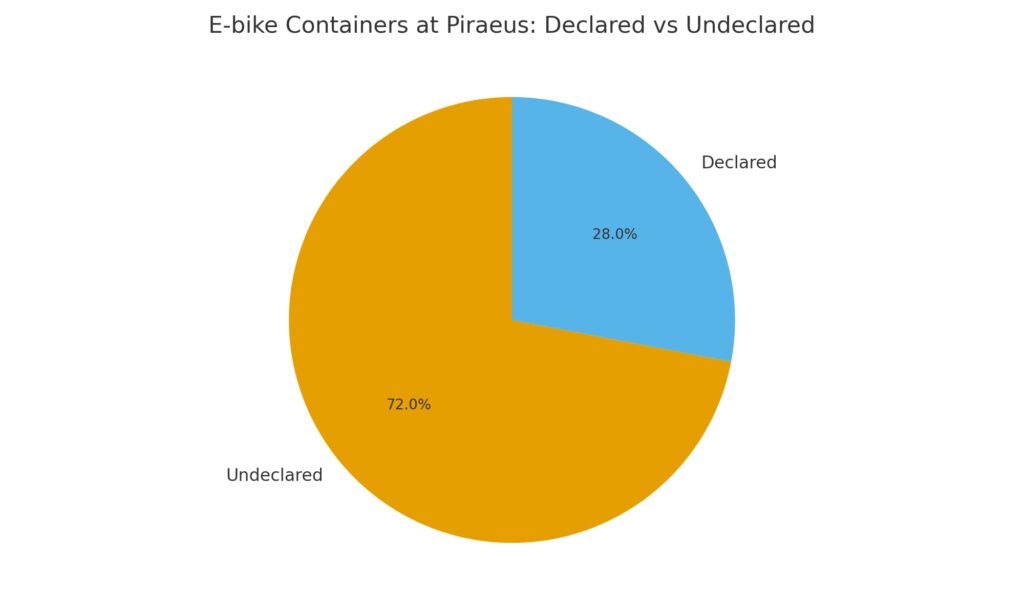
- In June, 500 containers were loaded with e-bikes. Out of those, 360 were not declared to customs.
- Inspectors found 7,133 e-bikes and 3,696 e-scooters in total.
- Only 10-15% of the real number of e-bikes in a container were officially declared.
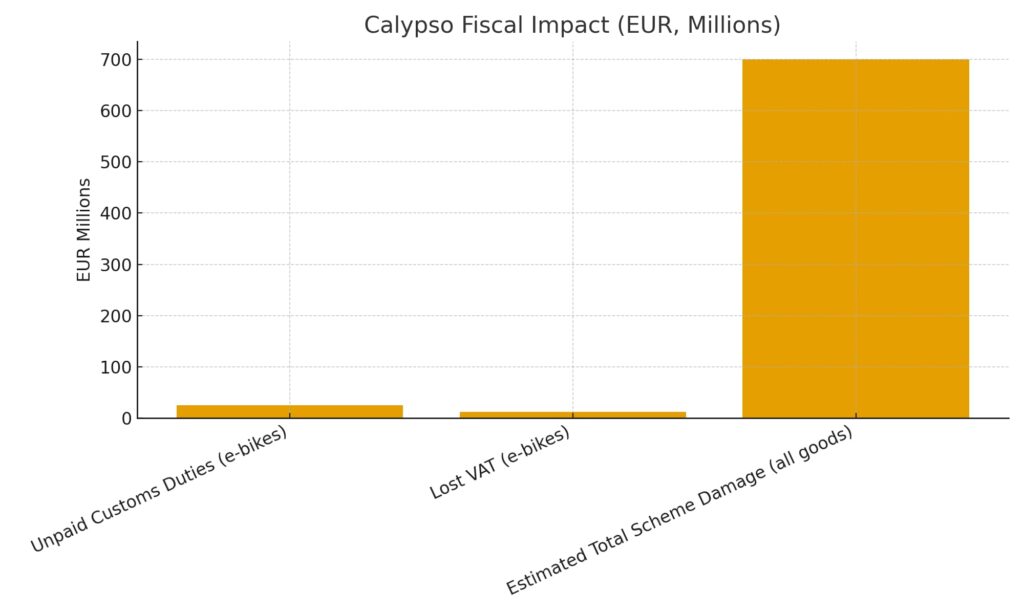
- Because of under-declaration and undervaluing, the EU budget lost lots of money: about €25 million in unpaid customs duties and €12.5 million in lost VAT just for the e-bikes.
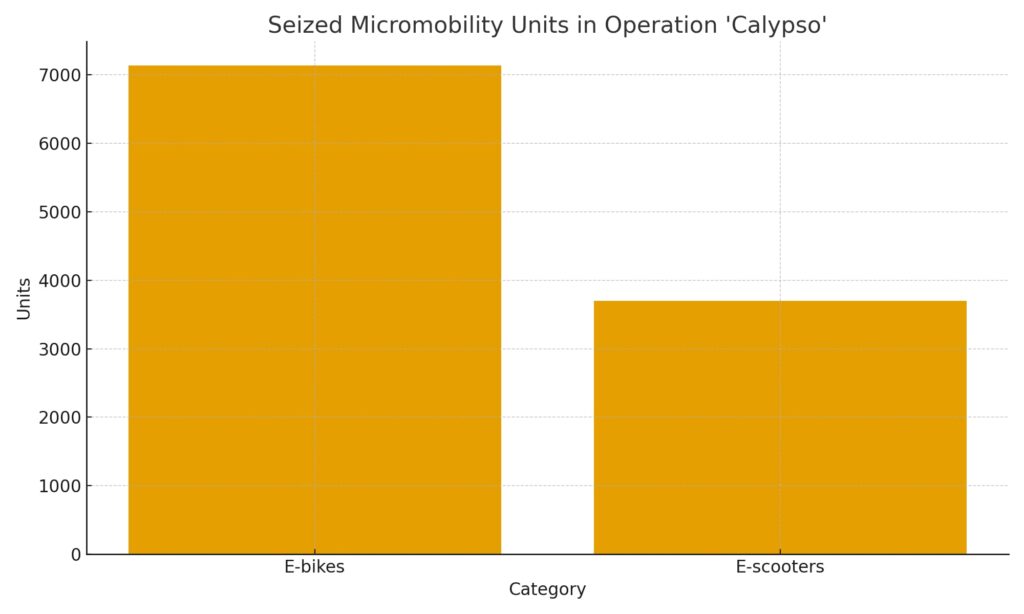
more than 7,000 e-bikes and nearly 3,700 e-scooters were secured.
Who’s Involved & What Charges
- EPPO has charged six people, including two customs officers. Also, four customs brokers are involved.
- Charges include false certification, customs fraud, and causing damage to the EU budget.
Bigger Picture & Related Findings
- This is part of an EU-wide probe called Operation “Calypso”. It covers 14 countries.
- Authorities believe the fraud scheme ran for at least eight years. Cumulative damage is huge—hundreds of millions of euros in duties and VAT.
- Since the seizure, there are signs businesses are behaving more honestly in customs declarations at Piraeus. Import values more often match actual contents.
Why It Matters to Others
- This case shows how importing e-bikes (and similar goods) cheaply by cheating can hurt honest companies. Retailers and distributors outside of the EU (including in the U.S.) are warned.
- In the U.S., a Trade Fraud Task Force has been set up to crack down on tariff evasion, misclassification, undervaluing, and other customs fraud.
- Experts say the penalties for fraud include huge fines, back payments (for duties and taxes), and possible criminal prosecution.
Final Thoughts
Operation Calypso is one of the largest customs fraud cases in Europe in recent years — and it shows how global the e-bike trade has become. With thousands of e-bikes seized and millions in lost duties, the case is a reminder that enforcement is tightening, and the consequences for fraud are severe.
As the e-bike market keeps growing worldwide, rules around imports and trade will play a huge role in shaping how businesses — and riders — move forward.
? What do you think? Should authorities crack down harder, or is there a better way to regulate the e-bike market?
? Share your thoughts in the comments below.
If you found this post useful, share it with friends or colleagues who follow the e-bike industry.
For more news on electric bikes click here
You May Also Like

Kristina is not just an enthusiast but a true authority on electric bikes. Nestled in the coastal beauty of Virginia, Kristina has found the perfect backdrop for her passion for electric biking. As a dedicated wife and homeschooling mom, her life revolves around family, faith, and the thrill of adventure.
Originally hailing from Ohio, Kristina's journey with electric bikes began as a curiosity and quickly evolved into a deep expertise. Her blog is a testament to her love for electric biking, combining her fascination for eco-friendly transportation with her coastal lifestyle.
When she's not cruising the beach on her electric bike, you'll find Kristina indulging in her other loves: long walks along the shore, getting lost in a good book, and cherishing moments with her loved ones. With a heart as big as her love for animals, especially cats, Kristina brings a unique perspective to the electric bike world, grounded in her strong faith in God and her dedication to a sustainable lifestyle.
Through her blog, Kristina shares her extensive knowledge of electric bikes, offering valuable insights, tips, and recommendations to fellow enthusiasts. Whether you're a seasoned rider or a newcomer to the electric bike scene, Kristina's blog is your go-to source for all things electric biking, fueled by her passion, expertise, and the scenic beauty of coastal Virginia.