Can Humidity Damage an E-Bike?
Last Updated on June 1, 2026 by Kristina
Last updated: May 2026
If you ride in humid summer weather, near the beach, or store your e-bike in a garage or shed, you may wonder whether moisture in the air can slowly damage your bike.
The good news is that humidity alone usually does not instantly damage an e-bike. However, long-term exposure to high humidity can contribute to corrosion, condensation, rust, and wear around electrical and metal components over time. Salt air and poor storage habits can make those risks worse.
If you are new to batteries and e-bike components, check out the E-Bike Buying Guide and E-Bike Battery Guide first.
What Riders Need to Know
Humidity alone usually does not damage an e-bike immediately, but long-term exposure can contribute to corrosion, connector issues, rust, and wear on electrical components. Storage habits often matter more than occasional humid rides.
Who This Guide Is For (and Who It’s Not)
Great for:
- Daily commuters
- Coastal riders
- Riders storing bikes in garages
- Riders in humid climates
- Owners concerned about battery lifespan
This may not be for you if:
- You only want information about riding in heavy rain
- You need waterproof accessory recommendations
How We Evaluated Humidity Risks for E-Bikes
This guide was created using a research-based approach rather than direct environmental testing.
We considered:
• Manufacturer recommendations for battery and component care
• Bicycle maintenance guidance
• Known electrical corrosion behavior
• Lithium battery environmental guidance
• Real-world rider ownership experiences
• Humidity and moisture effects on electrical connections and batteries
Humidity effects can vary depending on:
• Battery sealing design
• Connector quality
• IP rating
• Storage conditions
• Riding environment
• Salt-air exposure
Quick Humidity Risk Chart
| Environment | Risk Level |
|---|---|
| Climate-controlled indoor storage | Low |
| Typical summer riding | Low |
| Garage storage | Moderate |
| Coastal salt-air riding | Moderate to High |
| Outdoor uncovered storage | High |
| Damp shed or basement | High |
Can Humidity Actually Damage an E-Bike?
Humidity itself is usually more of a slow wear issue than an immediate failure issue.
Over time, humidity can contribute to:
| Potential Issue | Why It Happens |
|---|---|
| Connector corrosion | Moisture exposure over time |
| Rust formation | Increased oxidation |
| Display fogging | Moisture enters small gaps |
| Bearing contamination | Moisture affects lubrication |
| Battery contact corrosion | Moisture and contaminants accumulate |
| Electrical problems | Corrosion increases resistance |
Think of humidity like this:
Riding one humid day usually does little.
Leaving your bike sitting in damp conditions for months is a different story.
Humidity vs Rain vs Heat
Many riders mix these together.
| Condition | Main Risk |
|---|---|
| Humidity | Slow corrosion over time |
| Rain | Water entering components |
| Heat | Faster battery aging |
| Salt air | Accelerated corrosion |
Humidity itself often is not the largest problem.
Long-term heat combined with moisture and poor storage conditions generally creates bigger risks.
Heat generally creates a larger concern for lithium battery aging than occasional humid riding conditions. Battery degradation research has shown that temperature is one of the factors that can influence long-term capacity loss and aging.
Real Riding Situations
Daily commuter during summer
Risk level: Low
Main concern:
• Sweat and moisture around controls and battery connections
Recommended action:
• Wipe down bike after riding
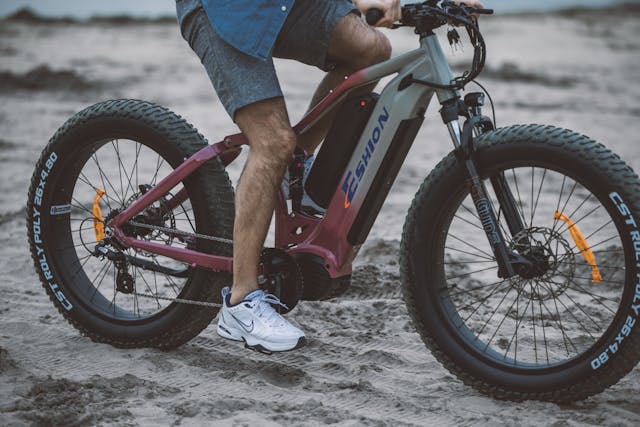
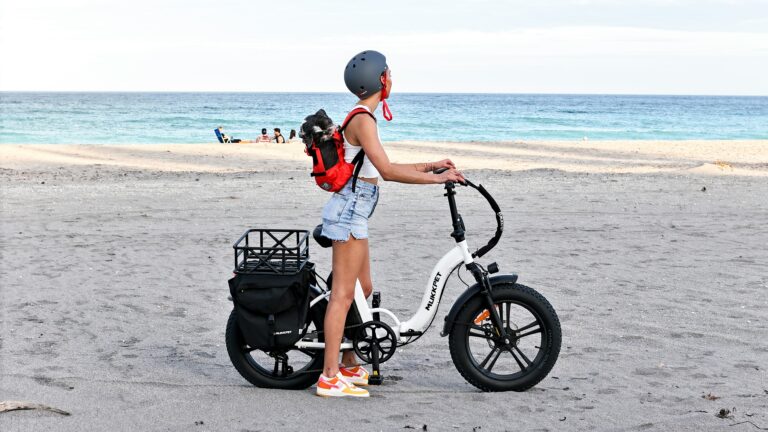
Beach or coastal rider
Risk level: Moderate to High
Main concern:
• Salt exposure speeding up corrosion
Recommended action:
• Wipe down bike after rides
• Clean drivetrain more frequently
• Inspect electrical connections periodically
Coastal environments can be harder on e-bikes because airborne sea salt attracts moisture and creates conditions that accelerate corrosion on exposed metal surfaces and electrical components.
Bike stored in a garage year-round
Risk level: Moderate
Main concern:
• Long-term moisture buildup
Recommended action:
• Improve airflow
• Consider a dehumidifier if needed
Parts of an E-Bike Most Vulnerable to Humidity
Battery Connections
Battery packs are generally sealed, but electrical contacts remain vulnerable over time.
Watch for:
• Charging issues
• Intermittent power loss
• Visible residue around contacts
Battery packs are usually designed with protective housings and seals, but moisture, debris, and environmental exposure over time can still affect exposed connection points and contacts. Source: CPSC
Display Screens
Displays can occasionally develop:
• Fogging
• Internal condensation
• Moisture behind screens
Temporary fogging may clear itself.
Persistent moisture could eventually require replacement.
Chain and Drivetrain Components
Humidity affects regular bicycles too.
Possible symptoms:
• Surface rust
• Squeaking
• Faster lubrication breakdown
Bearings
Moisture contamination may eventually affect:
• Wheel bearings
• Bottom bracket bearings
• Rotational smoothness
Condensation Can Sometimes Be Worse Than Humidity
Humidity itself is not always the biggest concern.
Condensation can happen when a bike moves from a cold environment into warm humid air.
Example:
Cold garage → warm summer weather
Moisture can briefly form on components and electronics similar to eyeglasses fogging up. Condensation can create additional risks for electronics and connectors.
What Should You Check First?
| Check | What to Look For | Next Step |
|---|---|---|
| Where is the bike stored? | Outdoors, damp garage, shed | Move to a dry location if possible |
| Any visible corrosion? | White, green, or rusty residue on connectors or metal parts | Clean and inspect affected areas |
| Battery contacts look clean? | Dirt, moisture, discoloration | Dry and clean contacts carefully |
| Display acting strange? | Fogging, flickering, moisture behind screen | Monitor for repeated issues |
| Normal riding conditions? | Indoor storage with no visible problems | Risk is generally low |
Quick takeaway: If your bike is stored indoors, looks clean, and rides normally, humidity alone is usually a low concern. Problems are more likely when moisture exposure combines with poor storage conditions over time.
Humidity Prevention Checklist
After humid rides
- Wipe down the bike
- Dry battery contact areas
- Dry around display and controls
- Check charging port cover
- Lubricate chain regularly
Storage tips
Best storage conditions:
• Dry indoor room
• Climate-controlled garage if possible
• Avoid damp basements
• Avoid leaving bike outdoors for long periods
If using a garage:
• Avoid placing bike directly against damp walls
• Consider a small dehumidifier in very humid regions
Consumer battery safety guidance recommends following manufacturer charging and storage recommendations and using approved batteries and chargers.
FAQs
Yes. High humidity alone normally does not stop you from riding.
Long-term storage conditions matter more.
Yes.
Salt exposure often speeds up corrosion much faster than humidity alone.
Not usually in the short term, but repeated exposure and poor storage conditions may contribute to connector and contact issues over time.
A dry garage is generally fine.
A damp garage with poor airflow can create long-term moisture problems.
A garage is usually fine if it stays reasonably dry and ventilated, but excessive heat combined with humidity may create more stress on batteries and components over time. If possible, store your battery in a cooler indoor location during extreme temperatures.
Humidity itself usually does not directly create error codes, but moisture or corrosion around connectors and electrical contacts may sometimes contribute to communication issues or intermittent electrical problems.
Normal humidity levels usually do not affect charging. Problems are more likely if moisture reaches charging ports or battery contacts, which is why connections should stay clean and dry.
Humidity alone generally does not noticeably reduce battery range. Temperature tends to have a larger effect on battery performance than humidity.
Yes. A breathable bike cover can help protect against moisture, dust, and direct weather exposure. Avoid completely sealing the bike with non-breathable materials because trapped moisture can sometimes create condensation.
If you store your bike in a damp garage, basement, or shed, a dehumidifier may help reduce long-term moisture exposure and slow corrosion on metal and electrical components.
Modern e-bike motors are designed with protective seals, but long-term exposure to moisture and contaminants could potentially contribute to wear over time, especially if water repeatedly enters damaged seals.
Morning dew usually is not a major problem. Wiping the bike dry and avoiding long-term outdoor storage helps prevent moisture buildup.
Final Thoughts
Humidity usually is not an e-bike killer.
For most riders, occasional humid rides are completely normal and should not cause problems. The larger concern is repeated exposure combined with poor storage conditions, salt air, and moisture buildup over time.
A few simple habits such as drying your bike, inspecting connections occasionally, and storing it in a dry environment can prevent most issues before they start.
→ Want to protect your battery and keep your bike running longer? Check out the E-Bike Battery Guide and Electric Bike Maintenance Guide next.
Not sure where to go next?
Some riders are brand new. Others are fixing a problem or thinking about a new bike. Choose what fits you.
Learn & Get Comfortable
Understand how e-bikes work and what to expect when riding.
Improve Your Current Ride
If your bike isn’t performing how you want, learn what affects speed, range, and power.
Compare Better Bikes
Looking for something that fits your riding style? Start here.
- Best Electric Bikes for Beginners
- Recommended Commuter Ebikes
- Most Comfortable City E-Bikes
- Best Fat Tire Ebikes
- Top Folding Ebikes
- Best Step Through Ebikes
- Top Cargo Electric Bikes
- Best Lightweight Ebikes
- Best Long Range Ebikes
- Top Moped Style E-Bikes
- E-bike Reviews
🛒 Ready to Buy?
Top picks and current availability from trusted brands.
👉 Still deciding?
Take our E-Bike Recommendation Quiz to get matched with the right riding style in under two minute
External Sources
• U.S. Consumer Product Safety Commission – Micromobility Battery Charging Safety Guidance
• U.S. Consumer Product Safety Commission – Battery Safety Resources
• Lithium-Ion Battery Degradation Research Review
• Marine Atmospheric Corrosion Research (NIH / PubMed Central)
• Atmospheric Corrosion Research in Humid Environments
• BRANZ Coastal Corrosion Overview

Kristina is not just an enthusiast but a true authority on electric bikes. Nestled in the coastal beauty of Virginia, Kristina has found the perfect backdrop for her passion for electric biking. As a dedicated wife and homeschooling mom, her life revolves around family, faith, and the thrill of adventure.
Originally hailing from Ohio, Kristina's journey with electric bikes began as a curiosity and quickly evolved into a deep expertise. Her blog is a testament to her love for electric biking, combining her fascination for eco-friendly transportation with her coastal lifestyle.
When she's not cruising the beach on her electric bike, you'll find Kristina indulging in her other loves: long walks along the shore, getting lost in a good book, and cherishing moments with her loved ones. With a heart as big as her love for animals, especially cats, Kristina brings a unique perspective to the electric bike world, grounded in her strong faith in God and her dedication to a sustainable lifestyle.
Through her blog, Kristina shares her extensive knowledge of electric bikes, offering valuable insights, tips, and recommendations to fellow enthusiasts. Whether you're a seasoned rider or a newcomer to the electric bike scene, Kristina's blog is your go-to source for all things electric biking, fueled by her passion, expertise, and the scenic beauty of coastal Virginia.